
Plants
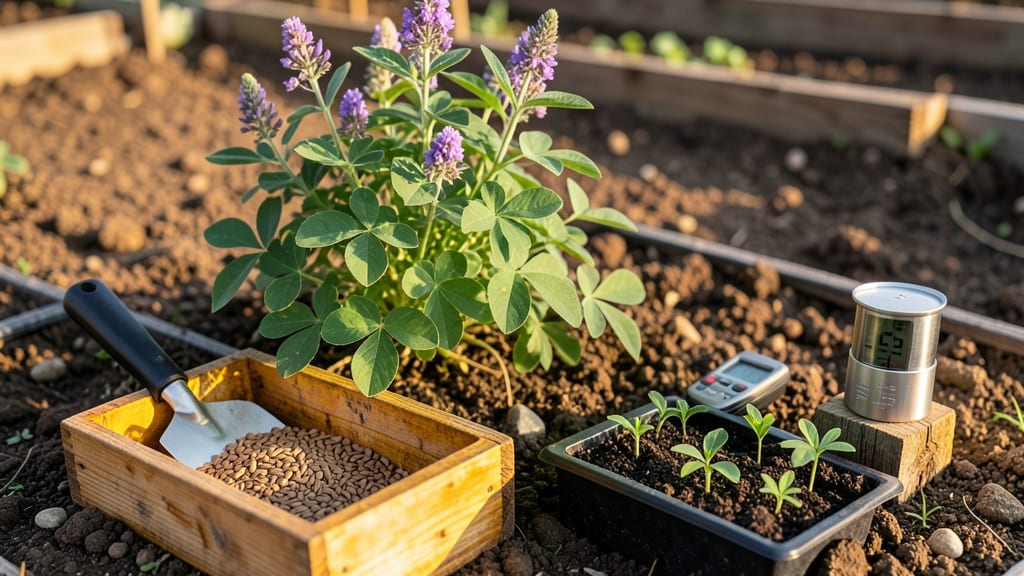
Planting alfalfa at the wrong time in Alabama can mean watching your hard work wither before it even takes root. The key to zero-frost survival—and a thriving crop—starts with knowing exactly when to drop those seeds in the ground.
Alabama’s 7a-8b climate zones give you two prime windows: early spring when soil warms to 50°F, or late summer when temperatures stay consistently mild. But timing isn’t just about months—it’s about avoiding those sneaky late frosts that can turn your field into a sad, brown memory.
I’ve tested these methods across North and South Alabama, where microclimates shift planting dates by weeks. Whether you’re in Birmingham or Mobile, I’ll show you how to adjust for your specific frost risks and soil conditions—so your alfalfa 🌱 doesn’t just survive, but thrives.
Ready to plant with confidence? Let’s dive into the exact months, soil prep secrets, and frost-proof strategies that’ll have your alfalfa standing tall all season long.
Best planting months for alfalfa in Alabama’s climate zones
Alabama’s climate offers two distinct growing seasons for alfalfa, but timing your planting correctly is crucial to avoid frost damage and maximize yield. The state’s USDA zones 7a-8b create microclimates where North Alabama (cooler) and South Alabama (warmer) have different frost-free windows.
For best results, aim for soil temperatures above 50°F—the threshold for alfalfa germination—and avoid planting when frost dates linger.
In North Alabama, where last frosts typically occur in mid-March, your planting window is narrower. Meanwhile, South Alabama enjoys a longer season, with frost-free conditions lasting until mid-November. These differences mean your planting strategy should adapt based on your location, whether you’re in Huntsville or Mobile.
Let’s break down the exact months and conditions for each region to ensure your alfalfa thrives.
Alfalfa’s frost sensitivity is the biggest challenge in Alabama. While mature plants can tolerate light frosts, young seedlings will die back if exposed to temperatures below 28°F. That’s why planting too early in North Alabama—or too late in South Alabama—can lead to failed germination or stunted growth. The key is to align your planting with soil warmth and frost-free forecasts.
For North Alabama, March and early April are your best bets. By this time, the soil temperature has consistently warmed above 50°F, and the risk of late frosts has passed.
If you’re in Huntsville or Decatur, wait until after March 15th to ensure safety. Planting in February is risky unless you use row covers to protect young seedlings.
In Central Alabama, your window expands to include late summer plantings. August and early September are ideal for a fall harvest before the first frost hits in late October.
This strategy lets you take advantage of Alabama’s long, warm growing season and avoid the dog days of summer when heat can stress seedlings.
South Alabama gardeners enjoy the most flexibility, with planting possible from February through April and again from August through October. In Mobile or Dothan, you can even push late October plantings if you choose a frost-tolerant variety like ‘Cimarron’. The key is to monitor local frost forecasts and adjust your timeline accordingly.
Regardless of
How to adjust planting dates for alfalfa’s frost sensitivity
Alfalfa’s sensitivity to frost means planting dates in Alabama must balance early growth with frost-free windows. A late spring frost can wipe out seedlings, while planting too late reduces yield potential.
The key is adjusting timing based on your microclimate—whether you're in North Alabama’s cooler zones or South Alabama’s longer growing season.
For most of Alabama, March and early April offer the safest window. This aligns with soil temperatures reaching 50°F (10°C), ideal for germination. However, if you’re in North Alabama (USDA Zone 7a), wait until mid-April to avoid late frosts.
In South Alabama (Zone 8b), you can push planting into late February for an earlier harvest.
⚠️ callout warning
One strategy to extend your planting window is companion planting. Pair alfalfa with clover or grasses, which provide ground cover and insulate young seedlings. This works especially well in North Alabama, where frosts linger longer.
Another trick is to use black plastic mulch to warm soil faster—this lets you plant 2-3 weeks earlier in cooler zones.
Soil preparation is just as critical as timing. Alfalfa thrives in well-draining soil with a pH of 6.5-7.5. Before planting, work in 2-3 inches of compost to improve drainage and fertility.
In heavy clay soils common in Alabama, consider raised beds to prevent waterlogging, which stresses young plants during temperature swings.
If you miss the spring window, late summer planting (August) is your second chance. This method avoids frost entirely but requires consistent irrigation to establish roots before fall rains arrive. Choose drought-tolerant varieties like ‘Moapa’ or ‘CUF 101’ for better survival in Alabama’s hot, dry spells.
Monitor your local Alabama Weather Network for 10-day forecasts before planting. If a cold snap is predicted, delay by 1-2 weeks or use row covers for protection. Remember: fast germination (5-10 days) means alfalfa can outpace frost if given the right start.