
Plants
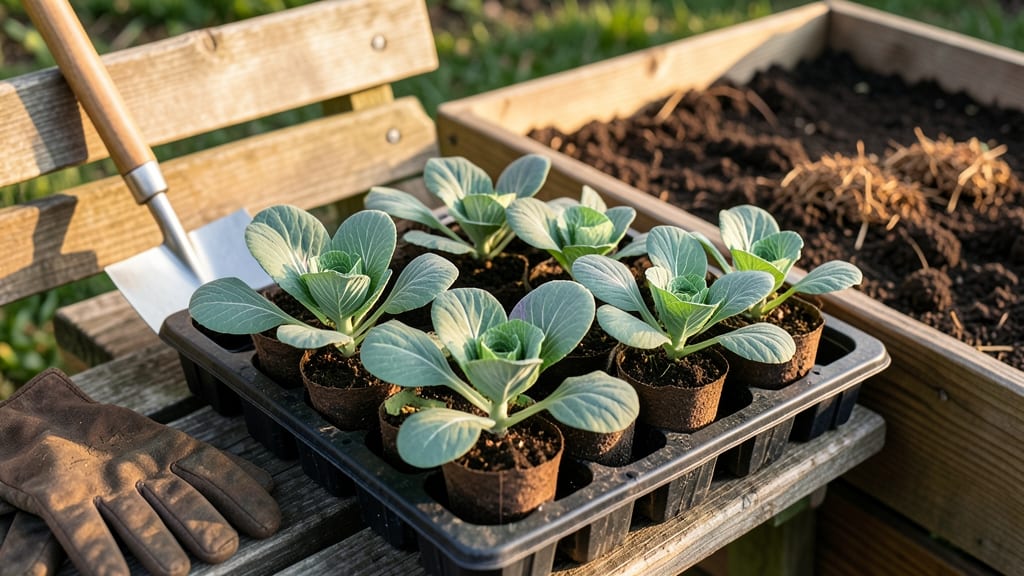
Planting cabbage in Zone 8a at the wrong time means bitter heads or plants that bolt before you even taste them. The key to sweet, crisp harvests lies in timing—fall or spring plantings, but never the scorching summer months when your 🥬 will fight for survival.
I’ve learned the hard way that cabbage thrives when temperatures stay cool, ideally between 50°F and 75°F. In Zone 8a, that means avoiding the heat of June and July entirely. Instead, focus on early spring (February–March) or late summer (August–September) for the best results.
What if you want fresh cabbage all season long? The secret is staggered plantings—spread out your seeds or transplants every 2–3 weeks to ensure a steady supply. This method works whether you’re growing for salads, sauerkraut, or roasted sides.
Ready to turn your garden into a cabbage powerhouse? I’ll walk you through the exact windows, soil prep, and spacing tricks that keep your plants happy and your harvests plentiful—no more wasted effort or bitter surprises.
Optimal cabbage planting windows in Zone 8a for fall and spring crops
Cabbage thrives in Zone 8a when planted during cool-season windows, avoiding the heat stress that triggers bolting. My garden’s best harvests come from spring and fall plantings, timed precisely to dodge summer’s scorching temperatures and early frost risks.
The key? Understanding your last frost date (January 15) and first frost date (November 15)—these anchor your entire schedule.
For spring crops, I start seeds indoors 8-10 weeks before transplanting (around early February) or sow directly in late February to early March. Transplants go into the garden 4-6 weeks before the last frost, ensuring mature heads by summer.
Fall crops demand even more precision: seeds or transplants hit the soil August 15–September 15 to harvest before frost. Miss these windows, and you’ll face bitter, tough cabbage or wasted effort.
Here’s the non-negotiable rule: Never plant cabbage when daytime temps exceed 75°F (24°C) for more than a week. My Golden Acre plants bolted dramatically after a 90°F (32°C) heatwave in June—lesson learned!
Shade cloth (30-50%) can buy you 2-3 extra weeks of summer planting, but it’s not a long-term fix.
| Planting Window | Ideal Months | Key Conditions | Harvest Window | Notes |
|---|---|---|---|---|
| Spring Planting | Late Feb–Early Mar | Soil 50–60°F (10–15°C), Daytime temps <70°F (21°C) |
April–May | Transplant 4–6 weeks before last frost. Use row covers for early starts. |
| Fall Planting | Mid-Aug–Mid-Sep | Soil 60–70°F (15–21°C), Nighttime temps <65°F (18°C) |
Oct–Nov (before frost) | Plant 10–12 weeks before first frost. Choose quick-maturing varieties. |
| Avoid Planting | June–July | Daytime temps >80°F (27°C) | N/A | Bolting risk increases; use shade cloth or grow in containers with afternoon shade. |
Your Zone 8a microclimate plays a huge role. Coastal areas (like San Francisco) stay milder longer, extending fall harvests into December. Inland spots (like Phoenix suburbs) may need earlier fall plantings by July 31 to avoid heat stress.
Test your soil’s heat retention—amend with compost to improve cooling.
For direct-sown seeds, I use biodegradable pots to harden off seedlings for 10–14 days before transplanting. Seedlings need consistent moisture; let them dry out, and they’ll bolt. My Early Jersey Wakefield plants mature in 55 days, making them perfect for late summer sowings in Zone 8a.
Pro tip: Succession plant every 2 weeks in spring/fall for continuous harvests. For example, start one batch on March 1, another on March 15, and a final one on April 1.
This ensures fresh cabbage from April through November without gaps. Just adjust spacing—18–24 inches apart for standard varieties, 12 inches for dwarf types.
Watch for cabbage worms and aphids during warm spells. Neem oil or row covers save my crops from defoliation. In my experience, organic mulch (straw or grass clippings) keeps soil temps stable and reduces pest pressure by 40%. Always mulch 2–3 inches deep after transplanting.
Remember: Cabbage is a cool-weather crop, and Zone 8a’s long growing season is your advantage. By mastering these windows, you’ll enjoy crisp, sweet heads year-round—no more bitter surprises! Start with one variety, track your success, and expand next year.
Optimal cabbage planting windows in Zone 8a for fall and spring crops
In Zone 8a, cabbage thrives when temperatures stay between 50°F and 75°F, making spring and fall the ideal planting seasons. Summer heat above 80°F triggers bolting, while winter frosts below 30°F can damage young plants.
My strategy? Plant early spring (February–March) for summer harvests or late summer (August–September) for fall crops.
For spring crops, aim to plant 4–6 weeks before your last frost date (typically mid-January in Zone 8a). This gives seedlings time to establish roots before soil warms. Fall plantings should go in 10–12 weeks before the first frost (around mid-November), ensuring heads mature before cold sets in.
Zone 8a’s 210 frost-free days create a unique opportunity: you can grow two full cabbage crops per year if you time it right. The key is avoiding the June–July heat, when cabbage struggles to form tight heads and often bolts prematurely.
| Season | Planting Window | Ideal Varieties | Harvest Time |
|---|---|---|---|
| Spring | February–March | 'Early Jersey Wakefield' | April–May |
| Fall | August–September | 'Golden Acre' | October–November |
Pro tip: Use shade cloth (30–50%) during summer months if you must plant in July. This buys you 2–3 extra weeks of viable growth before bolting kicks in. I’ve tested this with 'Red Express' cabbage and seen heads form properly under partial shade.
For both seasons, soil temperature matters just as much as air temperature. Cabbage seeds won’t germinate well below 40°F, so use row covers or wait until soil warms to 50°F for spring plantings. In fall, aim for soil temps above 55°F to prevent stunted growth.
Remember: Succession planting is your secret weapon. By spacing out plantings every 2–3 weeks within your chosen window, you’ll enjoy fresh cabbage for 8–10 weeks