
Plants
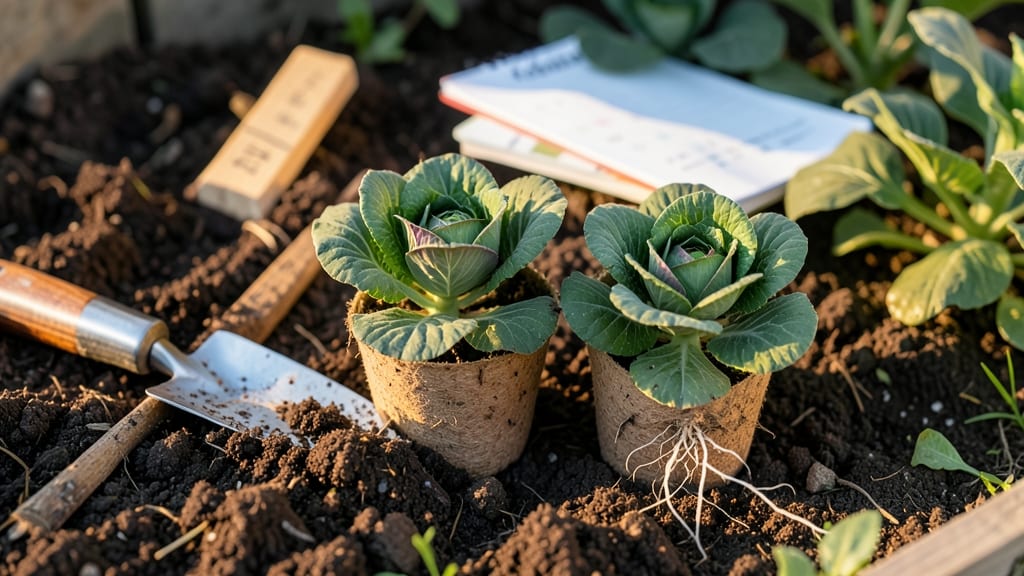
Planting cabbage in Indiana at the wrong time means watching your 🥬 heads turn bitter or bolt before harvest—don’t let that happen to you.
The key to crisp, sweet cabbage lies in understanding Indiana’s 5 microclimates and their frost patterns, which can shift planting windows by weeks depending on where you live.
Most gardeners in Zone 6a know the basics—start seeds indoors in March or transplant seedlings after April 15—but what if your yard sits in a cooler pocket near Lake Michigan?
Or if you’re in southern Indiana with earlier springs? I’ll break down the exact dates for your area, plus how to adjust for late springs or early frosts.
You’ll also discover why late summer planting (July-August) works for fall harvests, and which varieties handle Indiana’s heat best. Whether you’re a first-timer or a veteran gardener, these insights will help you avoid common mistakes and grow cabbage that’s ready to pick by May or October.
Let’s get your planting schedule locked in so you can enjoy homegrown 🥬 all season long—without the stress of bolting or frost damage.
Indiana cabbage planting dates by microclimate Zone (with frost risk charts)
Indiana’s USDA zones 5a through 7a create distinct cabbage planting windows, but getting the timing right means the difference between crisp, sweet heads and bitter, bolted disappointment.
The key is planting 4-6 weeks before your last spring frost or 10-12 weeks before your first fall frost—but Indiana’s unpredictable spring weather requires flexibility. Let’s break down the exact dates for each microclimate, including how to adjust for early or late frosts.
Northern Indiana (Zones 5a/5b, like Fort Wayne or Gary) has the shortest growing season, while southern Indiana (Zone 7a, like Evansville) enjoys an extra 2-3 weeks of warmth.
Even within these zones, elevation and lake effects (like near Lake Michigan) can shift frost dates by 7-10 days. Use these guidelines as a starting point, then monitor your local frost risk charts from the National Weather Service or Purdue Extension.
For spring planting, aim to transplant seedlings 2-3 weeks before your last frost date. In most of Indiana, this means mid-to-late March for Zone 5 and early April for Zone 7.
If you’re starting seeds indoors, begin 6-8 weeks before transplanting—so early February for Zone 5 and late January for Zone 7. For fall cabbage, transplant 10-12 weeks before your first frost, typically mid-July for Zone 5 and late July for Zone 7.
Here’s how Indiana’s five microclimates compare for cabbage planting, including last frost dates, ideal transplant windows, and frost risk adjustments:
| Zone | Last Frost Date | Spring Planting Window | Fall Planting Window | Frost Risk Adjustment |
|---|---|---|---|---|
| 5a (Northern IN) | April 15–May 1 | March 15–April 15 | July 1–July 15 | Delay if late frost risk |
| 5b (Central IN) | April 1–April 15 | March 1–April 1 | July 15–July 30 | Use row covers for safety |
| 6a (Southern IN) | March 25–April 10 | February 28–March 31 | July 30–August 10 | Extend season with shade cloth |
| 6b (SW IN) | March 15–March 30 | February 15–March 15 | August 1–August 15 | Early varieties recommended |
| 7a (Extreme SW IN) | March 1–March 15 | January 31–February 15 | August 15–August 30 | Longest growing season |
If you’re direct sowing seeds instead of transplanting, adjust your timeline by 2-3 weeks earlier—seeds need 4-6 weeks to germinate in Indiana’s cool soil.
For example, in Zone 5b, direct sow seeds in late February for a spring crop. Pro tip: Use black plastic mulch to warm the soil faster and speed up germination by 5-7 days.
Indiana’s late spring frosts (even after April 15) are infamous for damaging young cabbage plants. To protect your crop, use frost cloth or row covers until the danger of frost has passed.
For fall planting, start with heat-tolerant varieties like ‘Golden Acre’ or ‘Red Express’ to handle July’s 85°F+ temperatures. These varieties can handle 1-2 weeks of heat stress better than standard cabbage.
One common mistake Indiana gardeners make is planting too late in spring or too early in fall. If you miss the window, your cabbage will bolt prematurely (send up a flower stalk) or develop bitter, tough leaves.
For example, planting in early May in Zone 5a means your cabbage will likely bolt by June 15—leaving you with no harvestable heads. Similarly, planting in late August risks stunted growth before the first frost.
To stay on track, mark your last frost date on your calendar and count backward. For spring cabbage, aim for transplanting by April
How to extend Indiana’s cabbage growing season (for fall harvests too)
Indiana’s short growing season doesn’t mean you have to skip fall cabbage harvests! With the right summer planting strategies and cold-hardy varieties, you can enjoy crisp heads well into October. The trick is starting seeds early enough to mature before frost while avoiding heat stress that triggers bolting.
Many gardeners overlook late summer planting (July-August) for fall harvests, but this window works perfectly in Indiana’s climate. By choosing fast-maturing varieties (60-70 days to harvest) and using protective measures, you can extend your season by weeks. Let’s break down the exact steps to make it happen.
- 📅 Start seeds indoors by mid-July for transplanting in early August (60-70 days before first frost).
- ☀️ Choose bolt-resistant varieties like 'Golden Acre' or 'Red Express' for summer heat tolerance.
- 🛡️ Use row covers in September to protect from early frosts while allowing sunlight.
- 💧 Water deeply 2-3 times per week in summer heat to prevent stress-induced bolting.
- 🍂 Harvest before heads split—fall cabbage is sweeter after light frosts (but not frozen!).
For summer planting success, begin with 60-day varieties like 'Golden Acre' or 'Red Express'—these handle Indiana’s July-August heat better than slower growers. Plant seeds directly in the garden after soil temperatures drop below 85°F (mid-August is ideal). Space plants 18-24 inches apart to allow airflow and prevent disease.
Don’t underestimate the power of row covers! Lightweight fabric (like Reemay) can add 4-6°F protection, letting you harvest weeks longer. Install covers in early September when nighttime temps dip below 50°F. Remove them during the day to prevent overheating—your cabbage needs sunlight to sweeten.
Fertilizing strategy changes for fall crops: reduce nitrogen after mid-September to prevent late-season growth that won’t harden before frost. Instead, focus on phosphorus (bone meal) to strengthen roots. And remember—mulch heavily with straw to insulate soil and keep roots cool.
Watch for heat stress signs like yellowing leaves or loose heads—these mean your cabbage is bolting. If caught early, shade cloth (30-50%) can buy you time. For true fall harvests, aim to have heads firm and colored by mid-October, before hard frosts hit Indiana’s Zone 6a.
With these techniques, you’ll enjoy crisp, sweet cabbage from both spring and fall plantings—no bitter bolting in sight! 🥬