
Plants
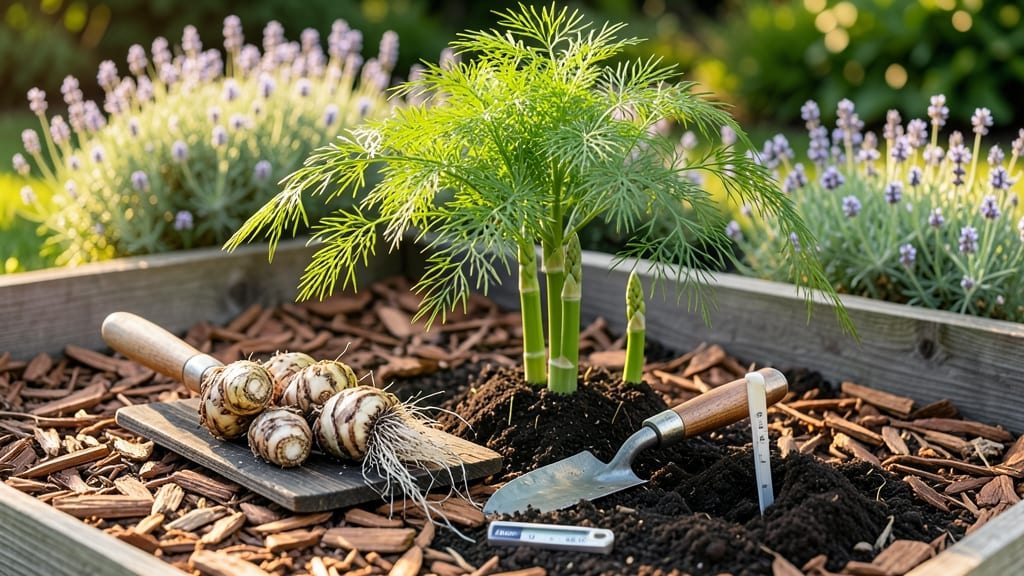
If you're dreaming of harvesting your own asparagus in Zone 8, planting it at the right time is the key to avoiding years of frustration.
The perfect window for planting asparagus crowns falls between late winter and early spring—typically February through March—when the soil warms up but the summer heat hasn't arrived yet.
Why does timing matter so much? Planting too early risks frost damage, while waiting too long can trigger premature bolting—the dreaded moment when your asparagus sends up flower stalks instead of delicious spears.
In Zone 8's mild winters and hot summers, getting this balance right makes all the difference between a thriving garden and a wasted investment.
I’ve tested different approaches in my own garden, and the results speak for themselves. Whether you’re working with coastal microclimates, inland valleys, or desert-like conditions, understanding your local frost patterns and soil temperature is the game-changer.
Let me walk you through the exact steps to time your planting for zero-bolt success.
From soil prep to variety selection, you’ll discover how to extend your planting window without risking failure. Ready to turn your asparagus patch into a perennial harvest? Let’s get started.
Optimal planting windows for asparagus in Zone 8 (by microclimate)
Zone 8's diverse microclimates—coastal, inland, and desert—create wildly different conditions for planting asparagus. In my experience, getting the timing wrong by even a few weeks can trigger bolting (premature flowering) or stunted growth.
The key? Plant when soil temperatures hit 40-50°F and frost risk has passed in your specific area.
Coastal areas like San Diego or Santa Barbara enjoy milder winters, while inland cities such as Phoenix or Sacramento face hotter summers and cooler nights. Desert regions like Palm Springs have extreme temperature swings. Each microclimate demands a tailored approach to avoid asparagus bolting before harvest.
Here’s how I break down the planting windows for each Zone 8 microclimate, including soil temperature triggers and frost-free date calculations to maximize your harvest potential.
📅 Pro Tip: Use a soil thermometer to confirm readiness—air temperature alone won’t cut it!
| Microclimate | Optimal Planting Window | Soil Temp Trigger | Frost-Free Date | Key Risk |
|---|---|---|---|---|
| Coastal (e.g., San Diego) | Late February to March | 45-50°F | Mid-February | Overwatering (soggy soil) |
| Inland (e.g., Sacramento) | Early March to April | 40-45°F | Late March | Late frost damage |
| Desert (e.g., Phoenix) | October-November (fall) or February | 50-55°F (fall) / 45-50°F (spring) | Late November (fall) / Mid-February (spring) | Bolting from heat stress |
For coastal Zone 8 gardeners, the window is tight—plant too early, and your asparagus may rot in cool, damp soil. Aim for late February to March when soil temperatures stabilize above 45°F. Coastal areas like San Diego rarely see frost, but foggy mornings can delay warming.
Inland regions such as Sacramento or Fresno face late frosts well into March. Wait until the average last frost date (typically March 15) and confirm soil is 40-45°F. Planting too early risks frost damage to young crowns, while delaying past April may trigger bolting before harvest.
Desert microclimates like Palm Springs or Yuma offer a unique advantage: fall planting. The cool season (October-November) provides ideal soil temps (50-55°F) before winter rains arrive. Spring planting is also viable in February, but avoid April—summer heat will stress young plants.
Regardless of microclimate, soil preparation is non-negotiable. Amend your bed with compost and sand (for desert areas) to ensure well-draining soil. Asparagus hates soggy roots, and bolting often starts when crowns suffocate.
My top tip: Mark your planting date on a calendar and set reminders for harvest timing (years 2-3). Asparagus spears emerge when soil reaches 60°F—track this to time your harvest perfectly and avoid missing the first flush of spears.
🌱 Ready to plant? Grab your soil thermometer and dive in—your future harvests depend on it!
How to adjust planting dates based on soil temperature (not just air temperature)
Most gardeners focus on air temperature when deciding when to plant asparagus, but in Zone 8, soil temperature is the real game-changer. Asparagus crowns need soil that's warmed to 40-50°F to thrive—any colder, and roots struggle to establish.
I’ve learned the hard way that planting too early in chilly soil leads to stunted growth or even crown rot.
In my own garden, I’ve seen asparagus planted in February with 50°F soil produce spears the following spring, while identical plants in 40°F soil took an extra year to recover.
The difference? Soil temperature directly impacts root growth and bolting resistance. Let’s break down how to test and adjust for perfect timing.
🚨 callout warning 🚨
⚠️ Soil Temp Warning: Never plant asparagus when soil is below 40°F—roots freeze, crowns rot, and you’ll waste years waiting for harvests. Use a soil thermometer ($10 at garden centers) to check 6 inches deep before planting.
💡 Pro Tip: Coastal Zone 8 gardens (like San Francisco) may need to wait until mid-March for soil to warm, while inland areas (like Phoenix) can plant as early as late February.
To test your soil temperature, insert a soil thermometer 6 inches deep (where asparagus roots grow) in the morning for 3 consecutive days. If readings average 45°F or higher, it’s safe to plant. In cooler microclimates, this might mean delaying until late March—patience pays off with stronger spears.
If your soil warms too quickly (like in desert Zone 8 areas), use shade cloth or row covers to slow heating and extend the planting window.
I’ve used floating row covers to delay soil warming by 2-3 weeks in my high-desert garden, giving me a second planting opportunity in early April.
For cooler pockets, cold frames or low tunnels can warm soil faster. Place them over prepared beds in January to raise soil temps by 5-10°F. This trick has let me plant asparagus in early February in my valley garden, shaving off a full growing season.
Remember: Soil temperature > air temperature for asparagus success. By adjusting your planting dates based on real soil data—not just calendar dates—you’ll avoid bolting and get spears 2-3 years sooner than gardeners who guess. Grab that thermometer and let the soil tell you when it’s time!