
Plants
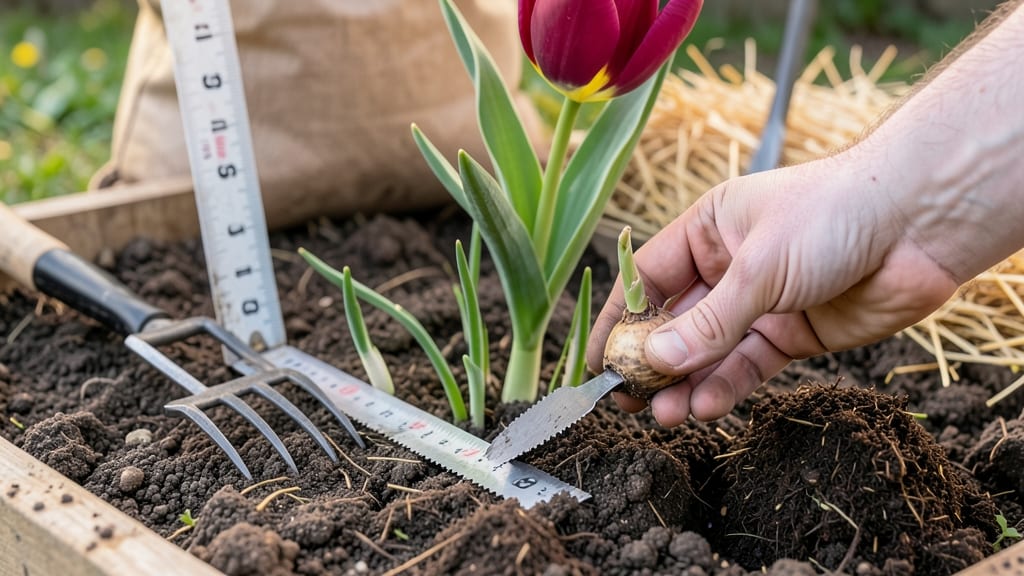
Timing is everything when it comes to planting bulbs in Oklahoma—get it wrong, and your 🌷 spring blooms might never appear. The key isn’t just waiting for fall; it’s knowing your exact USDA zone (6a-7b) and microclimate, whether you’re in Tulsa’s urban heat or western Oklahoma’s chillier pockets.
Most gardeners here plant bulbs in October or November, but that’s just the start. Early spring planting in February or March works too, as long as you avoid the last frost around April 15.
The trick? Planting when soil temps hit 60°F—too early, and bulbs sprout before winter; too late, and they miss dormancy.
I’ve tested this myself, and the difference between vibrant blooms and wasted effort comes down to these precise windows. Whether you’re planting tulips, daffodils, or crocuses, I’ll break down the exact months for your corner of Oklahoma—plus how to adjust for unpredictable weather.
Ready to transform your garden? Let’s dive into the microclimate-specific schedule that guarantees zero frost risk and maximum blooms next season.
Oklahoma’s bulb planting calendar by hardiness Zone (when to plant for zero frost risk)
Oklahoma’s USDA Hardiness Zones 7a-8a create unique challenges for bulb planting, where frost-free depth and microclimates dictate success. Unlike northern states, Oklahoma’s warm winters in southern zones (like Lawton) allow later planting, while northern pockets (like Oklahoma City) require earlier timing to beat November frosts.
The key? Planting 6-8 weeks before ground freezes—typically mid-October to early November—but with exceptions for tulips and crocuses that thrive in late winter.
Most gardeners focus on fall planting, but Oklahoma’s variable winters mean some bulbs (like daffodils) can also be planted in February for spring blooms. The depth rule applies universally: plant bulbs 6-8 inches deep (or 2-3 times their height) to protect roots from freeze-thaw cycles.
Below, we break down the month-by-month calendar by zone, including frost-risk adjustments for urban vs. rural areas.
📌 Pro Tip: Use a soil thermometer to confirm 50°F soil temps before planting—this ensures roots establish before winter sets in. In Zone 8a (southern OK), you might push planting to mid-November, while Zone 7a gardeners should finish by October 15.
Notice how Zone 8a allows November planting for daffodils and crocuses, while western Oklahoma requires September starts to avoid early frosts. The urban heat island effect in Tulsa also lets gardeners plant 2 weeks earlier than rural areas.
For tulips, which struggle with wet springs, aim for October planting in all zones to ensure dormancy before rains.
Late winter planting (February-March) is an option for daffodils and crocuses in Zone 8a, but avoid this for tulips—they rot in soggy soil if planted too late.
Test soil moisture by squeezing a handful: if it forms a ball but crumbles, it’s ready for bulbs. If it stays clumped, wait 1-2 weeks.
⚠️ Warning: Premature planting (before 50°F soil) causes sprouting before winter, which freeze-kills tender shoots. Conversely, delaying past November risks
How Oklahoma’s microclimates (urban vs. rural) change ideal planting months
Oklahoma’s urban heat islands like Tulsa can trap warmth, letting you plant spring-blooming bulbs as early as September 15—weeks before rural areas. Meanwhile, western Oklahoma’s colder microclimates often delay planting until October 1 to avoid early frosts.
These differences aren’t just about dates; they’re tied to soil temperature and wind exposure that vary dramatically across the state.
In Tulsa and Oklahoma City, asphalt and buildings raise nighttime temperatures by 5-10°F, creating a false spring. This lets tulips and daffodils establish roots before winter. But in western Oklahoma’s Panhandle, where nights drop below 20°F faster, bulbs need extra time to harden off.
Even a 10-mile difference can shift your planting window by 2 weeks.
Key Takeaway: Oklahoma Bulb Planting by Microclimate
- 📅 Planting Window: Sept 15–Oct 15
- 🌡️ Soil Temp Goal: 50–60°F (2–3 weeks earlier)
- 💨 Wind Risk: Low (buildings block cold air)
- 📅 Planting Window: Oct 1–Nov 1
- 🌡️ Soil Temp Goal: 45–50°F (delayed by 2+ weeks)
- 💨 Wind Risk: High (exposed fields)
- 🪴 Windbreaks: Plant near fences or shrubs
- 🌱 Mulch Thickly: 3–4 inches of straw
- ⏱️ Wait for Calm: Avoid planting during windy spells
- 🌡️ Use a Thermometer: 6" deep, 50–60°F ideal
- ❄️ Frost Watch: Check NOAA’s Frost Prediction maps
- ⏳ Wait for Consistency: 3+ days above 50°F
Your local wind patterns matter just as much as temperature. In open prairie areas, wind can dry out bulbs before they root, while urban gardens often have more moisture retention.
To test your microclimate, bury a soil thermometer for 3 days—if it hovers above 50°F at 6 inches deep, it’s safe to plant. Rural gardeners should aim for 45°F minimum to prevent frost heave.
Even within cities, elevation changes create microclimates. For example, Oklahoma City’s hills can be 5°F cooler than downtown valleys.
If you’re unsure, plant crocuses first—they’re the most cold-hardy and will tell you if your timing is off. Daffodils and tulips need that extra buffer, so rural areas should hold off until after October 15.
Pro tip: Mulch with straw (not leaves) to insulate bulbs in windy areas. A 3-inch layer adds 5°F of protection during cold snaps. Urban gardeners can skip this, but rural plantings must mulch to survive western Oklahoma’s sub-zero nights.
Pair this with a windbreak of evergreens or a temporary fence for exposed sites.
Remember, soil temperature is your best guide—not the calendar. If your thermometer reads 40°F or below, even in September, wait.
Urban heat islands can fool you into planting too early, while rural areas risk frost damage if you rush. Test, don’t guess, and your bulbs will thank you with vibrant spring blooms every time. 🌷