
Plants
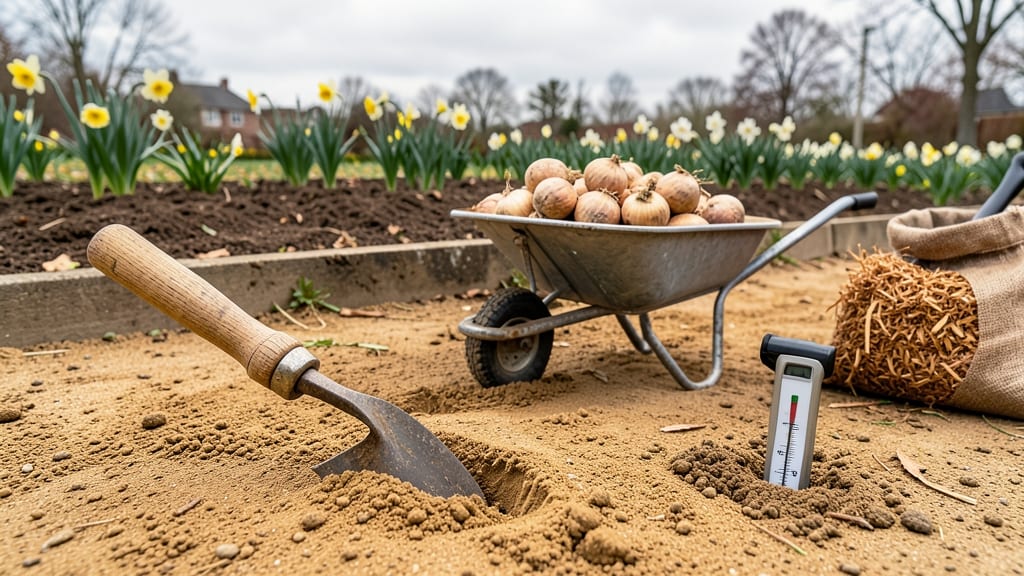
Planting daffodil bulbs in Oklahoma at the wrong time could mean frost-damaged blooms or no flowers at all—but timing it right guarantees vibrant spring displays before summer heat arrives.
The key lies in understanding your local microclimate, whether you're in Oklahoma City's urban heat zone or the wind-swept plains of western Oklahoma.
Most gardeners in zones 6b-7a should plant their 🌼 bulbs between October and November, but that window shifts slightly depending on your frost dates. Planting too early risks rot, while waiting too late means bulbs won't establish roots before winter's chill sets in.
I'll walk you through exactly when to plant based on your specific region, plus soil prep tricks that work in Oklahoma's heavy clay soils. You'll learn how to adjust for late cold snaps, urban heat islands, and even how to protect your investment from voles and other local pests.
With the right timing and a few simple adjustments, you'll have daffodils popping up like clockwork—earlier and more reliably than ever before. Let's get those bulbs in the ground the smart way.
Best planting months for daffodils in Oklahoma’s 3 climate zones
Oklahoma’s diverse climate zones (6b, 7a, 8a) create unique challenges for daffodil growers. Unlike northern states, Oklahoma’s mild winters and late frost dates extend your planting window—but timing is still critical. Plant too early, and bulbs may rot; too late, and they won’t establish strong roots before winter.
Let’s break down the optimal planting windows for each zone to ensure your daffodils thrive.
In USDA Zone 6b (northern Oklahoma, like Enid), daffodils should go in the ground 4-6 weeks before the first frost, typically between mid-October and early November. This gives bulbs time to root before temperatures drop below 40°F (4°C).
In Zone 7a (central Oklahoma, including Oklahoma City and Tulsa), you’ve got a slightly longer window—late September to mid-November—but aim for October for best results.
Zone 8a (southern Oklahoma, like Lawton or rural areas near Texas), has the most flexibility with planting possible until early December. However, bulbs planted after November 15 may struggle to establish roots before winter rains arrive. Always check your local frost forecast—Oklahoma’s unpredictable weather can shift deadlines fast!
Soil temperature is just as important as calendar dates. Daffodil bulbs need soil temps between 50-60°F (10-15°C) to root successfully. In Oklahoma, this usually aligns with late September to October, but rural areas may lag behind cities due to cooler nighttime temps.
Use a soil thermometer to confirm—if temps are still above 60°F (15°C), wait a week or two.
| Climate Zone | Ideal Planting Window | Soil Temp Threshold | First Frost Risk | Local Examples |
|---|---|---|---|---|
| USDA 6b (Northern OK) | Mid-October to early November | 50-60°F (10-15°C) | Late November | Enid, Woodward, Altus |
| USDA 7a (Central OK) | Late September to mid-November | 50-60°F (10-15°C) | Mid-November | Oklahoma City, Tulsa, Stillwater |
| USDA 8a (Southern OK) | Late September to early December | 55-65°F (13-18°C) | Early December | Lawton, Ardmore, rural areas |
For urban gardeners in Oklahoma City or Tulsa, watch for heat islands that can delay soil cooling. Plant on cloudy days or in the late afternoon to reduce stress on bulbs.
Rural areas, meanwhile, may experience earlier frosts due to higher elevations—check with local Cooperative Extension offices for precise frost dates.
Pro tip: If you miss the ideal window, plant in containers and keep them in a garage or shed until soil temps drop. This buys you extra time in Zone 8a but requires well-draining soil mixes to prevent rot.
Never plant daffodils in waterlogged soil—Oklahoma’s clay-heavy soils need amendments like sand or compost for best results.
Remember, daffodils are hardy perennials, but their first year’s success hinges on proper fall planting. In Zone 6b, aim for October 15; in Zone 7a, stretch to November 1; and in Zone 8a, don’t go past November 15 unless you’re using containers.
With these timelines, you’ll enjoy vibrant blooms by April—just in time for Oklahoma’s spring warmth!
One final note: Daffodil varieties like ‘Ice Follies’ or ‘Tête-à-Tête’ (dwarf types) thrive in Oklahoma’s climate, while large-flowered types may need extra winter mulch. Always choose local nursery stock adapted to your zone for the best results.
Now that you’ve got your planting window locked in, your daffodils are one step closer to brightening Oklahoma’s landscapes—no matter where you live in the state! 🌼
How to adjust planting time for Oklahoma’s microclimates
Oklahoma’s varied geography—from Oklahoma City’s urban heat islands to the windy plains and mountainous regions—means daffodil planting times vary by location. Urban areas like Tulsa and Norman often experience earlier frost due to concrete heat retention, while rural plains may face sudden cold snaps.
Adjust your schedule based on these microclimate factors to ensure success.
For urban gardens, plant bulbs 2-3 weeks earlier (mid-September) to account for heat-retaining soil. In contrast, windy plains near Lawton or Altus may require delayed planting until late October to avoid dry soil exposure.
Mountainous areas like the Ozark foothills often need earlier planting due to cooler temperatures.
Always check your local frost dates—Oklahoma City typically sees its first frost around November 15, while rural areas may experience frost 2 weeks earlier. Plant bulbs 4-6 weeks before your area’s average first frost date for optimal root establishment.
🌱 Oklahoma Microclimate Planting Adjustments
📅 Plains: Late October (delayed for dry soil)
📅 Mountains: Early October (cooler temps)
Prepare your soil with 2-3 inches of compost to improve drainage—a critical factor in Oklahoma’s clay-heavy soils. Add a 1-inch layer of mulch (straw or pine needles) after planting to insulate bulbs and protect against temperature swings.
This extra layer can extend your planting window by 1-2 weeks in high-risk areas.
Watch for soil temperature cues: Daffodil bulbs need 60°F soil to start rooting. Use a soil thermometer to confirm—if temps drop below 50°F, delay planting until conditions stabilize. In northern Oklahoma, this might mean waiting until mid-October.
If you miss the ideal window, plant in December as a last resort—just ensure bulbs are firmly in the ground before hard freezes. While not ideal, this method still yields spring blooms in most cases. Just avoid planting in spring—daffodils need cold stratification to flower.