
Plants
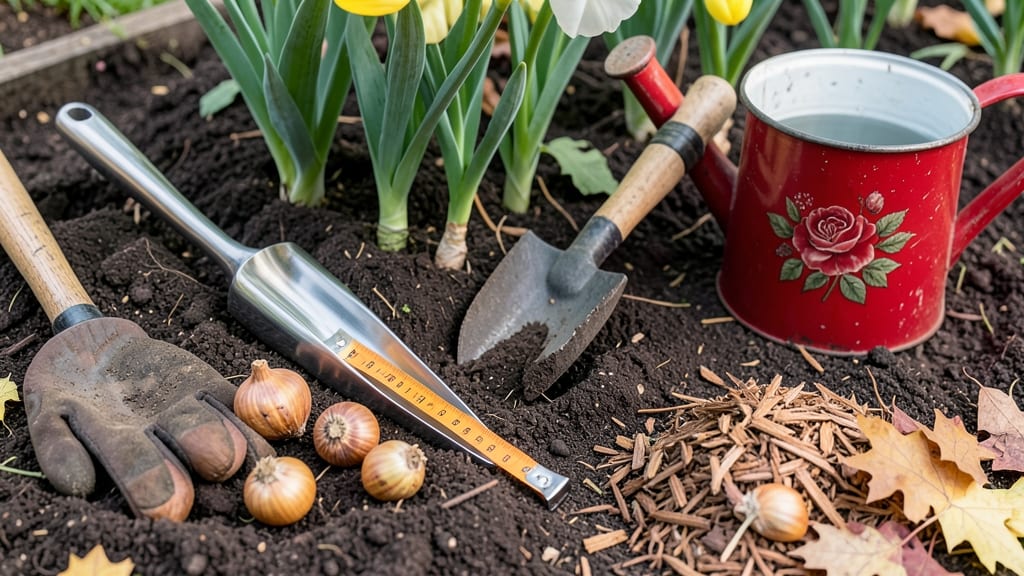
Planting your Spring Flowering Bulbs 🌷 at the wrong time in fall could mean disappointing spring blooms—or worse, bulbs rotting before they even sprout. The secret to vibrant tulips and daffodils isn’t just when you plant, but how you time it with your local frost dates and soil conditions.
I’ve learned the hard way that rushing or waiting too long makes all the difference. In USDA Zone 6a, the ideal window is 6 weeks before your first frost—usually late September through early November—but that timeline shifts dramatically depending on where you live.
Let’s break down the exact months for your zone and the pro tips that’ll guarantee those showstopping spring blooms.
You’ll discover why soil temperature matters more than calendar dates, how to adjust for early or late frosts, and which bulbs (like tulips vs. daffodils) thrive with different timing. Plus, I’ll share my top mistakes to avoid—like planting too deep or in soggy soil—that can ruin even the best-laid plans.
By the end, you’ll have a foolproof checklist to nail your fall planting, so you’re not guessing whether your 🌷 Spring Flowering Bulbs will deliver next spring. Ready to transform your garden? Let’s get started.
Fall bulb planting schedule by USDA Zone: exact months for zero-frost success
Timing your fall bulb planting is the secret to vibrant spring blooms. Plant too early, and bulbs may sprout prematurely before winter; too late, and they won’t establish roots before frost.
The 6-week rule before your first frost date is your golden window—but zones vary wildly. Let’s break it down by region so you can plant with confidence.
Most gardeners focus on USDA zones 3-10, but even within these zones, local microclimates can shift your ideal planting window by 2-4 weeks.
For example, Pacific Northwest zones often plant later than their zone suggests due to milder winters, while Deep South zones may need to plant earlier to avoid summer heat stress. Below, we’ll map out the exact months for each zone, plus regional tweaks to avoid frost damage.
Pro Tip: Use a soil thermometer to confirm 50-60°F soil temps—this is the sweet spot for root growth before dormancy. If your soil stays above 60°F for too long, bulbs may sprout too soon and get fried by winter cold.
| USDA Zone | Ideal Planting Window | Last Safe Planting Date | Regional Adjustments | Bulb Types to Prioritize |
|---|---|---|---|---|
| Zones 3-4 | Mid-September to early October | By October 15 | Plant earlier in Zone 3 (late August) if soil warms quickly. Avoid planting if ground is frozen. | Tulips, daffodils, hyacinths, alliums |
| Zones 5-6 | Late September to mid-October | By November 1 | Zone 6 southern areas (e.g., Oklahoma) can plant until November 15. Northern Zone 5 (e.g., Michigan) should finish by October 15. | Crocus, snowdrops, fritillaries, grape hyacinths |
| Zones 7-8 | October to early November | By November 15 | Zone 7 northern (e.g., Virginia) plants by October 31. Zone 8 coastal (e.g., California) can plant until December 1 if mild. | Lilies, iris, ranunculus, anemones |
| Zones 9-10 | November to early December | By December 10 | Zone 9 desert (e.g., Arizona) plants in November to avoid summer heat. Zone 10 can plant year-round but aim for fall for best results. | Crinum, nerine, rain lilies, spring bloomers |
In Zones 3-4, where winters are harsh, focus on hardy bulbs like daffodils and crocus. These tolerate colder soils and snow cover, reducing frost risk.
Plant tulips in well-draining soil to prevent rot—this is critical in zones with thaw-freeze cycles that can heave bulbs out of the ground.
For Zones 5-6, the 6-week rule often lands in late September. If you’re in a humid climate (e.g., Midwest), avoid planting too early—excess moisture can cause bulb rot.
Instead, wait until soil temps drop below 60°F at night. Pacific Northwest gardeners in Zone 6 can push planting to mid-October thanks to milder winters.
Gardeners in Zones 7-8 have the most flexibility, but don’t wait too long. Planting in November risks premature sprouting if winters are mild. In Zone 8’s coastal areas (e.g., Oregon, North Carolina), you might even squeeze in a December planting if the
Fall bulb planting schedule by USDA Zone: exact months for zero-frost success
Timing your fall bulb planting depends entirely on your USDA hardiness zone. Plant too early, and bulbs may sprout before winter; too late, and they’ll rot in cold, wet soil.
The golden rule? Aim for 6 weeks before your first frost date. This window ensures bulbs establish roots without premature growth.
For example, gardeners in Zone 3 (think Minnesota or Maine) should plant by mid-October, while those in Zone 10 (Southern California or Florida) can extend planting until December. The key is soil temperature—bulbs need 40–50°F soil to root but not sprout.
Below is your zone-by-zone planting chart, including regional exceptions like the Pacific Northwest’s mild winters or the Deep South’s early frosts. Use this to pinpoint your exact window and avoid common mistakes like planting tulips in Zone 7 after November 15.
| USDA Zone | Ideal Planting Month | Last Chance (Before Frost) | Soil Temp Goal (°F) | Notes |
|---|---|---|---|---|
| Zones 3–4 | Mid-September to October 15 | October 31 | 40–50°F | Early frost risk; use mulch. |
| Zones 5–6 | October 1–November 15 | November 30 | 40–50°F | Classic "October" planting zone. |
| Zones 7–8 | November 1–December 15 | January 1 (if mild) | 50–60°F | Pacific NW: extend to January. |
| Zones 9–10 | December–February | No frost (plant anytime) | 55–65°F | Southern CA: plant after holidays. |
Pro tip: Check your local frost dates (use the Old Farmer’s Almanac or NOAA), then count backward 6 weeks. For example, if your first frost is November 15, plant by October 1.
This works for tulips, daffodils, crocus, and hyacinths—just adjust depth (6" for large bulbs, 4" for small).
One common mistake? Planting late in Zone 5 because "October feels early." But bulbs need time to root—don’t rush! If you miss the window, store them in a cool, dark place (like a fridge) until next fall. And in Zone 10, avoid planting before December—summer heat stresses bulbs.
Remember: Soil temperature matters more than air temperature. Use a soil thermometer to confirm 40–50°F before planting. If the ground is frozen or soggy, wait—bulbs won’t root in cold, waterlogged soil. Mulch after planting to insulate roots and prevent heaving during freeze-thaw cycles.