
Plants
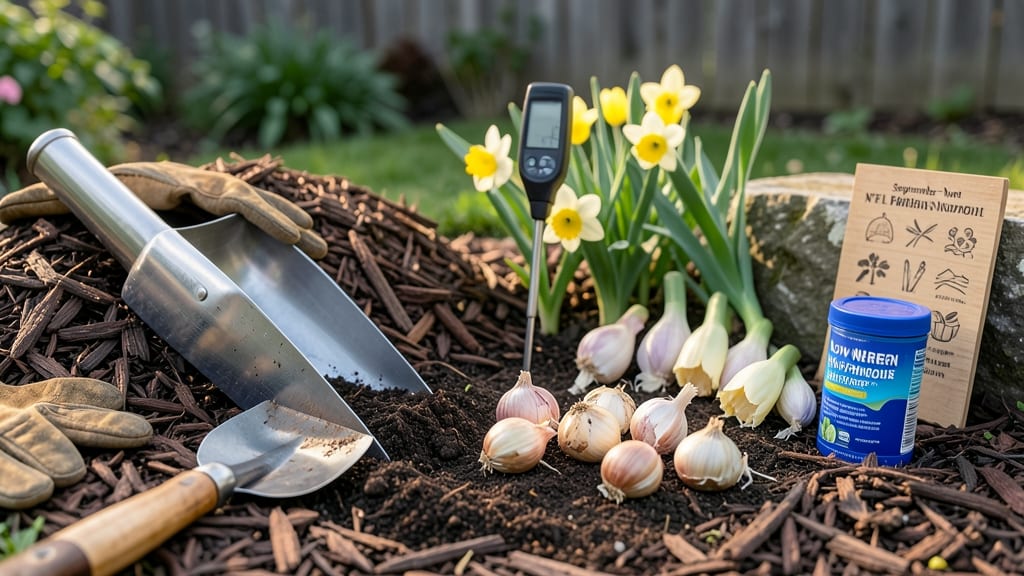
Planting bulbs at the wrong time in New York can mean the difference between a show-stopping spring garden and a sad, frozen disappointment. The key isn't just picking the right month—it's understanding your microclimate, whether you're in the city's urban heat islands or the Adirondacks' chilly highlands.
For most of New York's 5b-7b zones, fall planting between September and November gives bulbs the perfect head start before winter. But timing shifts when you move from Long Island's milder coastal areas to the earlier frosts of the Catskills.
I'll break down exactly when to plant for zero-frost survival in each region.
You'll also discover how to extend your planting window using simple tricks like mulch timing and soil prep. These methods help bulbs establish roots before the ground freezes—critical for varieties that need 6-8 weeks of root growth before winter sets in.
Whether you're a first-time gardener or a seasoned pro, getting this right means more blooms next spring. Let's dive into the exact schedule that works for your corner of New York.
NY planting months by microclimate: coastal vs inland vs Adirondacks
New York’s diverse climates—from the moderate coastal areas to the harsh Adirondack winters—mean your tulip, daffodil, and hyacinth planting schedule must adapt. Planting too early or late can leave bulbs vulnerable to freezing soil or premature sprouting.
The key? Understanding your microclimate’s last frost dates and USDA hardiness zones.
Coastal regions like Long Island and Buffalo enjoy milder winters, while the Adirondacks and Catskills face longer frost seasons. Even inland cities like Albany experience earlier freezes than coastal gardens. Let’s break down the optimal planting windows for each region to ensure your bulbs thrive.
🌱
| Region | USDA Zone | Last Frost Date | First Frost Date | Fall Planting Window | Spring Planting Window |
|---|---|---|---|---|---|
| Coastal (Long Island, NYC, Buffalo) | Zone 7a-7b | Mid-April | Late October | October 1-31 | March 15-April 15 |
| Inland (Albany, Syracuse, Rochester) | Zone 5b-6a | Early May | Mid-October | September 15-October 15 | April 1-May 1 |
| Adirondacks/Catskills (Lake Placid, Saratoga) | Zone 4a-5a | Late May | Early October | September 1-October 1 | May 1-June 1 |
For coastal gardeners, the October window is ideal because the soil stays warm longer, giving bulbs time to root before winter. In inland zones, aim for mid-September to avoid early freezes, while Adirondack gardeners should plant by early October to prevent soil freezing before roots establish.
Spring planting is riskier but possible if you miss fall. Coastal areas can start as early as mid-March, while inland regions should wait until after April 1 to avoid late frosts. The Adirondacks are the most challenging—plant in May only if you’re using hardy varieties like daffodils.
Pro tip: Use local frost date data from the National Weather Service or Cornell Cooperative Extension to fine-tune your schedule. For example, Buffalo’s last frost often comes 2 weeks earlier than NYC’s, even though they’re in similar zones.
🌿
Don’t overlook soil preparation. In coastal areas, sandy soil drains quickly—amend with compost to retain moisture. Inland and mountain regions benefit from organic matter to insulate bulbs from temperature swings.
Plant tulips 6-8 inches deep, daffodils 6 inches deep, and hyacinths 4-6 inches deep for winter protection.
If you’re in Zone 5 or colder, prioritize cold-hardy bulbs like Tête-à-Tête tulips or Ice Follies daffodils. These varieties survive -20°F without extra protection. For coastal gardeners, even standard tulips thrive with a 3-inch mulch layer of straw or leaves.
💧
After planting, water deeply to settle soil around bulbs. In fall-planted gardens, a good soaking encourages root growth before winter. Skip spring watering until shoots emerge—overwatering can rot bulbs in cold, saturated soil. Instead, focus on mulching to regulate temperature and moisture.
Remember: Timing is everything. A 2-week delay in inland areas can mean the difference between blooming bulbs and frozen failures. Use this guide as your microclimate roadmap, and
How to extend your bulb planting season in NY’s unpredictable winters
New York's unpredictable winters can make bulb planting feel like a guessing game. One year, the ground freezes early; the next, a late October thaw tricks you into waiting too long.
The good news? With a few smart strategies, you can safely extend your planting window by 2-4 weeks—giving fragile bulbs the root growth they need before winter sets in.
Most gardeners stick to the 6-8 week rule before the first hard frost, but NY’s microclimates mean that timeline shifts dramatically. For example, Long Island’s coastal areas might get extra weeks compared to the Adirondacks.
I’ll show you how to work with your local conditions to plant later—or even earlier—without risking frozen bulbs.
⚠️ callout warning ⚠️
- Frost damage: Bulbs planted less than 6 weeks before freeze may not root deeply enough.
- Rodent temptation: Soft, newly planted bulbs attract voles and squirrels in late fall.
- Weak blooms: Rushed root growth leads to smaller flowers or no blooms next spring.
✅ Safe extension: Use mulch + frost blankets to add 2 weeks to your window.
One of the easiest ways to extend your planting season is by using mulch as insulation. Apply a 3-4 inch layer of straw or shredded leaves immediately after planting. This creates a protective barrier that keeps soil temperatures stable and delays frost penetration by 10-14 days.
For extra protection in zones 5b and colder, top the mulch with a lightweight frost blanket once nighttime temps drop below 35°F.
If you're pushing the envelope and planting in late November or even December, consider using soil warming techniques. Bury black plastic mulch or landscape fabric 2-3 weeks before planting to absorb sunlight and raise soil temps by 5-10°F.
This gives bulbs a head start on root growth before winter sets in. Just remember to remove the plastic in early spring to prevent overheating.
For gardeners in warmer microclimates like NYC or Long Island, you can sometimes plant bulbs as late as mid-November without extra protection. But in colder areas like the Catskills or Adirondacks, aim to finish by early November—even with mulch.
Test your soil’s readiness by pushing a 12-inch probe into the ground; if it’s below 40°F at 6 inches deep, it’s time to stop planting.
Pro tip: If you’re planting tender bulbs like dahlias or cannas, dig them up after the first frost and store them in a cool, dark place (like a basement) until spring. This lets you extend your growing season well beyond NY’s frost dates while still enjoying summer blooms.
For hardy bulbs like daffodils and alliums, focus on early fall planting and protective mulching instead.
Remember, the goal isn’t to defy nature entirely—it’s about working with NY’s climate to give your bulbs the best possible start. With the right timing and a little extra protection, you’ll be rewarded with healthier plants and bigger blooms next spring. 🌷