
Plants
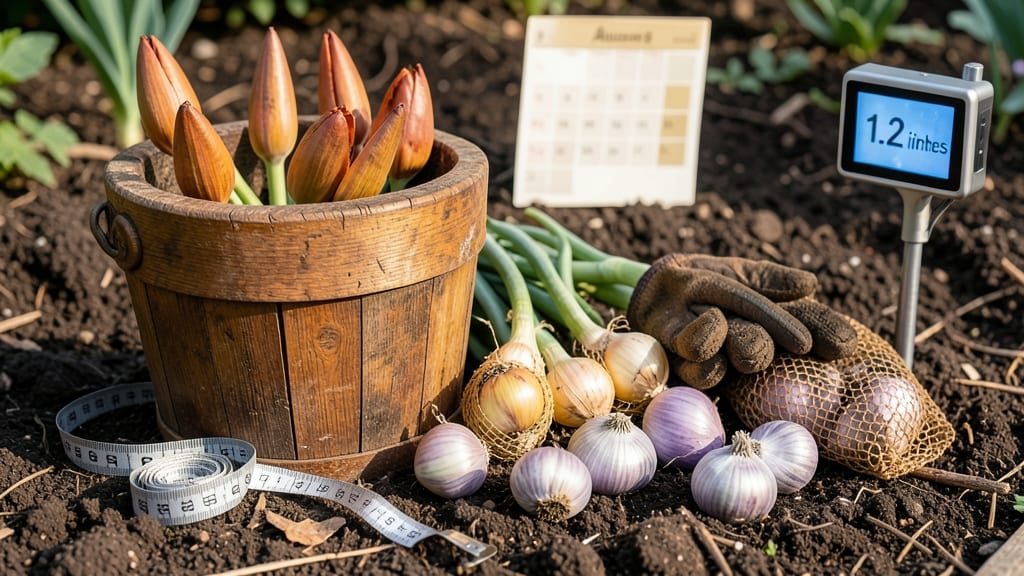
Planting bulbs in Zone 8 at the wrong time can turn your 🌱 spring garden dreams into a soggy, rotten mess—no one wants to dig up bulbs that never made it past winter.
The secret lies in a narrow window where the soil cools but the ground doesn’t freeze solid, giving roots time to establish without inviting pests or disease.
Most gardeners in Zone 8 rush to plant in late fall, but that’s often too late—especially in areas like Southern California where frost hits unpredictably. The ideal window actually opens in early October, when daytime temps hover around 70°F but nights dip below 60°F.
This balance is critical for bulbs like tulips and daffodils to root deeply before the ground locks up.
Here’s what you’ll discover: the exact 6-week rule for timing your plantings, how to adjust for microclimates (coastal vs. inland), and which bulbs thrive with Zone 8’s mild winters.
Skip the guesswork and learn how to turn your garden into a blooming paradise next spring—without losing a single bulb to frost.
Whether you’re a first-time planter or a seasoned gardener, these insights will help you avoid the most common mistakes that leave bulbs struggling. Let’s get those 🌱 roots growing the right way.
Zone 8 bulb planting timeline: exact weeks before first frost
Mastering the perfect planting window for Zone 8 bulbs means timing your fall plantings 6-8 weeks before the first frost. In Zone 8, this typically falls between mid-October and early November, but regional microclimates—like coastal California’s milder winters or Texas’ inland chill—can shift this window by 2-4 weeks.
The key is soil temperature, which should drop below 60°F to trigger bulb dormancy and root growth.
For spring-blooming bulbs like tulips and daffodils, the 60°F soil trigger is critical. Plant too early, and bulbs may sprout prematurely in warm soil, only to rot when winter arrives.
Too late, and they won’t establish roots before the ground freezes, leading to weak or no blooms next spring. Fall-blooming varieties, like crocus and allium, have slightly more flexibility but still need 4-6 weeks of root establishment before frost.
Here’s the science-backed timeline for Zone 8, adjusted for Southern California, Texas, and Florida’s northern edges. Use your local USDA frost date as your anchor—subtract 6-8 weeks to calculate your ideal planting window.
| Region | Avg. First Frost | Ideal Planting Window | Soil Temp. Goal | Key Bulbs to Plant |
|---|---|---|---|---|
| Southern California (Coastal) | December 1-15 | October 15 - November 1 | Below 60°F | Tulips, Daffodils, Hyacinths |
| Southern California (Inland) | November 15 - December 1 | September 20 - October 10 | Below 60°F | Crocus, Allium, Snowdrops |
| Central Texas | November 10 - December 5 | October 1 - October 25 | Below 55°F | Tulips, Daffodils, Lilies |
| Florida (Northern) | December 1 - January 10 | October 20 - November 10 | Below 65°F | Crocus, Allium, Hyacinths |
In Southern California’s coastal areas, where frost is rare, you can extend planting into early November.
However, inland valleys—like those near Los Angeles or San Bernardino—experience earlier frosts, so aim for mid-October to avoid surprises. Texas gardeners should prioritize early October plantings, as soil cools faster in inland areas, and 55°F is the magic threshold for root establishment.
For Florida’s northern edges (e.g., Panhandle or Orlando), the window is slightly later due to milder winters, but don’t wait past November 10. Crocus and allium thrive here because they bloom in fall or early winter, avoiding the risk of spring frosts entirely.
These fall-blooming bulbs are your secret weapon for early-season color in Zone 8.
Pro tip: Use a soil thermometer to monitor temperatures.
Once soil hits 60°F consistently at night, it’s time to plant. Cold-hardy bulbs like tulips can handle 40°F soil, but tender varieties (e.g., dahlias or cannas) need to be planted after the first frost in spring. Label your bulbs by variety and planting date to track performance.
After planting, mulch heavily (3-4 inches) with straw or shredded leaves to insulate bulbs from temperature swings. In Zone 8’s unpredictable winters, a sudden 30°F dip can damage exposed soil.
Water deeply but infrequently—aim for 1 inch of water every 2-3 weeks—to encourage root growth without rotting bulbs. Stop watering entirely once the ground freezes.
Spring-blooming bulbs will sprout in late winter (February-March), but resist the urge to fertilize until after blooming. The energy they need comes from stored nutrients in the bulb itself.
Once flowers fade, let foliage yellow and die back naturally—this recharges the bulb for next year’s blooms. Deadheading (removing spent flowers) redirects energy to bulb development, not seed production.
For Zone 8 gardeners, the fall planting window is your ticket to vibrant spring displays.
By following this science-backed timeline and adjusting for your local microclimate, you’ll avoid the two biggest mistakes: planting too early (rot risk) or too late (weak blooms). Mark your calendar now—your future garden’s beauty starts with this 6-week window
How to adjust planting dates for bulb types in Zone 8
Not all bulbs thrive under Zone 8’s mild winters, so their planting windows vary dramatically. Cold-hardy bulbs like tulips need a 6-8 week chill period before spring growth, while semi-hardy daffodils tolerate Zone 8’s mild winters with minimal dormancy.
Meanwhile, tender cannas must wait until after last frost—typically late February—to avoid frost damage.
Soil temperature is your best guide: aim for 60°F or below when planting fall bulbs. Use a soil thermometer to track temps—cooler coastal areas (like San Francisco) may need earlier planting than inland Dallas or Orlando. Microclimates matter: South-facing slopes warm faster than shaded spots.
| Bulb Type | Zone 8 Planting Window | Soil Temp Trigger | Chill Requirement | Microclimate Adjustment |
|---|---|---|---|---|
| Cold-Hardy (Tulips, Hyacinths) | Late October–November | ≤60°F (15°C) | 6–8 weeks below 40°F | Coastal: 4 weeks earlier |
| Semi-Hardy (Daffodils, Allium) | November–December | ≤55°F (13°C) | 4–6 weeks below 50°F | Inland: 2 weeks later |
| Tender (Cannas, Dahlias) | After last frost (Feb–March) | ≥65°F (18°C) | None (warm-season) | Valleys: 1 week earlier |
For cold-hardy bulbs, plant 6–8 weeks before your area’s first frost date. Check your local frost map—coastal Zone 8a (e.g., San Diego) may frost as early as December 1, while Zone 8b (e.g., Austin) often waits until mid-November.
Use mulch (straw or shredded leaves) to insulate bulbs if temps dip unexpectedly.
Semi-hardy bulbs like daffodils are forgiving but still need timing. Plant them 4–6 weeks before ground freezes—typically late November in Zone 8b. If your winter is unusually mild (like Houston’s 50°F winters), delay until December to avoid premature sprouting.
Tender bulbs like cannas and dahlias are a different story. Wait until after last frost (usually late February–March in Zone 8) and soil is warm. In coastal areas (e.g., San Francisco), plant 2 weeks earlier—their milder nights reduce frost risk.
Pro tip: Test soil moisture before planting—bulbs rot in soggy soil. Amend with compost for drainage, especially in clay-heavy soils common in Texas. Water deeply after planting, then let nature take over until spring rains arrive.