
Plants
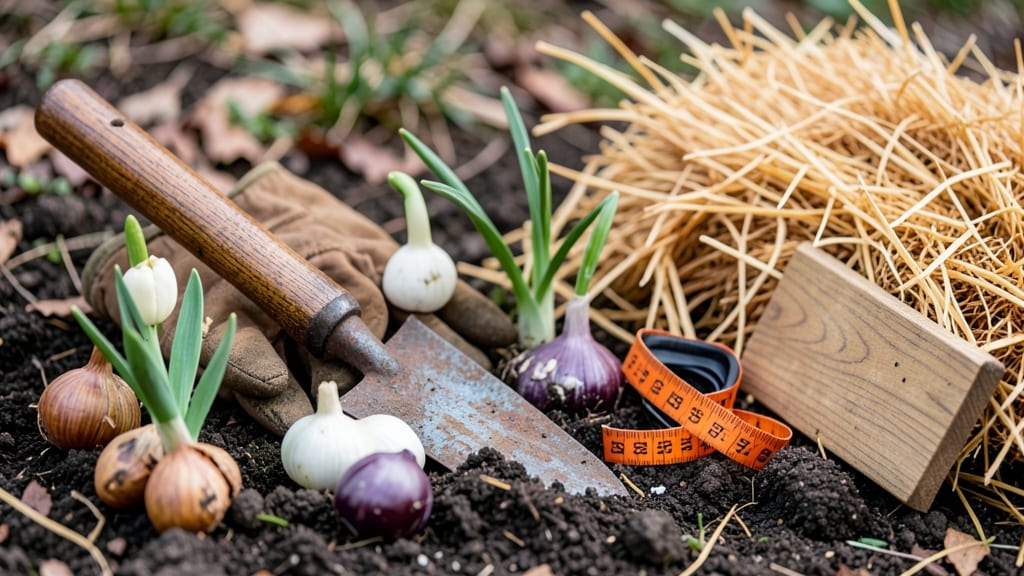
Timing your bulb planting in Kentucky could mean the difference between a garden bursting with 🌷 tulips and daffodils next spring—or empty holes where your investment vanished under frost.
Kentucky’s USDA Zone 6a climate gives you a narrow window to get bulbs in the ground just right: too early, and they’ll rot in damp soil; too late, and winter’s first freeze will kill them before they even sprout.
But here’s the secret most gardeners miss—your exact planting month depends on whether you’re in Louisville’s urban heat island or the cooler Appalachian foothills.
I’ll break down the ideal months for fall planting (October-November) and share how to adjust for Kentucky’s unpredictable weather, so you can time it perfectly for zero-frost success.
From soil temperature cues to microclimate adjustments, you’ll learn exactly when to plant 10 different bulb varieties—plus how to protect them from squirrels and soggy soil—so your garden wakes up to color every spring.
Kentucky’s 3 microclimates & their ideal bulb planting months
Kentucky’s geography creates three distinct bulb-planting zones, each with its own optimal planting window based on USDA zones 6a-7a and average frost dates.
Northern Kentucky (e.g., Paducah) typically falls into zone 6a, while Central (Louisville) and Southern (Bowling Green) lean toward zone 7a. These differences mean tulips and daffodils can bloom 2-3 weeks earlier in the south than in the north.
The golden rule for Kentucky bulb planting is to plant in fall—6-8 weeks before the ground freezes—so roots establish before winter. For spring-flowering bulbs, this usually translates to mid-October to early November in most regions.
However, Appalachian highlands (like Corbin) may need to plant as early as late September due to earlier frosts.
Here’s how to match your location to the perfect planting month:
| Microclimate | USDA Zone | Ideal Planting Month | Backup Window | Key Bulbs to Plant |
|---|---|---|---|---|
| Northern Kentucky (Paducah, Owensboro) | 6a | Mid-October to early November | Late September (early) or December (late) | Tulips, Daffodils, Hyacinths, Crocuses |
| Central Kentucky (Louisville, Lexington) | 7a | Late October to mid-November | Early October (early) or January (late) | Daffodils, Alliums, Fritillaries, Snowdrops |
| Southern Kentucky (Bowling Green, Hopkinsville) | 7a (warmer) | November (or even early December) | Late October (early) or January (late) | Daylilies, Canna Lilies, Rain Lilies, Camassia |
| Appalachian Highlands (Corbin, Pikeville) | 6a (cooler) | Late September to early October | Mid-September (early) or November (late) | Trilliums, Bleeding Hearts, Wild Ginger |
For summer-blooming bulbs like dahlia tubers or canna rhizomes, the rules flip: plant in late spring (May) after the last frost. These bulbs thrive in Kentucky’s humid summers and need well-draining soil to avoid rot.
Pro tip: Use a soil thermometer to confirm 50°F soil temps before planting fall bulbs. If temps drop below 40°F, roots won’t establish properly, leading to weak or no blooms next spring.
Kentucky’s urban heat islands (like Louisville) can delay frost by 1-2 weeks, so gardeners there might push planting to early December for hardy bulbs like daffodils. Always check your local Kentucky State University Extension office for hyper-local frost data—they update annual planting guides!
Remember: Early planting (before October 1) gives bulbs time to root deeply, while late planting (after November 15) risks frost damage. Aim for that sweet spot to ensure vibrant spring blooms!
How to adjust planting dates for Kentucky’s unpredictable weather
Kentucky’s unpredictable weather can throw off even the most experienced gardener. One year, the first frost hits by October 10 in Lexington, and the next, it lingers until November 5. For bulbs, this means your planting window might shrink from 6 weeks to just 2—leaving you scrambling to adjust.
The key is flexibility: knowing how to read your soil temperature, when to mulch, and which backup dates to use if frost comes early.
I’ve planted bulbs in Louisville’s urban heat pockets (where soil stays warmer) and Appalachian valleys (where cold snaps hit faster). Here’s how I adjust timing based on real-world conditions—so your tulips and daffodils survive the winter and burst into bloom next spring.
- 1 Use a soil thermometer: Plant when soil reaches 60°F (ideal for most bulbs). In Northern Kentucky, this might be late October; in Southern Kentucky, it could stretch to mid-November.
- 2 Mulch after planting: Apply 3–4 inches of straw to insulate bulbs. In Lexington’s frost-prone zones, this delays cold penetration by 2–3 weeks.
- 3 Backup dates for late frosts: If frost hits early (before October 20), switch to hardier bulbs like daffodils or alliums, which tolerate colder soil.
- 4 Urban heat island hack: In Louisville, soil stays 5–10°F warmer than rural areas. Plant 2 weeks later (e.g., November 1 instead of October 15) to avoid rot in warm soil.
- 5 Spring replanting: If you miss fall, plant tulip bulbs in early March (they’ll bloom later but still thrive). Avoid hyacinths—they need fall planting.
Don’t let Kentucky’s variable frost dates stress you out. Even if you plant at the last possible moment, bulbs like crocuses can handle light frosts after sprouting. Just cover them with row fabric for extra protection.
I’ve had tulips bloom beautifully after a January thaw followed by a quick freeze—proof that timing isn’t everything, but soil prep and mulching are.
Pro tip: Check the Kentucky Mesonet for real-time soil temps. Their Lexington and Louisville stations update hourly, so you’ll know exactly when to dig. And if all else fails, potted bulbs let you move them to a garage or cold frame until conditions improve.
Flexibility is your best tool against Kentucky’s unpredictable weather.
Remember, the goal isn’t perfection—it’s adaptation. Even a 10-day delay in planting can work if you adjust for your microclimate. Next spring, your garden will thank you with bold blooms that outshine the neighbors’. 🌷