
Plants
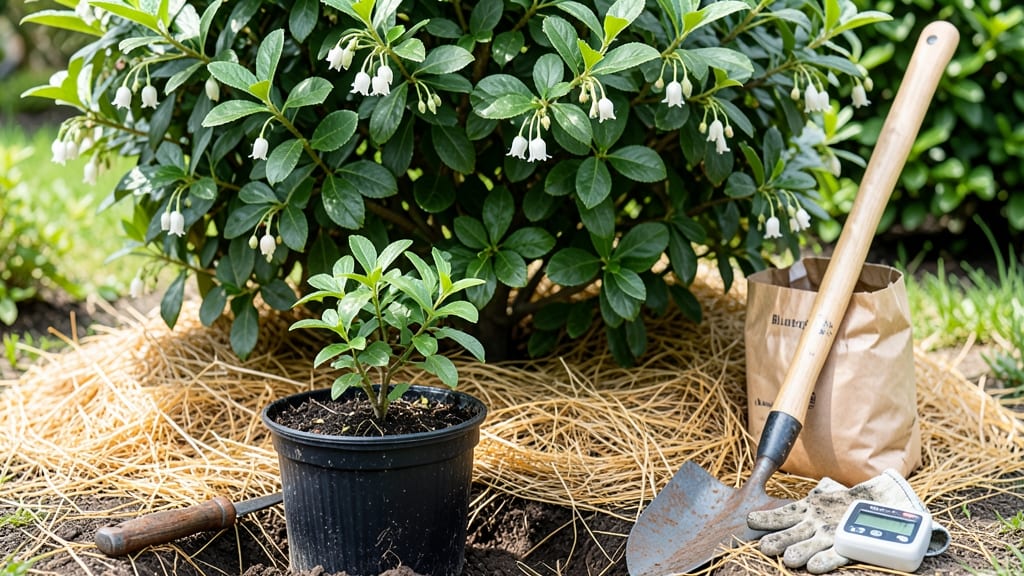
Planting a Blueberry Bush 🫐 in Georgia at the wrong time can mean the difference between a bountiful harvest and years of disappointment. The key isn't just the calendar—it's matching your variety to the 300–900 chill hours Georgia's climate provides, ensuring your bushes break dormancy just right for fruiting.
Most gardeners in USDA Zones 7b–8a assume spring planting is the only option, but late winter (February–March) gives roots time to establish before the heat sets in. Southern Georgia’s milder winters mean some varieties need earlier planting, while northern areas can wait until early spring without risking frost damage.
Whether you're planting bare-root or container-grown bushes, timing affects everything from root development to fruit production. I’ll break down the best windows for Georgia’s top varieties, plus soil prep and microclimate tricks to keep your Blueberry Bush 🫐 thriving in our hot, humid summers.
Ready to avoid common mistakes and set your bushes up for success? Let’s dive into the exact planting schedule—and soil adjustments—that’ll have you harvesting sweet berries by May or June.
Best planting times in Georgia by blueberry variety and chill-hour requirements
Georgia’s mild winters and hot summers create unique challenges for blueberry growers. The key to success lies in matching your variety’s chill-hour needs (300–900 hours) with Georgia’s USDA zones 7b–8a. Planting at the wrong time can lead to poor dormancy, reduced flowering, or even plant death.
Most Georgia gardeners plant blueberries in late winter to early spring (February–March), but some varieties thrive with fall planting too. The right timing ensures your bushes get enough cold exposure to break dormancy and produce fruit the following season.
Here’s how to align your blueberry variety with Georgia’s climate for maximum success:
| Variety | Chill-Hour Needs | Best Planting Time | Notes for Georgia |
|---|---|---|---|
| Premier | 300–400 hrs | February–March | Low-chill; thrives in North GA. |
| Duke | 400–500 hrs | Late February–March | Mid-chill; ideal for Central GA. |
| Climax | 500–600 hrs | March–April | High-chill; best for North GA mountains. |
| Brigitta | 600–700 hrs | Late March–April | Great for South GA; heat-tolerant. |
| O’Neal | 700–800 hrs | April (fall planting possible) | Late-season ripening; avoid early spring. |
For fall planting, aim for October–November in North Georgia (where frosts arrive earlier). This gives roots time to establish before winter. In South Georgia, fall planting is riskier due to warmer soils and potential freeze damage.
Always check your last frost date (typically mid-March in most of Georgia) to avoid planting too early. Bare-root bushes need 6–8 weeks to establish roots before hot weather hits.
Pro tip: If you’re unsure about chill hours, opt for Premier or Duke varieties. They’re the most Georgia-friendly and produce reliably even in warmer microclimates.
Container-grown blueberries can be planted year-round in Georgia, but spring is still best for minimizing transplant shock. Just ensure your pots have drainage holes and use acidic potting mix.
🌱
Best planting times in Georgia by blueberry variety and chill-hour requirements
Georgia’s climate—warm winters and hot summers—means timing is everything when planting blueberry bushes. Most varieties need 300–900 chill hours (temperatures between 32–45°F) to set fruit properly. In North Georgia (Zone 7b), you’ll have more chill hours than South Georgia (Zone 8a), so variety selection matters.
For North Georgia, aim for late winter to early spring (February–March) when soil is workable but frost risk has passed. In South Georgia, push planting to mid-March to April to avoid early heat stress.
Bare-root bushes establish faster in cool soil, while container-grown plants can handle slightly warmer conditions.
Here’s how chill-hour needs dictate your planting window:
| Variety | Chill Hours | Best Planting Time | Notes |
|---|---|---|---|
| Premier | 900+ | February–March (North GA only) | Cold-hardy, needs winter chill |
| Climax | 700–900 | Late February–March | Ripens early, great for North GA |
| Duke | 500–700 | March–early April | Heat-tolerant, works in South GA |
| Southern Highbush | 300–500 | March–April | Best for Zone 8a, low-chill needs |
| Britegold | 400–600 | Mid-March–April | Golden berries, thrives in heat |
If you miss the spring window, fall planting is possible in Georgia’s northwest corner (e.g., Blue Ridge Mountains) where frosts arrive earlier. Plant in October–November, ensuring bushes establish roots before winter. For South Georgia, fall planting risks heat stress, so stick to spring.
Pro tip: Container-grown bushes give you flexibility—they tolerate warmer soil better than bare-root. Amend containers with peat moss or pine fines to maintain acidity and moisture. Mulch heavily with pine straw to protect roots from Georgia’s summer heat.
Monitor your local last frost date (typically mid-March in North GA, late March in South GA) and wait 2–3 weeks after to plant. This buffer ensures roots establish before heat arrives.