
Companion Plants
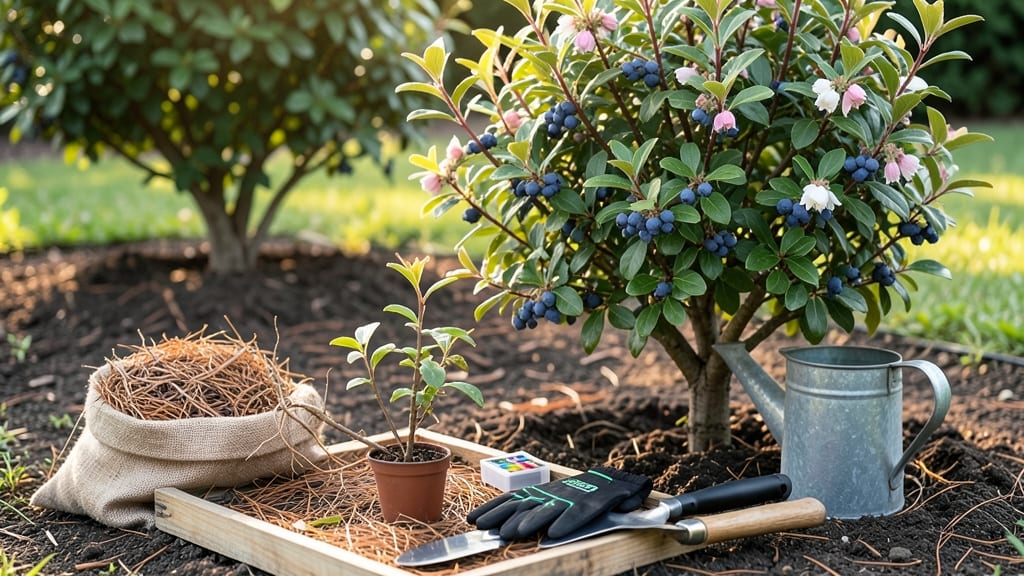
Planting your 🫐 blueberry bushes at the wrong time in Pennsylvania could mean waiting years for those sweet summer harvests—or worse, watching your bushes struggle in the wrong climate.
The key isn’t just picking a month; it’s matching your microclimate to the plant’s chill-hour needs, whether you’re in the cooler Poconos or the warmer Pittsburgh suburbs.
Most gardeners in zones 5-7 swear by early spring planting after the last frost, but fall can also work if you time it right.
I’ll break down exactly when to dig in—plus how to prep your soil for acidic-loving blueberry bushes—so you avoid the most common mistakes that kill yields before they even start.
You’ll learn how to read your local frost dates, adjust for urban heat islands, and even use mulch to protect young plants from Pennsylvania’s unpredictable swings. Trust me, getting this right the first time saves you from years of frustration—and a lot of wasted money.
Let’s get your blueberry bushes off to the best possible start with a planting schedule tailored to your corner of the Keystone State.
Pennsylvania planting Zones & blueberry chill-hour requirements
Understanding Pennsylvania’s USDA hardiness zones 5-7 is critical for successful blueberry cultivation. The Keystone State spans from Zone 4 in the Poconos to Zone 7 in the southern tier, creating dramatic differences in winter chill accumulation.
Most blueberry varieties require 300-1,000 chill hours (temperatures between 32°F-45°F) to produce fruit, and selecting the wrong variety for your zone can result in poor yields or no berries at all.
For example, northern highbush varieties like 'Bluecrop' need 800-1,000 chill hours, perfect for Zones 4-6, while southern highbush types like 'O'Neal' thrive with just 200-300 chill hours in Zones 6-7.
Even within the same zone, microclimates—like urban heat islands or mountain valleys—can shift chill-hour accumulation by 100-200 hours, making precise planning essential.
Here’s how to match your location to the right blueberry varieties and planting windows:
To verify your microclimate’s chill hours, check your local NOAA weather station data or use tools like the USDA Plant Hardiness Zone Map. For example, Pittsburgh (Zone 6b) typically accumulates 700-800 chill hours, while Philadelphia (Zone 7b) sees only 500-600 hours.
If you’re unsure, opt for low-chill varieties like 'Top Hat' (300 hours) or 'Southern Highbush' types that tolerate warmer winters.
Spring planting is ideal in Zones 5-7 because it allows roots to establish before summer heat, but fall planting (6-8 weeks before first frost) works too—just ensure young plants have time to root before winter.
In Zone 4, wait until after the last frost date (usually May 15) to avoid frost damage to tender new growth.
Pro tip: Test your soil’s acidity (pH 4.5-5.5) before planting—blueberries won’t thrive in alkaline soil. Use sulfur or peat moss to lower pH if needed, and mulch with pine needles or wood chips to maintain acidity naturally. This small step can double your yield in just one season.
For urban gardeners in heat-island areas, consider dwarf varieties like 'Top Hat' or 'Peach Sorbet' that tolerate heat better. In mountain regions, delay planting until after May 1 to avoid late frosts that can kill young shoots.
Always monitor your local frost dates—Pennsylvania’s climate shifts yearly, and a 5-day delay can mean the difference between success and failure.
Remember: Chill hours matter more than calendar months. A Zone 6 garden in State College might need a 600-hour variety, while a Zone 6 garden in Lancaster could thrive with 400-hour plants due to warmer winters.
Use your local cooperative extension office for hyper-local advice—they track chill hours annually and can save you from costly mistakes.
🌱
Best planting months for Pennsylvania: spring vs. fall timing
Deciding between spring and fall planting for blueberry bushes in Pennsylvania depends on your USDA zone and local frost patterns. In Zone 5 (common in central PA), late frosts can linger until mid-April, while Zone 7 (southern PA) often sees frost-free conditions by mid-March.
Both seasons offer advantages, but timing is critical for root establishment before winter or summer heat.
For spring planting, aim for late April to early May after the last frost date. This gives bushes 6-8 weeks to establish roots before summer stress.
In contrast, fall planting (September-October) allows roots to grow before winter dormancy, but avoid planting too late—6 weeks before the first frost is ideal. Pennsylvania’s unpredictable weather makes both options viable if you prepare correctly.
Spring Planting (March-May)
Pros
- Longer growing season for root establishment
- Easier to monitor soil moisture in warmer months
- Less risk of dormant plant damage from winter cold
Cons
- Late frosts can delay planting in Zone 5
- Requires consistent watering during summer droughts
- Young plants may struggle with heat stress if not established
Fall Planting (September-November)
Pros
- Roots establish before winter dormancy
- Cooler temps reduce transplant shock risk
- Avoids summer heat stress for young plants
Cons
- Late fall planting may freeze before rooting
- Limited time to correct soil issues before winter
- Harder to monitor watering in cooler months
Before planting, test soil pH—blueberries thrive in acidic soil (4.5-5.5). If your soil is alkaline, amend it with peat moss or sulfur 4-6 weeks before planting.
In spring, focus on mulching with pine needles or wood chips to retain moisture, while fall-planted bushes benefit from a 3-inch layer of mulch to insulate roots during winter.
For Zone 5 gardeners, I recommend fall planting in early September to allow roots to establish before winter. In Zone 7, either season works, but spring planting in late March gives you more flexibility to adjust for early warmth.
Always water deeply after planting and keep soil moist for the first 4-6 weeks to encourage root growth.
PA’s unpredictable frost patterns mean checking your local frost-free date is essential. Use the National Weather Service or Almanac tools to plan around your microclimate. For example, Pittsburgh (Zone 6) typically sees its last frost by April 15, while Erie (Zone 5) may wait until May 1.
Adjust your planting window accordingly to avoid frost damage to new growth.
Whether you choose spring or fall, prioritize soil prep and root protection. With the right timing and care, your blueberry bushes will thrive in Pennsylvania’s diverse climate—yielding sweet berries for years to come. 🫐