
Plants
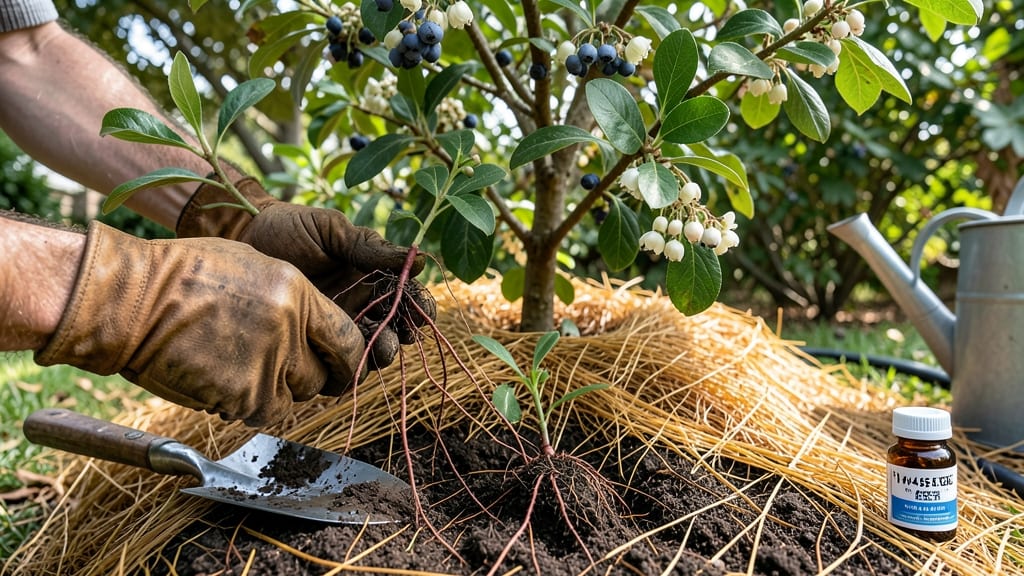
Planting blueberries in Zone 6 at the wrong time can turn your dream shrub into a struggling underdog—soil warmth and dormancy cycles are the hidden keys to success. 🫐 The late April to early June window isn't just a suggestion; it's when soil hits that critical 45°F mark, signaling roots to wake up and grow.
If you plant too early, those delicate roots might still be dormant, leaving your blueberry vulnerable to frost damage. Too late, and you risk summer heat stress before roots establish. I’ve seen firsthand how timing makes the difference between a bush that thrives and one that fights just to survive.
But here’s the good news: with the right approach, you can adjust for your microclimate—whether that means waiting for your last frost or prepping soil a little earlier. Let’s break down exactly what to do to set your blueberries up for a strong start and a bountiful harvest.
We’ll cover soil prep, frost risks, and even how mulching can give your plants a head start. By the end, you’ll know exactly when—and how—to plant for maximum yield in Zone 6.
Optimal planting window in Zone 6: soil temperature and dormancy breakdown
In Zone 6, timing your blueberry planting isn't just about avoiding frost—it's about waiting for the soil to warm enough to trigger root growth. The ideal window opens when soil temperatures consistently reach 45°F or higher, typically 4-6 weeks after your last frost date.
For most of Zone 6, this lands in late April to early June, but your exact timing depends on whether you're growing northern highbush or southern highbush varieties.
Northern highbush varieties (like Bluecrop or Patriot) need those warm soils to break dormancy and establish roots before summer heat arrives. Southern highbush (like Rabbiteye) can handle slightly warmer conditions but still benefit from planting when soil is workable.
The key is balancing soil warmth with frost risk—planting too early means fragile roots exposed to late frosts, while waiting too long delays root establishment.
Here’s the critical data: Blueberries require 100-150 chill hours (below 45°F) to break dormancy. In Zone 6, this usually happens by early spring, but the soil must be warm enough (50°F+) for roots to grow.
If you plant before soil warms, roots stay dormant, and your bush may struggle for years. Soil thermometers are your best friend here—aim for 50°F at a 4-inch depth before planting.
🌱 Zone 6 Blueberry Planting Timeline
| Stage | Action | Soil Temp | Notes |
|---|---|---|---|
| Dormancy Break | Soil warms to 45°F+ | 45°F+ | Chill hours satisfied |
| Planting Window | Late April–Early June | 50°F+ | After last frost |
| Root Establishment | 4–6 weeks post-planting | 60°F+ | Mulch to retain warmth |
| First Harvest | Year 3–4 | N/A | Full sun required |
Zone 6 gardeners often face late frosts in May, so monitor your local forecast closely. If frost is predicted within 2 weeks of planting, delay until conditions stabilize. Microclimates matter too—southern exposures warm faster than northern ones, and slopes dry out quicker.
For container-grown blueberries, you can plant 2 weeks earlier since pots warm faster than in-ground soil.
Another critical factor is soil pH. Blueberries thrive in acidic soil (pH 4.5–5.5), but cold soil slows root growth and microbial activity needed to break down amendments like peat moss or sulfur. Wait until soil is workable (not muddy) to amend—this usually aligns with your planting window.
If you test your soil and find it too alkaline, add amendments 4–6 weeks before planting to give them time to adjust.
For northern highbush varieties, like Jersey or Bluegold, the window is narrower—plant too early, and roots suffer from late frosts; too late, and summer heat stresses them before establishment. Southern highbush varieties (e.g., Climax) are more flexible but still need warm soil.
If you’re unsure, err on the side of planting slightly later—roots can handle heat better than cold snaps.
Pro tip: Use black plastic mulch in early spring to warm soil faster. Lay it down 3–4 weeks before planting to accelerate soil temperature rise. This is especially helpful in Zone 6a, where frosts linger longer. Just remove the mulch once planted to avoid overheating roots.
Finally, consider container planting if your ground stays too cold. Pots warm up 2–3 weeks faster than in-ground soil, giving you a longer planting window. Just ensure containers have drainage holes and use a well-draining acidic mix (like 50% peat moss, 30% pine bark, 20% perlite).
🌱
How to time your blueberry planting for maximum yield in Zone 6
Timing your blueberry planting in Zone 6 isn’t just about avoiding frost—it’s about aligning with the plant’s natural dormancy cycle and soil warmth triggers.
I’ve learned that planting too early risks root damage from cold soil, while waiting too long delays the critical 60-day root establishment before summer heat arrives. The sweet spot? Late April to early June, when soil hits 45°F+ and nighttime temps stay above 35°F.
Your local microclimate plays a huge role here. If you’re in a valley or low-lying area, late frosts can linger until mid-May, so I recommend waiting until May 15th for extra safety.
Meanwhile, hilltop gardens often warm up faster—sometimes by early April—but I still wait until soil temps stabilize to avoid shocking young roots.
Critical Timing Factors
- Soil Temperature: Plant only when soil reaches 45°F+ (use a soil thermometer for accuracy).
- Last Frost Date: Wait 4-6 weeks after your area’s average last frost (Zone 6: mid-April).
- Root Establishment: Blueberries need 60+ days of warm soil before summer heat arrives.
- Variety Matters: Northern highbush (blue) varieties need 800+ chill hours; southern highbush (green) tolerate 300-500 hours.
- Container Planting: Extends your window—plant 2-3 weeks earlier than in-ground for faster soil warming.
For container-grown blueberries, I’ve found you can plant 2-3 weeks earlier than in-ground varieties because pots warm up faster. Just ensure your containers have drainage holes and use a lightweight potting mix with peat moss to maintain acidity.
Pro tip: Place containers on black plastic mulch to absorb heat during the day and radiate it back at night.
After planting, focus on mulching to lock in soil warmth and moisture. I use 3-4 inches of pine straw or wood chips, keeping it 6 inches away from the stem to prevent rot.
This mulch layer can raise soil temps by 2-3°F, giving your blueberries that extra edge in Zone 6’s cooler springs. Water deeply once a week for the first month, then taper to bi-weekly once roots establish.
Watch for new leaf growth—this is your cue that roots are actively growing. If you planted in late May, your blueberry should have fully hardened off by summer, ready to handle Zone 6’s humidity and heat.
For fall planting (less ideal but possible), aim for late August to early September—just ensure the plant has time to establish roots before first frost (mid-October in Zone 6).
Remember, patience is key. Your first harvest won’t come until year 3 or 4, but proper timing now sets the stage for decades of blueberry bounty.
I’ve seen 20-year-old bushes in my garden that produce 20+ pounds of berries per season—all because I got the timing right from day one. 🫐