
Plants
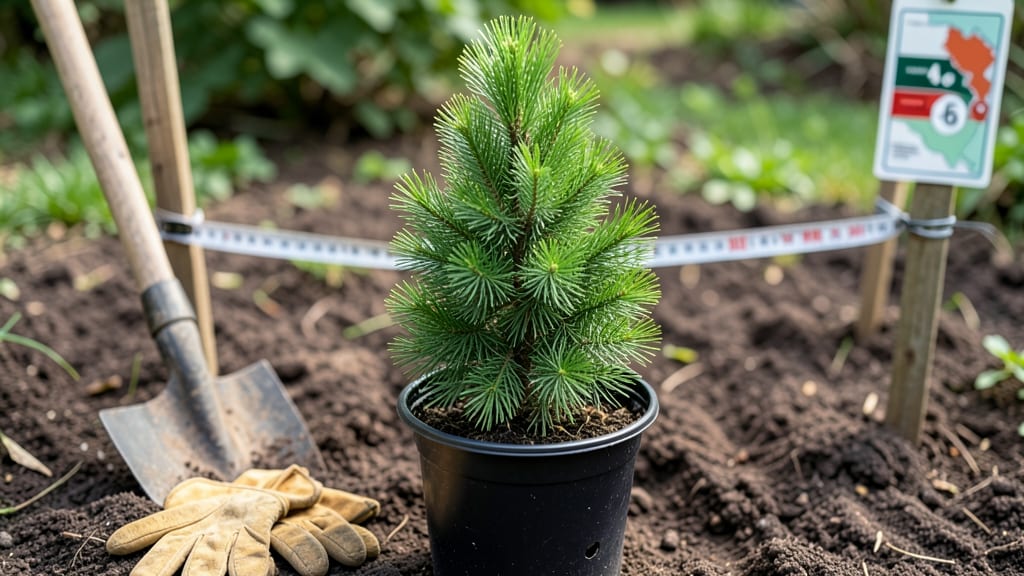
Planting arborvitae 🌲 at the wrong time in Michigan’s 5b-6b zones can mean the difference between a thriving evergreen and a sad, stunted shrub struggling to survive. The key window isn't just about seasons—it's about avoiding those brutal early frosts or scorching summer heat that can shock young roots.
Most gardeners assume spring is the only safe bet, but Michigan’s unpredictable climate actually gives you two prime opportunities: early spring (before buds swell) or fall (after leaves change).
I’ve seen arborvitae planted too late in spring wilt under summer stress, and those planted too early in fall get frozen before roots establish.
What you’ll discover here are the exact month-by-month guidelines tailored to Michigan’s microclimates—whether you’re in the Upper Peninsula’s cooler zones or the Lower Peninsula’s warmer pockets.
We’ll also cover soil prep secrets and post-planting care to give your arborvitae the best shot at becoming that lush, wind-resistant privacy screen you’re dreaming of.
Ready to skip the guesswork? Let’s dive into the science-backed timeline that’ll have your arborvitae growing strong for decades—not just surviving another Michigan winter.
Optimal planting months for arborvitae in Michigan’s USDA zones 5-6
Michigan’s USDA Zones 5-6 bring unique challenges for planting arborvitae, including sudden frost, heavy snow, and short growing seasons. Timing your planting right ensures your evergreen thrives instead of struggling.
The science-backed window focuses on two critical periods: early spring and fall, when soil temperatures and moisture align perfectly for root establishment.
Arborvitae are cold-hardy but need time to develop strong roots before Michigan’s first frost (typically mid-October). Planting too early exposes young roots to spring thaws and freezes, while late planting risks insufficient root growth before winter dormancy.
Let’s break down the ideal months and why they work best for your region.
🌱 SUMMARY TABLE: Arborvitae Planting Timeline for Michigan (Zones 5-6)
| Season | Planting Window | Soil Temp | Key Considerations | Root Establishment |
|---|---|---|---|---|
| Early Spring | March–April | 40–50°F | Avoid frost dates; soil thaws | 6–8 weeks before summer heat |
| Fall | September–October | 50–60°F | 6+ weeks before first frost | 8–10 weeks before winter dormancy |
| Late Spring | May (risky) | 55–65°F | Drought risk; high temps | Slow growth; stress vulnerability |
| Winter | November–February | Frozen | Root damage; transplant shock | Not recommended |
For spring planting, aim for March or early April when soil temperatures rise above 40°F. This gives roots 6–8 weeks to establish before Michigan’s summer heat stress.
Avoid late spring (May) unless you’re in Zone 6b, where frost dates are later—otherwise, you risk transplant shock from drought and heat.
Fall planting is often preferred because cooler temperatures reduce stress. Target September or early October, allowing 8–10 weeks of root growth before the first frost. If you plant in late October or November, young roots may not harden off in time, leaving your arborvitae vulnerable to winter desiccation.
Michigan’s Great Lakes influence creates microclimates—southern regions (like Detroit) can plant 1–2 weeks later than northern areas (like Traverse City). Always check your local last frost date (typically April 15 for most of the state) and plan accordingly.
For bare-root arborvitae, spring planting is ideal, while container-grown trees can handle fall better.
One critical mistake is assuming all arborvitae varieties have the same timeline. Dwarf varieties (like Emerald Green) establish faster than standard varieties (like American Arborvitae).
Adjust your window by 1–2 weeks for smaller types. Always water deeply after planting—10–15 gallons for young trees—to encourage root spread into the soil.
If you’re unsure about timing, late September is the safest bet for most of Michigan. This gives your arborvitae enough time to acclimate to cooler temps before winter. Pair planting with a 2–3 inch layer of mulch to retain moisture and protect roots from temperature fluctuations.
Avoid planting in extreme heat or cold, as both stress young trees.
Pro tip: Soak container-grown arborvitae for 10–15 minutes before planting to reduce transplant shock. If you’re in Zone 5b, prioritize fall planting—the shorter growing season demands earlier root establishment. For Zone 6b, both spring and fall work, but spring gives a slight edge for faster initial growth.
Remember, arborvitae roots grow best in well-draining, slightly acidic soil (pH 6.0–7.0). Amend heavy clay soils with compost or peat moss to improve drainage. After planting, stake only if necessary—over-staking can girdle the trunk
How Michigan’s microclimates affect arborvitae planting success
Michigan’s diverse microclimates create unique challenges for arborvitae planting. The Great Lakes moderate temperatures near shorelines, while inland areas experience more extreme winter cold and summer heat. These variations shift ideal planting windows by 2-4 weeks between regions.
Urban areas like Detroit face heat islands that delay spring planting by up to 10 days compared to rural Upper Peninsula sites. Meanwhile, sandy soils in northern Michigan dry out faster, requiring earlier fall planting to establish roots before frost.
🌲
| Factor | Lower Peninsula Impact | Upper Peninsula Impact | Adjustment Needed |
|---|---|---|---|
| Great Lakes Influence | Warmer springs near shorelines (plant 2 weeks earlier) | Cooler summers inland (plant 2 weeks later) | Check local frost dates |
| Soil Type | Clay soils (plant in fall for moisture) | Sandy soils (plant in early spring) | Amend soil with compost |
| Urban Heat Islands | Delay spring planting by 10 days (hotter microclimate) | No significant impact (cooler climate) | Use shade cloth for young plants |
| Winter Severity | Milder winters (plant late fall) | Harsher winters (plant early fall) | Mulch heavily in UP regions |
In the Lower Peninsula, aim for early April to mid-May or September to early October planting. The Great Lakes create a buffer against late frosts near shorelines, while inland areas should wait until soil temperatures reach 50°F consistently.
For the Upper Peninsula, shift planting to late April to May or August to September due to colder soils. The sandy soils common here dry out quickly, so watering becomes critical during establishment. Use mulch rings to retain moisture.
🌿
Always test your soil’s drainage before planting—arborvitae hate soggy roots. In urban areas, consider container planting for flexibility with microclimate shifts. For rural sites, bare-root trees planted in fall often outperform container-grown stock.