
Plants
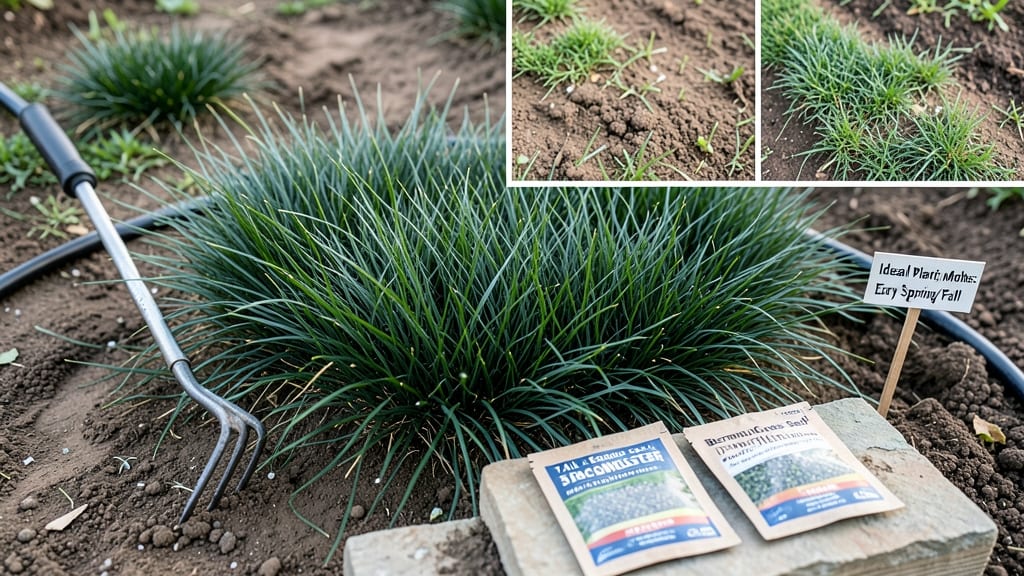
Planting grass in Georgia at the wrong time can turn your dreamy green lawn into a battleground against weeds, drought, or weak roots—especially in Heat Zone 8A. The secret to a thick, resilient turf isn’t just choosing the right seed; it’s knowing when to plant so your 🌱 thrives before summer’s brutal heat or winter’s chill sets in.
Most Georgia gardeners assume spring is the only window, but fall actually gives your grass a head start—cooler temps and consistent moisture help roots establish deeply before winter.
I’ve seen firsthand how a September planting can mean the difference between a patchy lawn and one that stays lush through 2024’s hottest months.
In this guide, I’ll break down the exact deadlines for spring vs. fall planting, soil prep tips to avoid common mistakes, and which grass types hold up best in Georgia’s climate.
Whether you’re seeding a new yard or overseeding an old one, these steps will save you time, money, and frustration.
Ready to skip the guesswork? Let’s dive into the best times to plant—and how to give your lawn the strong foundation it needs to survive Georgia’s extremes.
Georgia’s ideal grass planting windows: spring vs fall deadlines for heat zone 8A
Timing your grass planting in Georgia’s Heat Zone 8A is all about avoiding the brutal summer heat and early winter freezes. The two best windows are early spring (March-April) and early fall (September-October), but fall is often superior because cooler temps reduce stress while roots establish.
Let’s break down the exact deadlines, temperature thresholds, and which grass types thrive in each season.
For cool-season grasses like tall fescue and ryegrass, fall planting is ideal because they grow best in 60-75°F soil temperatures. These grasses can handle Georgia’s mild winters and will establish strong roots before dormancy.
Spring planting works too, but you’ll compete with weeds and summer heat stress if you’re late.
Warm-season grasses like bermuda and zoysia prefer spring planting (March-April) when soil warms to 65-75°F. Planting them in fall risks winterkill, though they can tolerate light frosts. The key is getting them in the ground 4-6 weeks before the last frost (typically mid-March in Zone 8A).
Here’s the comparison table for Georgia’s planting windows, including exact deadlines and soil temperature thresholds:
| Factor | Spring Planting (March-April) | Fall Planting (September-October) |
|---|---|---|
| Best For | Warm-season grasses (bermuda, zoysia, centipede) | Cool-season grasses (tall fescue, ryegrass, fine fescue) |
| Ideal Soil Temp | 65-75°F (March-April) | 60-75°F (September-October) |
| Planting Deadline | April 15 (before summer heat) | October 15 (4-6 weeks before frost) |
| Root Development | Slower due to summer heat | Faster with cooler temps |
| Weed Competition | High (spring weeds) | Low (fall weeds minimal) |
| Watering Needs | High (daily until established) | Moderate (weekly) |
Fall planting is my top recommendation for Georgia’s climate because the cooler temps reduce water needs and weed pressure. Your grass will establish deeper roots before winter, giving it a head start in spring.
Plus, you avoid the summer heat stress that can scorch new seedlings planted in late spring.
If you’re planting in spring, aim for March 15-April 15 when soil temperatures rise above 65°F. This gives warm-season grasses time to germinate before the dog days of summer. Just be prepared for aggressive weed competition—pre-emergent herbicides applied 2-3 weeks before planting can help.
For cool-season grasses, fall is non-negotiable. Plant between September 15-October 15 to ensure roots establish before the first frost (usually mid-November in Zone 8A). These grasses will green up early in spring and stay lush through Georgia’s mild winters.
Pro tip: Use a soil thermometer to confirm temperatures—60-65°F is ideal for germination. If your soil is too cold or too hot, wait a few days. Patience now means a thicker, healthier lawn later.
Miss these windows, and you’ll face patchy growth, shallow roots, or even failed germination. But nail the timing, and you’ll have a lush, resilient lawn that handles Georgia’s heat and humidity like a pro. 🌱
Critical factors that determine your planting success in Georgia’s climate
Georgia’s Heat Zone 8A climate creates unique challenges for grass planting. Unlike air temperature, soil temperature is the real game-changer—cool enough for germination but warm enough to avoid early frost risks. My first lesson? Soil at 60-65°F is your sweet spot, not the air thermometer reading.
This means waiting until late March to early April for spring planting or locking in by mid-September for fall.
Another critical factor is rainfall patterns. Georgia’s humid summers can drown new seedlings, while fall droughts (yes, they happen!) leave them thirsty. I’ve learned to check the 7-day forecast before planting—aim for consistent moisture without standing water. Drought-tolerant varieties like Bermuda or Zoysia are my go-to for summer resilience.
Here’s what you must prioritize before planting:
Soil Temperature Check: Use a soil thermometer (not air temp!)—plant when soil hits 60-65°F for 5+ days. Spring: late March-early April; Fall: September 15-October 15.
Rainfall Forecast: Avoid planting during predicted droughts (check NOAA’s 7-day outlook). Fall is riskier—irrigate immediately if rain skips 3+ days.
Soil Prep: Test pH (6.0-7.0 ideal) and amend with compost or lime. Till 2-3 inches deep to loosen compacted clay (common in Georgia).
Weed Barrier: Lay landscape fabric under seed (not sod) to block weeds. Skip this for hydroseeding—it includes pre-emergent.
Frost Buffer: Plant 4-6 weeks before first frost (usually November 15). For fall, aim for September 15 to give roots time to anchor.
Don’t overlook early freeze risks in Georgia’s transition seasons. I’ve seen unseasonable cold snaps in October derail fall plantings. Use a frost cloth for the first 2 weeks post-planting if nights dip below 40°F.
For spring, late April plantings risk summer heat stress—stick to March for cool-season grasses like Tall Fescue.
Pro tip: Mulch lightly (¼ inch of straw) after planting to retain moisture without smothering seeds. I’ve found this cuts watering needs by 30% during Georgia’s dry spells. Pair it with drip irrigation on a timer for consistency—no guesswork!
Finally, choose the right grass type for your microclimate. Shade-tolerant options like Fine Fescue thrive under trees, while Bermuda dominates sunny, dry areas. My go-to for Georgia? Tifway 419 Bermuda (warm-season) or Kentucky Bluegrass (cool-season) for versatility.