
Plants
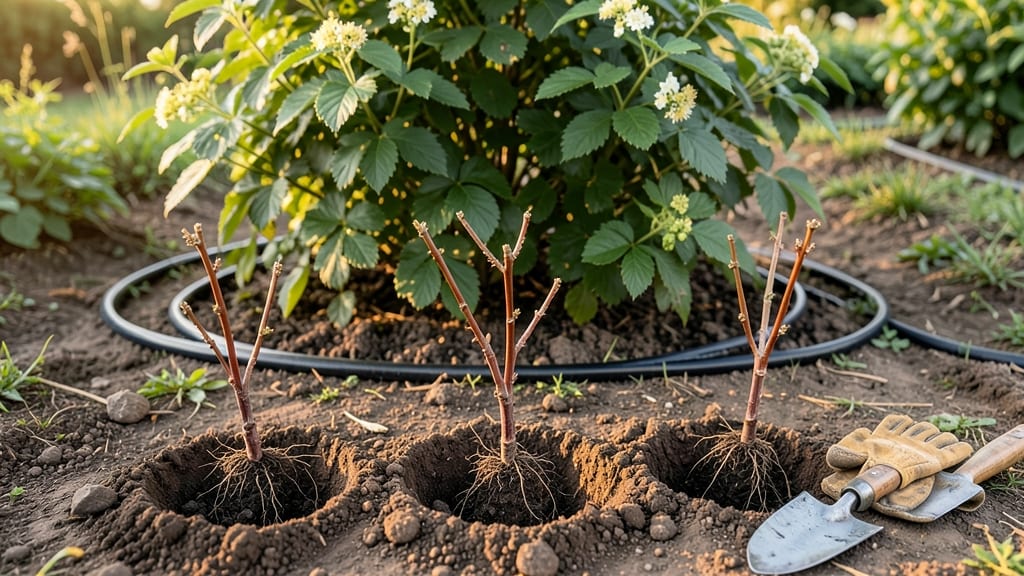
Planting blackberries in Texas isn't a one-size-fits-all task—get the timing wrong, and you could lose your entire crop to frost or stifling summer heat.
Whether you're in the chillier North Texas hills or the balmy Rio Grande Valley, knowing when to plant blackberries makes all the difference between a thriving 🫐 bush and a disappointing harvest.
Most gardeners in Texas' 8a-10b zones reach for their shovels in late winter or early spring, but that's not always the best move. The key lies in understanding your region's chill hours—North Texas needs more cold exposure than South Texas, which can handle heat-tolerant varieties planted later.
I'll break down the exact windows that work for each zone so you can plant with confidence.
You might think planting in February is safe for everyone, but in South Texas, that could mean battling early heat stress. Meanwhile, North Texas gardeners risk frost damage if they wait too long.
The right timing also depends on whether you're growing primocane varieties (which fruit on new growth) or floricane types (which need winter dormancy). Let me show you how to match your blackberries to your microclimate.
Ready to avoid common mistakes and maximize your harvest? We'll cover soil prep, variety selection, and even container planting tips for small spaces. By the end, you'll know exactly when to dig in—no more guesswork, just bigger, sweeter blackberries all season long.
Best planting months for blackberries in Texas by chill-hour requirements
Texas stretches across multiple USDA hardiness zones, from 6a in the Panhandle to 10b in the Rio Grande Valley, creating wildly different chill-hour requirements for blackberries. In North Texas (600+ chill hours), you’ll need cold-hardy varieties, while South Texas (300-600 chill hours) thrives with heat-tolerant types.
The key? Planting in the right window ensures strong root establishment before summer’s brutal heat.
For North Texas gardeners (think Amarillo or Lubbock), the ideal planting window is late February to early March, right after the last expected frost (typically mid-February). This gives canes 6-8 weeks to establish roots before summer’s 100°F+ temperatures arrive.
In Central Texas (Austin, San Antonio), shift planting to mid-March to avoid early spring freezes.
Southern Texas (Houston, Corpus Christi, and below) has warmer winters and longer growing seasons, making April planting the safest bet. The heat-loving varieties here (like 'Ouachita') handle summer’s intensity better, but they still need 4-6 weeks of root growth before peak heat hits in June-July.
Avoid planting in summer—blackberries hate transplant shock in extreme heat.
| Texas Region | USDA Zones | Chill Hours | Best Planting Month | Recommended Varieties |
|---|---|---|---|---|
| North Texas | 6a-7b | 600+ | Late February - Early March | Arapaho, Navaho, Chester |
| Central Texas | 8a-8b | 300-600 | Mid-March | Apache, Kiowa, Ouachita |
| South Texas | 9a-10b | 0-300 | April | Ouachita, Natchez, Prime-Ark Freedom |
🌱 Pro Tip: Test soil temperature with a thermometer—plant when it hits 60°F for 2+ days.
If you’re in North Texas, prioritize primocane varieties like 'Arapaho', which produce fruit on current season’s canes. These thrive in cooler climates and give you two harvests per year—one on floricane (old wood) and one on primocane (new wood).
In South Texas, floricane types like 'Natchez' dominate, bearing fruit on second-year canes and handling heat better.
For container growing (great for urban Texas gardeners), plant in late March regardless of region. Containers heat up faster than ground soil, so use black pots to absorb warmth and self-watering systems to prevent drought stress.
Choose dwarf varieties like 'Prime-Ark Freedom'—they top out at 4-5 feet and fit well in 5-gallon containers.
One critical rule across all Texas regions: Never plant bare-root canes in summer. The root zone dries out in 100°F+ heat, and blackberries struggle to recover.
Instead, opt for potted plants or bare-root canes in winter (November-December) for spring planting. This gives roots 6+ months to establish before summer’s stress.
Soil prep is half the battle in Texas. Blackberries hate soggy soil but need consistent moisture. Amend native clay with compost and sand to improve drainage, and test pH (5.5-6.5).
In alkaline Texas soils, add sulfur or peat moss to lower pH. Mulch heavily with wood chips to retain moisture and regulate soil temperature.
Finally, trellising is non-negotiable in Texas. Without support, canes flop in summer storms or shade out lower leaves, increasing disease risk. Use T-posts with wire trellis or strong wooden stakes.
Train canes to spiral upward for better airflow and easier harvesting. In windy North Texas, add guy wires for extra stability.
Timing your blackberry planting right means the difference between a bountiful harvest and a struggling plant. Follow these region-specific windows, and you’ll be enjoying fresh berries by late spring—just in time for Texas’ scorching summers! 🫐
Best planting months for blackberries in Texas by chill-hour requirements
Texas' diverse climate zones mean blackberry planting windows vary dramatically. In North Texas (USDA Zones 7b-8a), where chill hours exceed 600 hours, late winter to early spring is ideal. Meanwhile, South Texas (Zones 8b-10a) with 300-600 chill hours allows for summer planting to avoid extreme summer heat.
For northern regions, aim to plant bare-root canes in February or early March—after the last frost but before soil warms beyond 60°F. In South Texas, summer planting (June-July) works best for primocane varieties that thrive in heat.
Chill-hour needs dictate variety selection. Floricane types (like 'Arapaho') need 600+ chill hours for winter dormancy. Primocane types (like 'Navaho') adapt to 300-600 chill hours and fruit on new growth.
| Region | Chill Hours | Best Planting Window | Variety Recommendations |
|---|---|---|---|
| North Texas (7b-8a) | 600+ hours | Late Feb - Early Mar | 'Arapaho', 'Cheyenne', 'Ouachita' |
| Central Texas (8a-8b) | 300-600 hours | Early Mar - Late Apr | 'Navaho', 'Prime-Ark Freedom' |
| South Texas (8b-10a) | 300-600 hours | June - July | 'Prime-Ark Traveler', 'Chester' |
In North Texas, soil temperatures below 50°F delay planting. Use row covers if early planting is necessary. South Texas gardeners should avoid summer planting during peak heat (July-August) to prevent stress.
For container planting, adjust timing by 2-4 weeks later to account for slower soil warming. Containers also help extend growing seasons in cooler microclimates like the Texas Hill Country.
Always test soil pH (5.5-6.5) before planting. Amend with sulfur if needed, especially in alkaline South Texas soils. Mulch heavily after planting to retain moisture in both regions.