
Plants
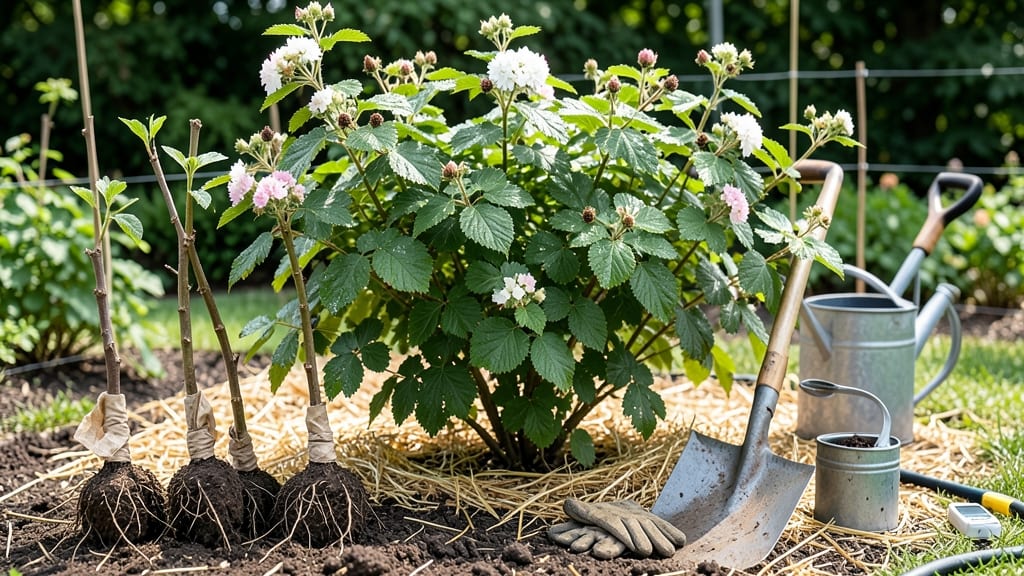
Planting your 🫐 blackberries at the wrong time in Colorado can mean the difference between a thriving bramble and a sad, frost-bitten disappointment. With USDA Zones 5-7 and wildly different microclimates—from Denver's urban heat islands to the high-altitude chill of the Rockies—timing matters more than most gardeners realize.
The key is understanding your local frost dates and soil conditions, because blackberries need 60-120 days of warm weather to produce fruit.
Whether you're in the Front Range or the Western Slope, I'll show you exactly when to plant for maximum success, plus how to prep your soil and choose the right varieties for your elevation.
You might think spring is the only option, but fall planting can actually give your blackberries a head start. I'll break down the best months for your specific region, including how to protect young canes from late-season frosts that can wipe out your investment.
Let's get your blackberries off to the right start—because with the right timing and care, you could be harvesting sweet, juicy berries by mid-summer. Ready to learn the Colorado-specific secrets?
Optimal planting months for Colorado blackberries by microclimate Zone
Colorado’s diverse microclimates create unique challenges for blackberry growers. The Front Range (Denver, Boulder) has USDA Zones 5-6, while the Western Slope (Grand Junction) sits in Zone 6-7. Meanwhile, the Eastern Plains (Pueblo, Lamar) face Zone 5-6 extremes, and Mountain Regions (Aspen, Leadville) operate in Zone 4-5.
Timing your planting to these zones ensures your blackberry canes establish roots before winter’s harsh freeze.
For Front Range gardeners, the best planting window spans from late March to early May, aligning with the last average frost date of April 15. In the Western Slope, where winters are milder, you can plant as early as late February or extend into early June.
These adjustments prevent frost damage while maximizing root growth before summer’s heat.
In the Eastern Plains, where soil temperatures warm more quickly, aim for mid-April to early June. Mountain regions require patience—plant in late May to early July to avoid late spring frosts that can kill tender new growth.
Early fall planting (August-September) is also viable across all zones, giving canes time to root before winter.
Here’s a quick comparison of planting windows by Colorado region:
| Region | USDA Zone | Spring Planting Window | Fall Planting Window | Key Consideration |
|---|---|---|---|---|
| Front Range | 5-6 | Late March–Early May | August–Early September | Wait for soil temps >55°F |
| Western Slope | 6-7 | Late February–Early June | Late August–Mid-September | Milder winters allow earlier starts |
| Eastern Plains | 5-6 | Mid-April–Early June | Late August–Early September | Dry soil warms faster; water deeply |
| Mountain Regions | 4-5 | Late May–Early July | Late July–Early August | Avoid late frosts; use row covers |
In the Front Range, where last frost dates can vary by weeks, monitor local forecasts or use CoCoRaHS data for precise timing. For example, Denver’s average last frost is April 15, but Boulder’s can be as late as May 1.
Planting too early risks frost damage to emerging canes, while waiting too long may stunt root development before summer’s heat.
For Western Slope gardeners, the longer growing season (Zone 6-7) allows flexibility. Start as early as late February if soil temperatures exceed 55°F. This early start gives canes a 6-8 week head start before summer’s intense sun.
In Grand Junction, where summers are hot and dry, focus on deep watering to prevent stress.
On the Eastern Plains, soil moisture is critical. The region’s low humidity and high winds dry out soil quickly, so plant in mid-April when moisture levels are stable.
Use mulch to retain water and protect roots from temperature swings. Varieties like ‘Natchez’ thrive here due to their drought tolerance.
Mountain regions like Aspen or Leadville (Zones 4-5) demand patience. Plant in late May after the last frost risk has passed. Use black plastic mulch to warm soil faster and extend the season.
For early fall planting, aim for late July to allow 6-8 weeks of root establishment before winter.
Regardless of your Colorado microclimate, always amend soil with compost before planting. Blackberries prefer well-draining, slightly acidic soil (pH 5.5-6.5). After planting, water deeply and apply 2-3 inches of mulch to retain moisture and suppress weeds. This preparation ensures your blackberry canes thrive year-round.
🌱
Optimal planting months for Colorado blackberries by microclimate Zone
Colorado’s diverse microclimates mean your blackberry planting window can vary by up to 6 weeks depending on where you live. The Front Range (Denver, Boulder) typically has later frost dates than the Western Slope (Grand Junction, Durango) or Eastern Plains (Pueblo, Colorado Springs).
Always check your local USDA Zone (5-7) and average last frost date—usually between April 15 (low elevations) and May 15 (high elevations).
For spring planting, aim for late April to early May once soil temperatures hit 55-65°F.
This gives your canes 8-10 weeks to establish roots before summer heat. Fall planting (August-September) is ideal for high-altitude areas (Zone 5) where summers are short—plant 6-8 weeks before first frost to allow root growth without encouraging tender new shoots.
🌱
| Region | USDA Zone | Spring Planting Window | Fall Planting Window | Key Consideration |
|---|---|---|---|---|
| Front Range (Denver, Boulder) | 6-7 | Late April - Early May | Mid-August - Early Sept | Urban heat islands delay frost |
| Western Slope (Grand Junction) | 7-8 | Early April - Mid-May | Late July - Early Aug | Arid climate needs irrigation |
| Eastern Plains (Pueblo) | 5-6 | Mid-May - Early June | Late August - Mid-Sept | Wind protection required |
| Mountain Regions (Aspen, Telluride) | 4-5 | June - Early July | Early Sept - Mid-Oct | Short growing season |
If you're in Zone 5 (like northern Colorado), prioritize fall planting—it gives your blackberries a head start before winter dormancy. For Zone 7 areas (southern Colorado), spring planting works best to avoid late-season heat stress.
Always test your soil’s moisture retention before planting—blackberries hate soggy roots but need consistent water during establishment.
Pro tip: Use CoCoRaHS (Community Collaborative Rain, Hail & Snow Network) to track your local frost dates—Colorado’s microclimates can shift frost timelines by 2-3 weeks just a few miles apart. For example, Denver might average April 25 for last frost, while Fort Collins could see frost until May 10.
🌡️