
Plants
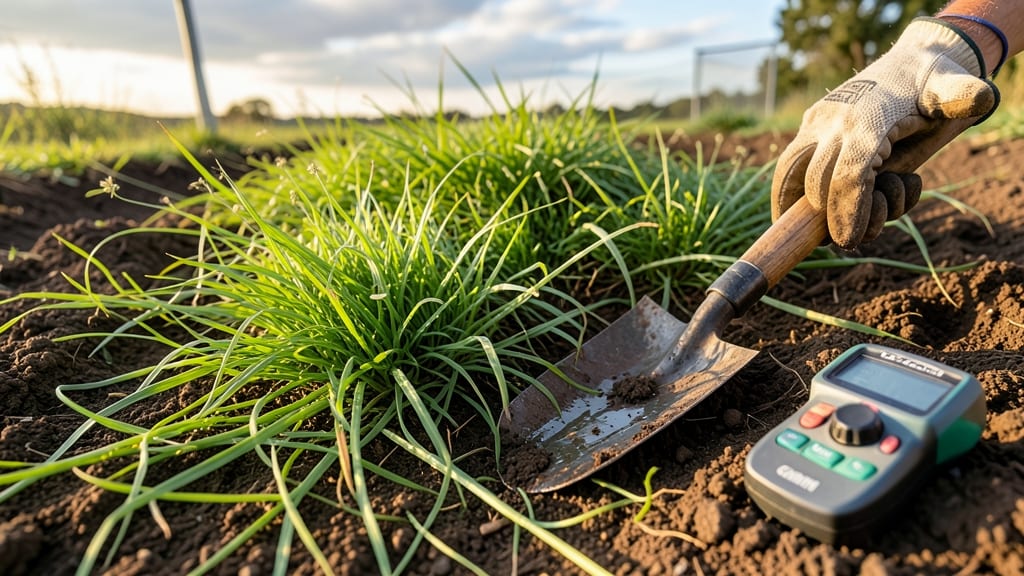
Planting Bermuda grass in South Carolina at the wrong time can turn your dream of a vibrant lawn into a frustrating wait—or worse, a failed project. This fast-spreading grass 🌱 thrives when planted after the last frost, but getting the timing right means more than just checking a calendar.
In USDA Zone 8a, where temperatures warm quickly, the ideal window stretches from late April through June, but coastal areas and inland regions behave differently. Too early, and cold snaps can stall growth; too late, and summer heat may stress young plants before they take root.
I’ve seen firsthand how fast establishment hinges on soil temperature—aim for at least 65°F—and regional microclimates that can shift planting by weeks. Whether you’re in Charleston’s humidity or the Upstate’s cooler mornings, the right timing ensures your Bermuda grass doesn’t just survive, but thrives.
Let’s break down exactly when to plant for your specific corner of South Carolina, plus the soil prep and care tricks that make all the difference. Your lawn’s transformation starts now.
Optimal planting windows for Bermuda grass in SC by region
South Carolina’s three distinct regions—Coastal, Piedmont, and Upstate—each demand different timing for planting Bermuda grass. The difference between these zones can be 2-4 weeks in ideal planting windows, making local knowledge critical.
Unlike cool-season grasses, Bermuda thrives in warm soil and struggles with early spring frosts, which is why I’ve broken down the perfect windows for each region.
For all regions, the golden rule is to wait until the soil temperature reaches 65°F (18°C) at a depth of 4 inches. This ensures consistent germination and avoids the patchy growth that comes from planting too early.
Coastal areas warm faster, while Upstate regions often lag behind due to higher elevations and cooler nights.
A common mistake I see is planting Bermuda grass in late spring (May-June) without checking soil temps. While this might work in Coastal SC, Upstate areas can still experience late frosts that kill tender sprouts.
The tradeoff? Planting too early in cooler zones risks slow germination and weak seedlings, while delaying too long can mean missing the optimal summer growth window.
Here’s how to align your planting with your SC region for maximum success:
In the Coastal region, you can start as early as mid-April if your soil hits 65°F by early April. The warmer, humid air helps Bermuda grass germinate quickly, but be ready to water deeply to prevent fungal issues from excess moisture.
I’ve seen Coastal lawns establish in just 14-21 days when planted at the right time.
For Piedmont gardeners, aim for late April to early May. This region’s sandy soils warm faster than Upstate but can also dry out quickly. A trick I use is to cover seeds lightly with straw mulch to retain moisture without overheating the soil.
The tradeoff here is balancing early planting (risk of frost) with delaying (missing peak growth months).
The Upstate’s cooler climate often means waiting until mid-May or even June. While this seems late, it’s the only way to guarantee consistent germination. Upstate areas can still see frost until early May, so I recommend using a soil thermometer to confirm 65°F before planting.
The reward? A thicker, more resilient lawn that handles Upstate’s hot summers better than early-planted grass.
Pro tip: If you’re torn between early spring and late spring planting, consider sod instead of seed. Sod establishes 3x faster and is less sensitive to temperature fluctuations.
For seed, late spring planting (May-June) often yields better results in Upstate SC, even if it means a slightly later start to summer green-up.
Regardless of your region, avoid planting Bermuda grass after June 15. By this point, the intense summer heat can stress young seedlings, and establishment slows dramatically. Instead, focus on soil prep and weed control in early summer to create the perfect foundation for fall overseeding if needed.
Remember, Bermuda grass is a warm-season grass, so the goal is to get it rooted deeply before summer’s peak. With the right timing, you’ll have a dense, drought-resistant lawn that stays green through SC’s brutal summers. 🌱
Optimal planting windows for Bermuda grass in SC by region
South Carolina’s three distinct microclimates—Coastal, Piedmont, and Upstate—each demand different timing for Bermuda grass planting.
Coastal areas warm up faster, while inland regions need to wait for consistent soil temperatures. Last frost dates vary: Charleston typically sees its last frost by March 15, while Greenville may wait until April 1. Always plant after these dates to avoid frost damage.
For fastest germination, aim to plant when soil temperatures reach at least 65°F (18°C). Use a soil thermometer to check—this usually happens in late April to early May in most of SC.
In the Upstate, wait until mid-May to avoid cooler nights that slow growth. Coastal regions can start as early as late March, but be prepared for summer heat arriving sooner.
| Region | Last Frost Date | Ideal Planting Window | Soil Temp Threshold | Key Consideration |
|---|---|---|---|---|
| Coastal (Charleston, Hilton Head) | March 15 | Late March - Early April | 65°F+ | Humidity speeds growth; monitor for fungal risks |
| Piedmont (Columbia, Rock Hill) | March 31 | Mid-April - Early May | 68°F+ | Sandy soils dry faster; water deeply |
| Upstate (Greenville, Spartanburg) | April 15 | Late April - Mid-May | 70°F+ | Cooler nights slow early growth |
Early spring planting (March-April) offers faster summer coverage but requires vigilance against late frosts and fungal diseases in humid coastal areas.
Late spring planting (May-June) reduces disease risks but may leave lawns vulnerable to summer weeds. June is the absolute latest for planting—after that, Bermuda struggles to establish before winter dormancy.
If you’re in a shady or high-humidity area, consider late May planting to avoid fungal issues. Use a soil thermometer to confirm readiness—consistent 65°F+ soil temps are non-negotiable for germination. Coastal gardeners should also mulch heavily to retain moisture in sandy soils.
Pro tip: Seed vs. sod changes timing slightly. Sod can be laid as late as June 15 in most of SC, while seeds need the earlier window. Sod establishes faster but costs more upfront. Weigh your options based on your lawn’s current state and budget.
Remember, Bermuda grass is aggressive once established—planting at the right time means fewer weeds and less maintenance long-term. Don’t rush; patience now pays off with a thick, drought-resistant lawn by summer. 🌱