
Companion Plants
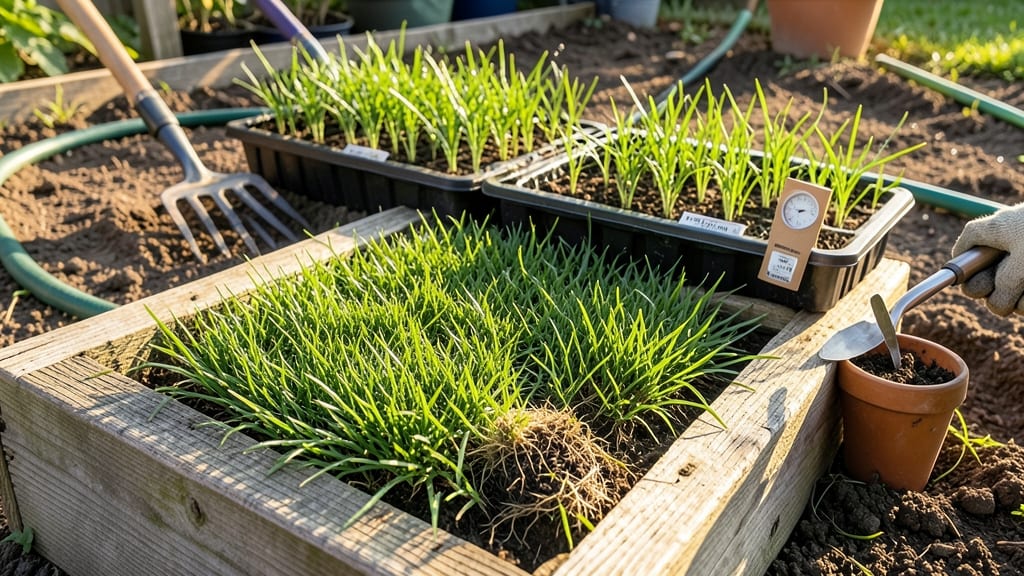
Planting Bermuda grass seed in Texas at the wrong time can mean slow germination, weak growth, or even total failure—so timing is everything for a lush, drought-resistant lawn.
If you're dreaming of a fast-germinating, heat-loving lawn, you'll want to nail the late spring to early summer window when soil temperatures hit at least 65°F. This is when 🌱 Bermuda grass truly thrives in Texas' 8a-10b zones, whether you're in North or South Texas.
But here's the catch: planting too early risks frost damage, while waiting too late can leave your lawn vulnerable to summer heat stress. I'll break down exactly when to plant based on your specific Texas region and how to prepare your soil for maximum success.
Let's dive into the key factors that determine the perfect planting time—so you can skip the guesswork and get that vibrant green lawn established quickly and efficiently.
Best planting windows for Bermuda grass seed in Texas heat zones
Texas's extreme heat and varied climate make timing critical for Bermuda grass seed success. Plant too early, and frost can kill seedlings; too late, and summer drought stifles germination.
The key is aligning your planting with soil temperatures and heat zone—whether you're in North Texas's cooler hills or South Texas's sweltering plains.
Bermuda grass thrives in USDA zones 8a-10b, but within Texas, the optimal planting windows shift dramatically. North Texas (zones 7b-8a) has a narrower window, while South Texas (zones 9a-10b) can stretch planting later into summer.
Let’s break down the best times for each region to ensure your lawn gets a strong start.
⚠️ NON-NEGOTIABLE: Always check soil temperature—Bermuda grass needs 65°F+ for germination. Use a soil thermometer or wait until nighttime lows stay above 55°F consistently.
| Texas Heat Zone | Primary Planting Window | Secondary Window | Soil Temp Requirement | Key Consideration |
|---|---|---|---|---|
| North Texas (Zones 7b-8a) | Late April - Early June | Late July - Early August | 65°F+ (consistent) | Avoid May heat spikes; frost risk until mid-April. |
| Central Texas (Zones 8a-8b) | Early April - Mid-June | Mid-July - Late August | 68°F+ (ideal for fast germination) | Hill Country areas may need earlier starts. |
| South Texas (Zones 9a-10b) | Mid-March - July | September (limited success) | 70°F+ (humidity helps germination) | Longer window due to warmer winters; monitor for fungal risks. |
In North Texas, aim for late April to early June when soil warms enough to support germination without the brutal May heat. If you miss this window, a late summer planting (July-August) can work, but you’ll need to water aggressively to combat drought stress.
Central Texas gardeners have the most flexibility, with early April to mid-June as the prime window. The Hill Country may need to start slightly earlier (late March) to avoid the scorching June sun.
For a second chance, mid-July to late August is viable if you’re prepared for daily watering.
South Texas’s warmer climate extends the window to mid-March through July. Here, humidity aids germination, but watch for fungal diseases like brown patch in the steamy summer months. A September planting is possible but risky—seedlings may struggle as temperatures drop.
Pro tip: For faster germination, soak seeds in water for 24 hours before planting. This is especially helpful in dry North Texas where seeds can dry out quickly in the wind. After planting, cover with straw mulch to retain moisture and protect seedlings from bird predation.
Once your Bermuda grass is established (typically 4-6 weeks after planting), it becomes drought-tolerant and thrives in Texas’s heat. But getting there starts with perfect timing—so mark those calendar dates and prepare your soil now!
🌱
Best planting windows for Bermuda grass seed in Texas heat zones
Texas's diverse climate means your Bermuda grass planting window varies dramatically from North Texas to the Gulf Coast. In Zone 8a (Panhandle, North Texas), aim for late April to early May when soil temps hit 65°F+.
Meanwhile, South Texas (Zones 9a-10b) can plant as early as mid-March—but only if nighttime temps stay above 55°F.
For Central Texas (Austin, San Antonio), the sweet spot is mid-April to early June. This aligns with peak rainfall and avoids late-summer heat stress during germination. Urban areas like Dallas may need to wait until May due to heat island effects raising soil temps faster.
🌱
| Texas Region | USDA Zone | Best Planting Window | Soil Temp Requirement | Key Consideration |
|---|---|---|---|---|
| North Texas (Dallas, Fort Worth) | 8a-8b | Late April - Early May | 65°F+ consistently | Avoid late frosts (common until mid-April) |
| Central Texas (Austin, San Antonio) | 8a-9a | Mid-April - Early June | 60°F+ minimum | Hill Country has cooler nights—plant slightly later |
| South Texas (Houston, Corpus Christi) | 9a-10b | Mid-March - Late April | 55°F+ nighttime temps | Humidity speeds germination—water lightly daily |
| West Texas (El Paso, Lubbock) | 8a | Early May - Mid-June | 70°F+ (dry heat) | Water deeply 2x/week until established |
Pro tip: Use a soil thermometer to confirm readiness—Bermuda grass seeds won’t germinate below 60°F. In East Texas (like Tyler), aim for late April when Spanish moss starts dropping (a natural humidity indicator).
For late-summer planting (August-September), focus on South Texas where hurricane season brings beneficial rainfall. North of I-30, this window risks overheating young seedlings—stick to spring for best results.
💧
Remember: Establishment takes 6-8 weeks in Texas heat. Planting too late means weaker roots before fall dormancy sets in. Use shade cloth for the first 2 weeks if temps exceed 95°F during germination.