
Plants
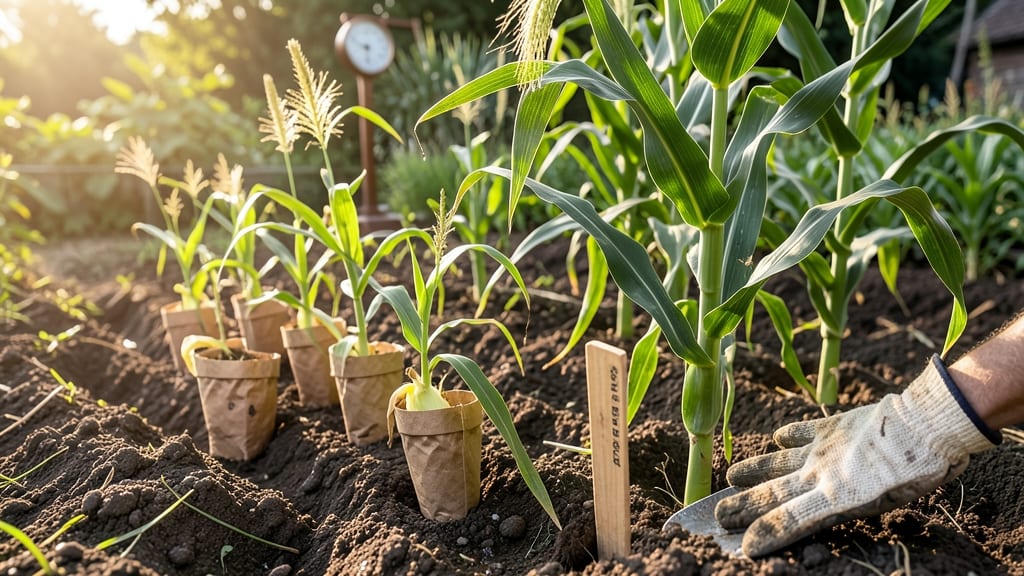
Planting corn in South Carolina at the wrong time can mean the difference between a bumper crop of sweet, juicy ears and a sad, stunted 🌽 disappointment.
The key to success lies in understanding when the soil warms up enough to support strong seedling growth—typically after the last frost and once temperatures hit 60°F.
For gardeners in USDA Zone 7b-8a, timing is everything: mid-April to early June is your best window to get those seeds in the ground. But here’s the catch—planting too early risks frost damage, while waiting too long might mean your corn matures just as summer cools down.
Let’s break down the perfect schedule so you can enjoy fresh corn straight from your garden all the way through October.
You don’t need to be a farming expert to get this right. With the right soil prep, a little patience, and the knowledge of when to plant, you’ll be harvesting plump, flavorful corn that rivals anything you’ve ever bought at the store.
Ready to learn the secrets to a thriving corn patch?
Whether you’re a seasoned gardener or just starting out, these insights will help you avoid common mistakes and set your corn up for success. Let’s dive into the best practices for planting corn in South Carolina’s climate.
Optimal planting windows for corn in South Carolina Heat Zone 8a
South Carolina’s Heat Zone 8a offers a perfect growing window for corn, but timing is critical. Corn thrives in warm soil and air temperatures, so planting too early risks frost damage, while waiting too long can lead to poor yields before fall frosts.
The ideal window balances these factors to ensure healthy growth and abundant harvests.
For most sweet corn varieties, the best time to plant is between mid-April and early June. This aligns with soil temperatures reaching 60°F or higher, a threshold corn seeds need to germinate reliably.
Inland areas of SC typically warm up faster than coastal regions, so adjust your schedule accordingly.
Soil temperature is your best guide—use a soil thermometer to confirm readiness. Corn seeds won’t sprout well in cold soil, even if air temperatures seem warm. Aim for consistent 60°F+ soil temps for at least 10 days before planting to ensure strong germination.
| Planting Window | Soil Temp Requirement | Variety Recommendation | Harvest Window |
|---|---|---|---|
| Mid-April to late April | 60-65°F | Early varieties (e.g., 'Silver Queen', 'Ambrosia') | Late July to early August |
| Early May | 65-70°F | Mid-season (e.g., 'Peaches and Cream', 'Bodacious') | Mid-August to early September |
| Late May to early June | 70°F+ | Late varieties (e.g., 'Golden Bantam', 'Country Gentleman') | Late September to October |
| Late June (coastal only) | 70°F+ | Heat-tolerant (e.g., 'Early Sunglow') | Late October (risky) |
🌽 SC Heat Zone 8a Planting Guide
Early varieties like 'Silver Queen' are perfect for mid-April plantings because they mature quickly—typically in 60-70 days. These are ideal if you’re concerned about late-season frosts or want to extend your harvest window. Plant them in blocks rather than rows to ensure good pollination.
For mid-season varieties like 'Peaches and Cream,' aim for early May plantings. These take 75-85 days to mature, giving you a longer harvest window from mid-August through September. This timing also allows for a second planting in late May if you want to stagger your harvest.
Late varieties such as 'Golden Bantam' should be planted in late May or early June. These take 90-110 days to mature, pushing your harvest into late September or October. While this extends your season, it also increases frost risk—monitor weather forecasts closely and consider row covers if needed.
Fall planting is not recommended in SC’s Heat Zone 8a, as corn requires long, warm days to develop properly. Any fall plantings would likely result in poor growth or no harvest before the first frost, typically around mid-November. Save your efforts for spring and early summer.
If you live in coastal SC, where temperatures rise more slowly, delay planting by 1-2 weeks compared to inland areas. Coastal regions also experience more humidity, which can increase fungal diseases—choose disease-resistant varieties like 'Ambrosia' to mitigate risks.
To maximize your corn yield, stagger plantings every 2 weeks between mid-April and early June. This ensures a continuous supply of fresh ears rather than one large harvest.
For example, plant one block in mid-April, another in early May, and a final block in late May for a 3-month harvest window.
Always check your last frost date—typically around March 15 in SC—and wait at least 2 weeks after this date before planting. Corn is sensitive to cold snaps, so don’t rush the process. Patience now means bigger, sweeter ears later!
How to prepare your garden for corn planting in South Carolina
Before you even think about dropping corn seeds into your South Carolina garden, proper preparation is key. Corn thrives in well-draining soil with a pH between 6.0-6.8, and SC’s Heat Zone 8a demands extra attention to timing and soil health.
Start by clearing your planting area of weeds and debris—corn plants need space to grow tall and strong without competition.
Next, enrich your soil with aged compost or a balanced fertilizer like 10-10-10. Corn is a heavy feeder, so don’t skimp on nutrients. Work the compost into the top 6-8 inches of soil to ensure roots have access to nutrients throughout the growing season.
This step is especially critical if your soil is sandy, which is common in many parts of SC.
Once your soil is ready, it’s time to think about spacing requirements. Corn plants need room to grow—aim for 12-18 inches apart in rows spaced 30-36 inches apart. This spacing prevents overcrowding, which can lead to poor air circulation and increased disease risk.
If you’re growing sweet corn varieties, consider planting in blocks rather than single rows to improve pollination.
Don’t forget about companion planting! Corn pairs well with beans, squash, and cucumbers, which help deter pests and improve soil health. Avoid planting near tomatoes or cabbage, as they can compete for nutrients or attract similar pests.
A classic "Three Sisters" garden—corn, beans, and squash—works beautifully in SC’s climate and reduces the need for synthetic fertilizers.
Finally, mulch your corn plants with straw or grass clippings to retain moisture and suppress weeds. Corn needs 1-2 inches of water per week, especially during tasseling and ear development.
Water deeply in the morning to avoid fungal diseases that thrive in damp conditions. With these steps, your corn will have the perfect foundation for a bountiful harvest.
With your soil prepped, spacing planned, and companions in place, you’re ready to plant corn seeds 1 inch deep and watch them grow into towering stalks. Just remember: patience is key—corn takes 60-120 days to mature, depending on the variety.
Soon, you’ll be enjoying fresh, homegrown ears straight from your SC garden! 🌽