
Plants
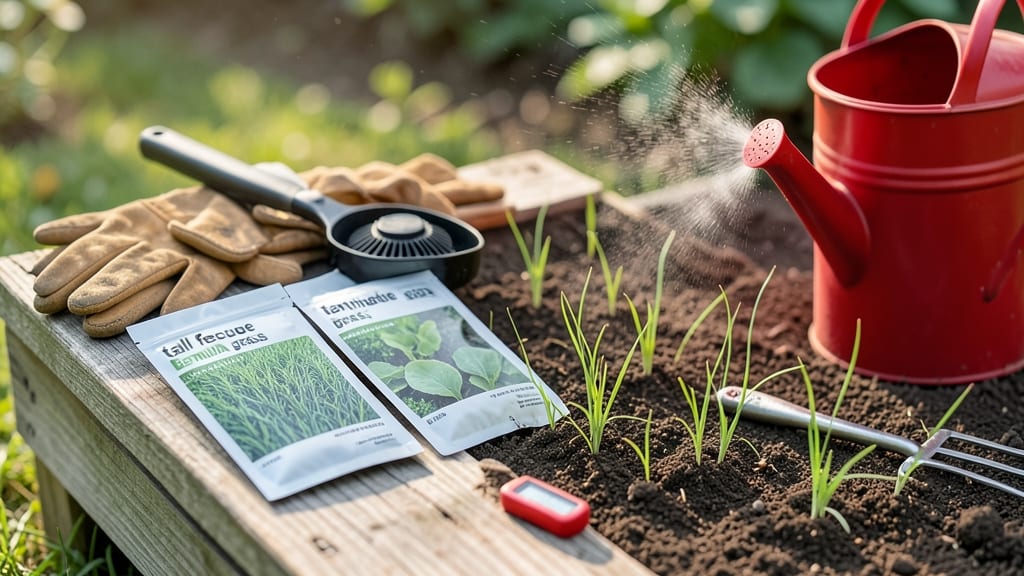
Timing your grass seed planting in South Carolina’s 7b-8a zone can make the difference between a lush, green lawn and weeks of frustration. Planting at the wrong time—like during scorching summer months—means battling heat stress and slow germination, while nailing the ideal window ensures fast, even growth.
Most gardeners in South Carolina swear by late summer or early fall (August–September) as the best time to plant, when soil stays warm but temperatures cool enough to prevent drought stress.
But spring (March–April) also works if you act quickly before summer heat sets in. Let’s break down exactly when to plant for fast, reliable results—and what to avoid.
Why does this matter so much? Because South Carolina’s humid subtropical climate throws curveballs—too early, and weeds steal the show; too late, and winter dormancy slows things down. The key is understanding your local microclimate and grass type (like Bermuda or Fescue) to align planting with nature’s rhythm.
In this guide, I’ll walk you through the optimal planting windows, soil prep secrets, and post-planting care tailored to your zone. Skip the guesswork and get a lawn that thrives from day one.
Optimal planting windows for South Carolina’s heat zone 8A (with germination speed breakdown)
South Carolina’s Heat Zone 8A presents unique challenges for grass seed germination, where soil temperatures and humidity levels can drastically impact success. Unlike cooler climates, fall planting often outperforms spring due to milder temperatures and reduced weed competition. Let’s break down the ideal windows and what affects germination speed.
In Heat Zone 8A, the two best times to plant grass seed are early spring (March–April) and late summer/early fall (August–September). These windows align with soil temperatures between 60°F–75°F, which is perfect for germination. Planting outside these windows risks heat stress (summer) or winter dormancy (late fall).
Here’s how South Carolina’s microclimates influence germination rates: Coastal areas (like Charleston) may see 5–10 days to sprout, while inland regions (Upstate) can take 14–21 days due to cooler nights. Bermuda grass germinates fastest (7–14 days), while tall fescue takes 10–21 days.
🌱
| Planting Window | Soil Temp (°F) | Germination Speed | Best Grass Types | Key Risks |
|---|---|---|---|---|
| Early Spring (March–April) | 55°F–65°F | 10–21 days | Tall fescue, ryegrass | Late frosts, weed competition |
| Late Summer/Early Fall (Aug–Sept) | 65°F–75°F | 5–14 days | Bermuda, Zoysia, centipede | Summer heat stress if late |
| Avoid: Late Fall (Oct–Nov) | Below 55°F | 21+ days (slow/dormant) | None (high failure risk) | Winter kill, poor root growth |
| Avoid: Summer (May–July) | Above 80°F | Slow or failed germination | None (heat stress) | Drought, fungal diseases |
For spring planting, aim for March–April when soil warms but before summer heat sets in. Tall fescue and ryegrass thrive here, but watch for late frosts—cover seeds if temps drop below 40°F. My Upstate SC garden saw 14-day germination for fescue when planted in early April.
Fall planting (August–September) is my top recommendation for Heat Zone 8A because cooler temps reduce weed pressure and water needs. Bermuda grass germinates in just 7–10 days under these conditions. However, avoid planting after mid-September—soil cools too quickly, slowing growth.
Microclimates play a huge role: Coastal areas like Hilton Head can plant 2 weeks earlier than inland Greenville due to milder winters. Use a soil thermometer to confirm temps—60°F+ is ideal. If you’re in doubt, late August is the safest bet for fall planting.
Summer planting (May–July) is a common mistake that leads to failed germination. Soil temps exceed 80°F, causing seeds to dry out or rot. Even shade-tolerant varieties struggle without daily watering. If you must plant in summer, use shade cloth and water twice daily.
Winter planting (December–February) is never recommended in Zone 8A. Seeds won’t germinate until soil warms in spring, leaving them vulnerable to rodents and
How to prepare your lawn for fast grass seed germination in SC’s climate
South Carolina’s Heat Zone 8A brings hot summers and humid conditions that demand precise lawn prep before planting grass seed. Without proper preparation, your seeds may struggle with slow germination or weed competition.
The key to success lies in a well-timed checklist that addresses soil, moisture, and weed control—all tailored to SC’s climate quirks.
A 6.0–7.0 soil pH is non-negotiable for grass seed success in our region. Test your soil first—if it’s off, amend it with lime (for low pH) or sulfur (for high pH) at least 4–6 weeks before planting.
This gives the soil time to adjust, especially in SC’s acidic, sandy soils common in coastal areas.
Weed control must happen 4–6 weeks before planting. Use a pre-emergent herbicide like corn gluten meal or apply a non-selective herbicide (like glyphosate) to kill existing weeds. Post-planting, hand-pull weeds immediately—they’ll steal nutrients from your tender grass seedlings.
- 1
- 2
- 3
- 4
After seeding, watering consistency is your top priority. South Carolina’s high humidity and variable rainfall mean you can’t rely on nature—use a sprinkler system or hose to deliver 1/4 inch of water daily for the first 2 weeks.
Morning watering (before 10 AM) prevents fungal diseases like brown patch, which thrives in SC’s heat and moisture.
Finally, mulching with straw (not wood chips) locks in moisture and regulates soil temperature. Apply a thin layer (1/8 inch) immediately after seeding—this is especially critical in summer plantings (August–September) when evaporation is high. Avoid thick mulch layers, which can suffocate seeds.
By following this SC-specific checklist, your grass seed will germinate in 5–10 days (fall) or 7–14 days (spring), outpacing weeds and establishing a dense, drought-resistant lawn. The extra prep work now means less maintenance later—and fewer headaches in our unpredictable climate. 🌱