
Plants
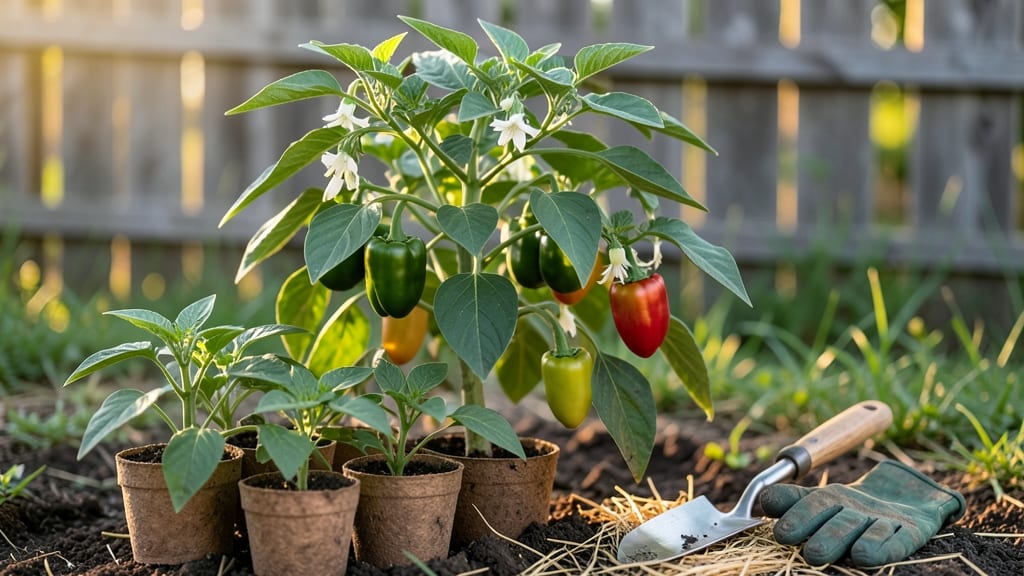
Planting your 🌶️ Bell Peppers at the wrong time in Tennessee can mean the difference between a bumper crop and wasted effort—especially when last-frost dates shift by weeks from Nashville to the Smoky Mountains.
Most gardeners assume April 15 is the magic date, but in USDA Zone 6a (like East Tennessee), you’ll need to wait until May 1 to avoid frost damage, while Zone 7b areas (like Memphis) can start as early as April 1.
I’ll break down the exact planting windows for your microclimate, plus pro tips to prep soil and choose varieties that thrive in Tennessee’s heat and humidity—so you can enjoy peppers from July through October without stress.
Ready to grow a garden that actually produces? Let’s get those seeds in the ground at the perfect moment for your corner of the state.
Tennessee bell pepper planting dates by region: avoid last-frost zones
Tennessee’s three distinct regions—East, Middle, and West—each have unique last-frost dates that dictate when to plant bell peppers. Ignoring these windows can mean frost damage or stunted growth. Let’s break down the exact planting timelines for each zone, including adjustments for urban vs. rural microclimates.
In East Tennessee (Zones 6-7), where Appalachian highlands delay soil warming, your last frost typically hits April 15-30. This means transplanting seedlings should start after May 1, while direct sowing waits until mid-May when soil reaches 60°F.
Rural areas may push dates 1-2 weeks later due to cooler nights.
For Middle Tennessee (Zones 7-8), like Nashville and Murfreesboro, the last frost usually occurs March 31-April 15.
Here, you can transplant seedlings as early as April 15 in urban heat islands, but rural areas should wait until May 1. Direct sowing begins after May 15 once soil warms consistently.
In West Tennessee (Zone 7-8a), including Memphis and Chattanooga, the last frost arrives March 15-30. This allows transplanting as early as April 1 in urban zones, while direct sowing starts April 20-May 1.
The longer growing season here means you can even sow a second crop in late June for fall harvests.
Pro tip: Use black plastic mulch to warm soil 2-3 weeks faster, especially in Zone 6 areas. This trick lets you transplant earlier and extend your harvest season by 3-4 weeks. Just remove it after 6-8 weeks to avoid overheating roots.
If you’re starting seeds indoors, begin 8-10 weeks before your region’s last frost. For East Tennessee, that’s mid-February, while Middle and West Tennessee can start late January. Use grow lights to prevent leggy seedlings—a common mistake that delays transplanting.
For container gardening, plant 1-2 weeks later than in-ground dates since pots cool faster. Place containers near south-facing walls to capture extra heat reflection and protect from late frosts. In Zone 7-8a, this might mean delaying until May 1 instead of April.
Remember: Bell peppers hate cold soil. Always check soil temperature with a soil thermometer—planting too early in cool soil causes root rot or poor germination. Aim for 60°F+ for transplants and 70°F+ for direct sowing.
Urban gardeners in cities like Nashville or Memphis can push dates 1-2 weeks earlier thanks to the urban heat island effect. Rural areas, however, should wait until nighttime temps stay above 50°F to avoid frost damage.
Keep an eye on your local weather forecasts for 10-day outlooks—they’re your best tool for adjusting timing.
With these region-specific dates, you’ll avoid the most common mistakes—like planting too early and losing seedlings to frost or too late and missing the
Microclimate factors that change your planting schedule (and how to adjust)
Tennessee’s microclimates can shift your ideal bell pepper planting window by 2-4 weeks, depending on elevation, urban heat, or even nearby water bodies. For example, Nashville’s urban core (Zone 7b) can be 5°F warmer than nearby rural areas, letting you plant 2 weeks earlier without frost risk.
High-elevation areas like Gatlinburg (Zone 6a) often experience late spring frosts until May 15, while Memphis (Zone 7b) may see frost-free conditions by March 20. These differences mean blindly following a state-wide date could mean frost-killed seedlings or stunted growth.
Here’s how to assess your specific conditions and adjust your schedule:
Warning: Urban Heat Islands vs. Mountain Chill
Urban areas (Nashville, Chattanooga) can be 3-7°F warmer than surrounding countryside, allowing earlier planting. Meanwhile, mountain valleys (East TN) often trap cold air, delaying frost-free dates by 2+ weeks. Check your local AgriMet station or NOAA frost maps for precise data.
Start by testing your soil temperature with a soil thermometer—bell peppers need 60°F+ soil to thrive. In West Tennessee’s clay soils, warmth arrives 2 weeks earlier than in East Tennessee’s rocky terrain.
If your soil stays below 55°F past April 30, delay planting until May 15 to avoid poor germination.
Another critical factor is wind exposure. Open fields in Middle Tennessee dry out faster, requiring earlier watering adjustments, while protected microclimates (e.g., near lakes or wooded edges) can extend your harvest by 3-4 weeks with better humidity retention.
Use windbreaks or raised beds in exposed areas to create your own microclimate.
For container gardeners, black plastic pots absorb heat faster than ceramic, letting you plant 1-2 weeks earlier in Zone 7a+. Pair this with mulch (straw or shredded leaves) to maintain 60°F+ soil temps longer.
If you’re in Zone 6a, consider row covers for a 2-week head start on the season.
Pro tip: Plant ‘Jupiter’ or ‘Carolina Wonder’ varieties in late May for a fall harvest if early planting risks frost. These heat-tolerant types handle Tennessee’s 90°F+ summers better than standard varieties, giving you a second chance if your first attempt fails.