
Plants
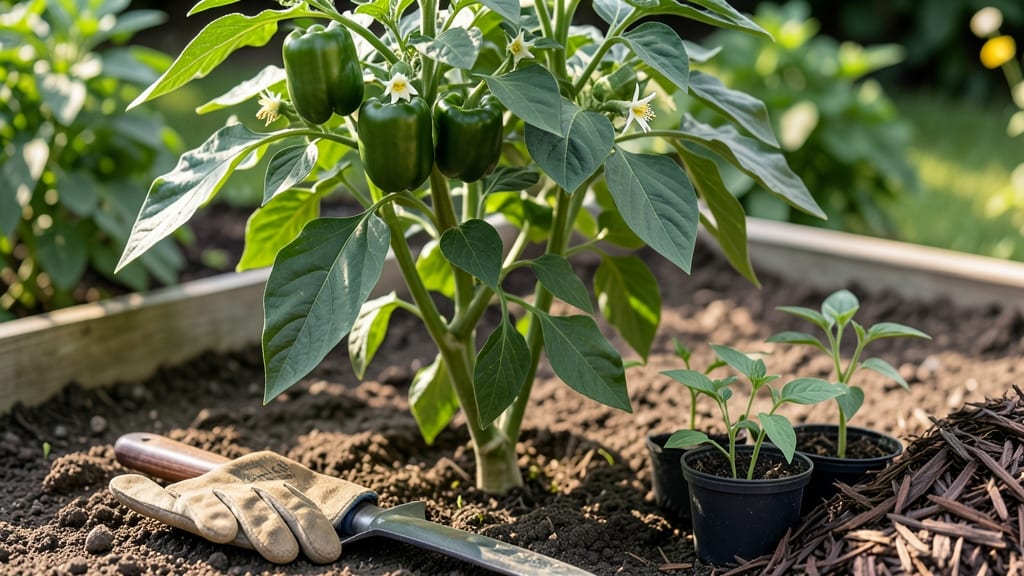
Timing your 🌶️ bell pepper planting in Oregon isn’t just about waiting for spring—it’s about outsmarting the region’s wild temperature swings, from coastal fog to high-desert heat. Plant too soon, and your seedlings will bolt before they bear fruit; too late, and your harvest shrinks.
The perfect window hinges on soil warmth, microclimates, and last-frost dates that vary 1,000+ feet in elevation—and I’ve cracked the code for each.
Most Oregon gardeners in zones 7b–9a should aim to transplant 🌶️ bell peppers between mid-April and early June, but that’s just the starting point. Coastal areas like the Willamette Valley need a 2–3 week buffer after frost-free dates, while inland spots can push seedlings into the ground sooner.
The trick? Soil temperature—peppers need at least 60°F to thrive, and black plastic mulch can shave weeks off that wait.
Here’s what you’ll discover: exact planting dates for your specific Oregon region, how to protect seedlings from late frosts (yes, they happen even in summer), and the one mistake that causes 90% of bolting.
Whether you’re in a foggy valley or a sunbaked desert, these strategies will turn your 🌶️ bell pepper gamble into a guaranteed harvest.
Let’s get your plants in the ground at the ideal moment—no more guesswork, just bigger, healthier peppers from July to October. Ready to plant with confidence?
Oregon’s bell pepper planting zones: microclimate breakdown by region
Oregon’s bell pepper planting success hinges on understanding its four distinct microclimates. The Willamette Valley enjoys mild springs, while the High Desert bakes under intense summer sun. Coastal areas like the Coast Range stay cooler longer, and the Columbia Gorge experiences dramatic temperature swings.
Each zone demands a tailored approach to avoid bolting or stunted growth.
According to Oregon State University, your last-frost dates vary wildly: mid-April in the Willamette Valley but late May in the High Desert. Bell peppers need soil temperatures above 60°F and consistent warmth to thrive. Planting too early risks premature flowering, while waiting too late shortens your harvest window.
Here’s how to align your planting with Oregon’s regional realities, including direct sowing vs. transplanting strategies for each zone:
For transplanting, start seeds indoors 8–10 weeks before your region’s last frost date. The Willamette Valley and Columbia Gorge can begin in March, while coastal areas may need to wait until April.
Use grow lights if natural light is limited, and harden off seedlings for 7–10 days before moving them outdoors.
If you prefer direct sowing, wait until soil temperatures consistently reach 60°F. Test with a soil thermometer—cooler soils delay germination. In the High Desert, direct sow after June 15 to avoid heat stress, while coastal gardeners should delay until July for late varieties.
Pro tip: Succession plant every 2–3 weeks in the Willamette Valley and Columbia Gorge to extend harvests. Use shade cloth (30–50%) during heatwaves to prevent bolting, especially in inland zones where temperatures can spike above 90°F.
Container gardeners in cooler microclimates should choose compact varieties like ‘Lunchbox’ or ‘Snack Mix’ and move pots to sunniest spots during the day. Add extended-release fertilizer at planting for consistent nutrients, and mulch heavily to retain moisture in Oregon’s dry summers.
Monitor your local weather forecasts for late frosts, especially in elevated areas like the Columbia Gorge. Have row covers or a mini greenhouse ready to protect seedlings if temperatures dip below 50°F. With these region-specific strategies, you’ll maximize your bell pepper harvest from July to October.
Remember: Soil temperature matters more than air temperature. A 60°F soil is your minimum threshold—colder soils will stall growth. Use black plastic mulch or straw mulch to accelerate
How to adjust planting dates for coastal vs. inland Oregon climates
Oregon’s coastal regions and inland areas can feel like entirely different planets when it comes to gardening. In coastal zones, persistent fog and cooler temperatures slow soil warming, while inland areas experience rapid temperature swings that can stress young peppers.
The key to success? Adjusting your planting timeline based on microclimate-specific conditions rather than relying on generic last-frost dates.
For coastal Oregon (e.g., Astoria, Cannon Beach), start bell pepper seeds indoors 8-10 weeks before your target transplant date, typically late February to early March.
Inland areas like Bend or Pendleton can transplant outdoors as early as mid-April, but coastal gardeners often wait until late May or early June to avoid frost damage. Soil temperature is your best guide—peppers need 60°F+ soil to thrive.
- Coastal Oregon: Start seeds indoors Feb 20–Mar 10; transplant May 20–June 10 after soil warms to 60°F.
- Willamette Valley: Start seeds indoors Mar 1–Mar 15; transplant April 20–May 10 with row covers.
- Inland (Bend, La Grande): Start seeds indoors Mar 15–Apr 1; transplant April 15–May 1 for faster growth.
- High Desert (Burns, Ontario): Start seeds indoors Apr 1–Apr 15; transplant May 1–May 15 with black plastic mulch.
Humidity plays a critical role in coastal planting. High moisture levels can encourage fungal diseases like powdery mildew, so prioritize well-draining soil and spaced-out plantings (18–24 inches apart).
Inland gardeners, meanwhile, must contend with hot afternoon sun, which can cause bolting. Use shade cloth (30%) during peak heat (1–4 PM) to protect seedlings.
To extend the growing season in cooler zones, I recommend row covers or cold frames for coastal plantings. These tools can add 4–6°F of warmth and push your transplant window back by 2–3 weeks.
For inland areas, focus on succession planting: sow a second batch of seeds 6–8 weeks after the first to stagger harvests through September. This works especially well for short-season varieties like ‘Sweet Banana’ or ‘Carmen.’
One mistake I see often? Ignoring container gardening for urban gardeners. If you live in a coastal apartment, start seeds in 4-inch pots and move them to 5-gallon containers by May.
Inland gardeners can transplant earlier into containers since they warm up faster. Just ensure pots have drainage holes and use a lightweight potting mix to prevent root rot.
Finally, keep a microclimate journal for 2–3 years to refine your timing. Note when your soil reaches 60°F, how long seedlings take to mature, and which varieties perform best in your zone.
For example, ‘Jupiter’ peppers thrive in USDA Zone 8, while ‘Aristotle’ handles coastal fog better. Adjust your schedule yearly based on your observations.