
Plants
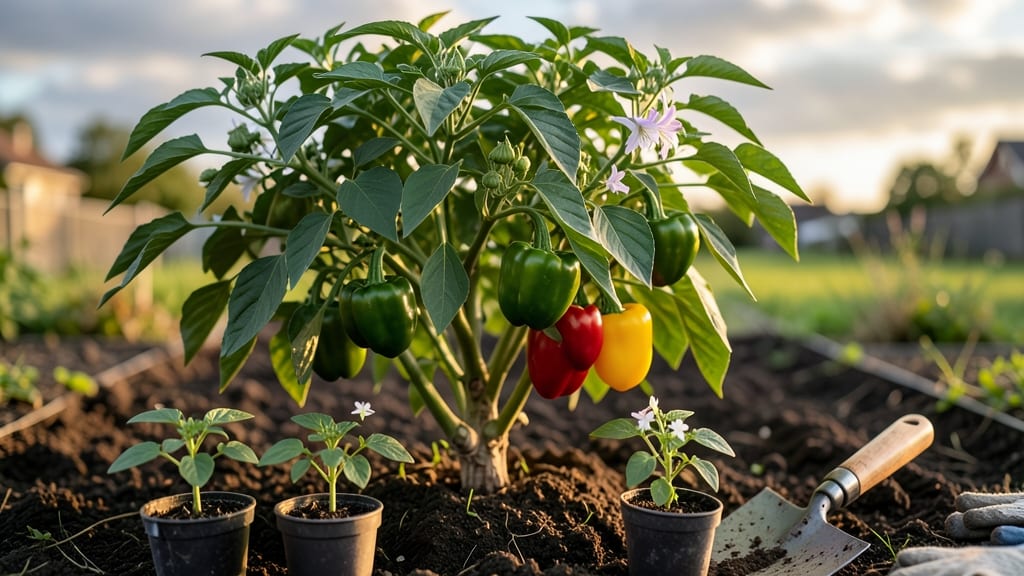
Planting bell peppers 🌶️ in Kansas isn’t just about throwing seeds into the dirt—it’s about catching that narrow window between frost and scorching summer heat. Get the timing wrong, and you’ll either wait months for harvests or watch your plants wilt before they even ripen.
But nail those late April to early May dates (or start indoors in March), and you’ll be feasting on sweet, homegrown peppers from July straight through October.
Here’s the kicker: Kansas’ variable weather—from late frosts to sudden heatwaves—means rigid rules won’t cut it. Whether you’re in Wichita’s Heat Zone 7A or Topeka’s 6A, soil temperature and frost-free days are your real calendar.
I’ll break down exactly when to plant, how to protect young seedlings, and why waiting for that 60°F soil makes all the difference.
Even if you’re gardening in containers on a city balcony, the same principles apply. We’ll cover succession planting, row covers, and Kansas-specific hacks to stretch your growing season—because nobody wants to miss out on those first crisp harvests. Ready to turn your backyard into a pepper patch? Let’s get started.
The key? Paying attention to local frost dates and adjusting for your microclimate. Kansas State University Extension even offers free soil temperature guides—tools that’ll save you from costly mistakes. Stick with me, and you’ll be harvesting peppers like a pro by midsummer.
Optimal bell pepper planting dates for Kansas heat zones 6A/7A
Bell peppers thrive in Kansas’ warm summers, but planting too early can mean frost damage or stunted growth. The key is waiting until soil temperatures hit 60°F+ and all frost risk has passed.
In Heat Zones 6A/7A, this typically means late April to early May for direct sowing, or starting seeds indoors 8-10 weeks before your last frost date.
Kansas’ variable spring weather makes timing tricky. Check local Kansas State University Extension resources for your exact last frost date, which can vary from mid-April in southern Kansas to early May in northern regions.
For example, Wichita gardeners might plant outdoors by April 20, while Topeka waits until May 1.
Here’s a quick reference for Kansas-specific planting windows based on your location and method:
| Method | Planting Window | Key Consideration |
|---|---|---|
| Direct Sowing (Outdoors) | Late April – Early May | Soil must be 60°F+; use row covers for early starts. |
| Indoor Start (Transplant) | March 15 – April 1 (8-10 weeks before last frost) | Use grow lights if natural light is weak. |
| Late Season (Succession) | June 15 – July 15 | Short-season varieties like 'Early California Wonder' work best. |
| Container Gardening | May 1 – May 15 | Use 5-gallon pots with well-draining mix. |
For urban gardeners in Kansas City, container planting offers flexibility. Start seeds in 5-gallon pots by April 1 and move them outdoors after May 15 once nighttime temps stay above 55°F. This avoids root-bound stress and gives peppers room to grow.
If you’re in western Kansas (e.g., Garden City), aim for May 10 for outdoor planting. The drier climate means you’ll need to water deeply 2-3x per week once planted. Use black plastic mulch to retain moisture and warm the soil faster.
Pro tip: Test your soil pH before planting—bell peppers prefer 6.0-6.8. Kansas soils often lean alkaline, so amend with sulfur or peat moss if needed. A simple home test kit (available at Tractor Supply) makes this easy.
Remember, heat waves in July/August can stress pepper plants. Varieties like 'Carmen' or 'Jupiter' handle Kansas’ 90°F+ days better than standard types. Pair them with shade cloth during peak heat to prevent blossom drop.
Finally, succession planting in late June can give you a second harvest before frost. Choose fast-maturing varieties (60-70 days) like 'Sweet Banana' for this strategy. Just be prepared to protect seedlings with row covers if an unexpected frost hits in early October.
How to extend Kansas growing season for bell peppers: cold frames, row covers & succession planting
Kansas’ unpredictable spring weather—with late frosts and chilly nights—can derail bell pepper growth if you’re not prepared. But with the right strategies, you can extend your growing season by 4-6 weeks, giving your peppers more time to thrive.
I’ve tested these techniques in my own garden, and they’ve made the difference between disappointing yields and bountiful harvests.
One of my favorite tricks is using row covers or low tunnels to protect seedlings. These create a microclimate that warms the soil faster and shields young plants from late spring frosts.
I start mine in early April, and by mid-May, the soil temperature is perfect for transplanting. Just remember to remove covers once daytime temps hit 75°F to avoid overheating.
For even earlier starts, I’ve had great success with cold frames. These simple structures trap heat from the sun and can raise soil temps by 10-15°F. I plant seeds in late March under a cold frame, and by early May, they’re ready for the ground.
The key is to ventilate daily to prevent condensation buildup, which can lead to fungal issues.
🌱 5 Proven Ways to Extend Your Kansas Pepper Season
- 1. Use black plastic mulch to warm soil 5-10°F faster than bare earth.
- 2. Plant in raised beds—they warm up 2-3 weeks earlier than in-ground soil.
- 3. Try succession planting—sow new seeds every 2-3 weeks from May to July for continuous harvests.
- 4. Install hoop houses with floating row covers to protect from late frosts.
- 5. Choose fast-maturing varieties like ‘Early Cal Wonder’ (60 days) for early harvests.
Succession planting is another game-changer in Kansas. Since bell peppers take 70-90 days to mature, I stagger my plantings every 2-3 weeks from late April through early July. This ensures I have peppers ready to harvest from July through October.
For example, my first batch goes in late April, the second in early June, and the final one in early July—just in time for the hottest months when peppers thrive.
Don’t overlook container gardening for urban gardeners or those with limited space. I’ve grown bell peppers in 5-gallon pots on my patio, and with proper care, they produce just as well as in-ground plants.
The key is to use heat-loving varieties and move containers to sunniest spots during the day. Just be sure to water consistently, as containers dry out faster than garden beds.
Finally, keep an eye on Kansas State University Extension for localized frost forecasts. Their Plant Talk Line (785-532-6209) offers real-time advice tailored to your county. I’ve used their tips to adjust my planting schedule when unexpected cold snaps are predicted, saving my crops more than once.
With these techniques, you can turn Kansas’ short growing season into a long pepper harvest. Start experimenting this year—your taste buds will thank you! 🌶️