
Planting
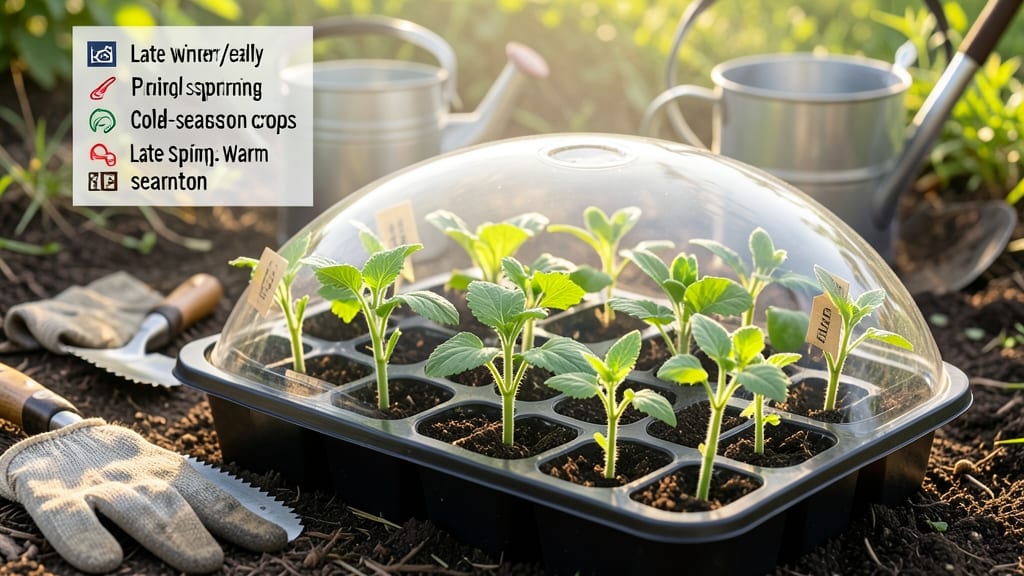
When to plant a vegetable garden in Oklahoma isn’t just about throwing seeds in the dirt—it’s about outsmarting the weather to grow a thriving harvest. With Oklahoma’s Heat Zone 7b climate, you’ve got a narrow window to plant cool-season crops before the heat sets in or risk losing them to late frosts.
Most gardeners in Oklahoma know the struggle: plant too early, and frost wipes out your lettuce; wait too long, and your tomatoes burn under the summer sun. The key is understanding when to plant based on your local frost dates—not just guessing.
In this guide, I’ll break down the exact planting windows for spring and fall crops, so you can avoid common mistakes and maximize your garden’s potential. Whether you’re a first-time gardener or a seasoned pro, these tips will help you plan like a local.
Ready to turn your Oklahoma garden into a year-round success? Let’s get started with the perfect planting schedule for your zone.
Oklahoma’s frost dates & Heat Zone 7b planting calendar
Oklahoma’s Heat Zone 7b climate means you’ll experience 180-220 frost-free days annually, giving you a longer growing window than many northern states. The key to success? Timing your cool-season crops before the last frost and warm-season crops after soil warms to 60°F or higher.
These windows are critical to avoid frost damage or stunted growth from heat stress.
In Oklahoma, the average last frost date falls between April 15 and May 1, while the first frost typically arrives between October 15 and November 1. However, these dates can shift by 1-2 weeks depending on your exact location within the state.
For example, northern Oklahoma (closer to Zone 6b) may see frost 2 weeks earlier than southern Oklahoma (Zone 8a).
Understanding these frost dates helps you plan for cool-season crops like lettuce and peas, which thrive in 50-60°F soil, and warm-season crops like tomatoes and peppers, which need soil temperatures above 60°F.
Planting too early or too late can mean the difference between a bountiful harvest and wasted effort.
Here’s a quick reference for Oklahoma’s Heat Zone 7b planting calendar, broken down by season and crop type:
| Season | Planting Window | Cool-Season Crops | Warm-Season Crops | Soil Temp Requirement |
|---|---|---|---|---|
| Early Spring | February–March | Spinach, Peas, Lettuce, Kale | — | 45–55°F |
| Late Spring | April–May | Radishes, Carrots, Broccoli | Tomatoes, Peppers, Eggplant | 60°F+ for warm crops |
| Summer | June–July | — | Okra, Sweet Potatoes, Corn | 70°F+ |
| Fall | August–September | Kale, Swiss Chard, Beets | Green Beans, Cucumbers | 50–60°F |
| Late Fall | October | Garlic, Onions, Winter Lettuce | — | 45°F+ |
For cool-season crops, start seeds indoors 4-6 weeks before your last frost date to give them a head start. For example, if your last frost is April 30, begin sowing lettuce or spinach indoors around mid-March.
Once soil temperatures rise above 50°F, transplant seedlings outdoors or direct-sow hardy varieties like peas or radishes.
Warm-season crops, like tomatoes and peppers, are far more sensitive to cold. Wait until the soil temperature consistently stays above 60°F, which in Oklahoma typically happens by mid-April to early May.
Use a soil thermometer to check—planting too early can stunt growth or even kill seedlings. If you’re eager to start, consider container gardening near a sunny wall to warm the soil faster.
One of the biggest mistakes gardeners in Heat Zone 7b make is planting warm-season crops too early. For example, tomatoes planted in late March may struggle to produce fruit before the summer heat sets in.
Instead, wait until late April or early May to ensure robust growth. Similarly, fall crops like kale and carrots should be sown by mid-August to mature before the first frost.
Pro tip: Use row covers or cold frames to extend your spring and fall growing seasons by 2-4 weeks. These simple tools can protect tender seedlings from unexpected late frosts or early cold snaps, giving you a longer harvest window.
For instance, I’ve used row covers to grow spinach in early February and bush beans in late October with great success.
Keep an eye on your local weather forecasts and adjust planting dates as needed. Oklahoma’s unpredictable weather can shift frost dates by 1-2 weeks, so flexibility is key.
For example, if a late frost is predicted in early May, delay planting tomatoes or peppers until after the threat has passed. When in doubt, err on the side of caution—better to wait a few extra days than risk losing your plants to frost damage.
By following this Heat Zone 7b planting calendar and adjusting for your specific microclimate, you’ll be well on your way to a productive and stress-free vegetable garden
Best vegetables to plant by month in Oklahoma’s climate
Oklahoma’s Heat Zone 7b means we get to enjoy a long growing season, but only if we plant the right crops at the right time. Cool-season vegetables like spinach and peas thrive in early spring, while heat-tolerant varieties such as okra and sweet potatoes dominate summer.
Fall brings another bounty with kale and carrots, letting you stretch your harvest well into autumn.
Timing is everything—plant too early, and frost will nip your seedlings. Plant too late, and summer’s heat will stress your warm-season crops. The key is understanding month-by-month planting windows tailored to Oklahoma’s climate.
Whether you’re a first-time gardener or a seasoned green thumb, this guide will help you plan for success.
🌱 Here’s your month-by-month planting checklist for Oklahoma’s Heat Zone 7b:
Pro tip: Succession planting is your best friend in Oklahoma. For example, sow bush beans every 2 weeks in June and July to keep the harvest going. Similarly, plant lettuce every 3 weeks in spring and fall for a steady supply of fresh greens.
Don’t forget to monitor soil temperatures—they’re just as important as air temperatures. Use a soil thermometer to ensure warm-season crops get planted when the ground is truly ready. And always keep an eye on the weather forecast—Oklahoma’s unpredictable shifts can throw off even the best-laid plans.
With this schedule, you’ll avoid the common pitfalls of planting too early or too late, ensuring a bountiful harvest from spring through fall. Happy gardening! 🌿