
Plants
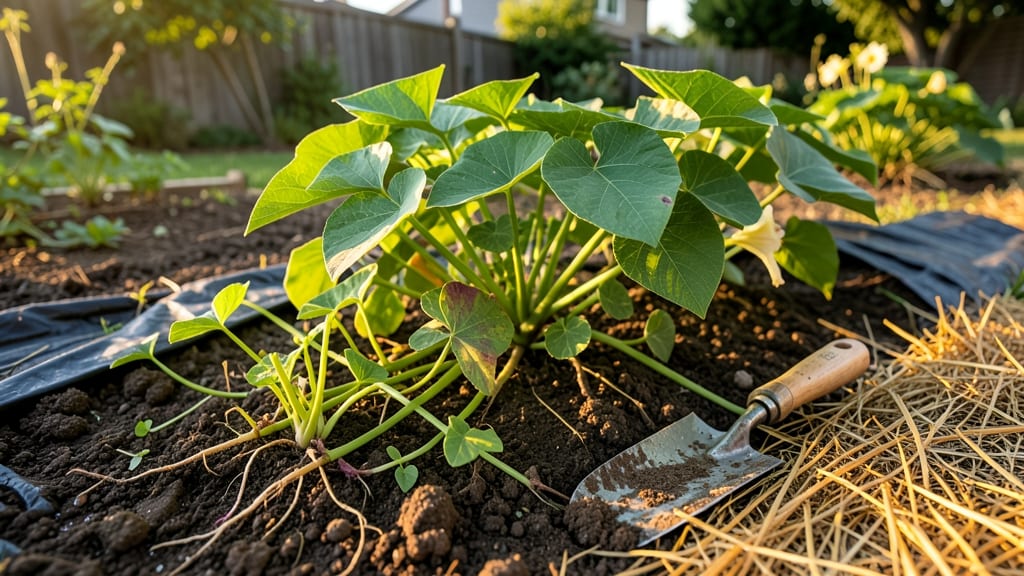
Planting sweet potatoes in North Carolina at the wrong time can turn your garden into a sad, shriveled mess instead of a harvest of golden, sweet tubers.
The key isn’t just avoiding frost—it’s syncing with your USDA 7a-8b heat zones to give those vines the perfect warm start they crave.
Here’s the secret: Late April to mid-June is your sweet spot, when soil hits that magic 65°F threshold and frost risk fades into memory. But wait—there’s more to it than dates.
NC’s microclimates mean coastal areas can plant earlier than the mountains, and black plastic mulch can shave weeks off your wait time.
I’ve learned the hard way that rushing sweet potatoes into cold soil or waiting too long means smaller yields and more pests. Let me show you exactly how to time it right—plus pro tips for extending your harvest window—so you’re pulling plump, ready-to-eat potatoes by fall.
Whether you’re a first-time gardener or a seasoned NC grower, these deadlines and tricks will help you avoid common mistakes and turn your patch into a sweet potato powerhouse. Let’s get those slips in the ground at the perfect moment!
North Carolina sweet potato planting deadlines by heat Zone (7a-8b)
North Carolina’s USDA Heat Zones 7a-8b create distinct planting windows for sweet potatoes. In cooler Zone 7a, you’ll need to wait until late spring when soil temperatures consistently reach 65°F+.
Meanwhile, gardeners in Zone 8a-8b can start planting as early as mid-April, thanks to warmer microclimates. These differences matter because sweet potatoes are sensitive to cold soil, which can stunt root development.
Most NC gardeners plant slips (young plants) rather than seeds because they mature faster—typically in 90-120 days. However, if you’re growing from seed, you’ll need to start them indoors 8-10 weeks before your last frost date.
The key is aligning your planting with NC’s last frost averages: March 15 for inland areas and February 15 for coastal regions.
Soil temperature is just as critical as air temperature. Use a soil thermometer to confirm your garden bed has reached 65°F+ before planting. In Zone 7a, this often means waiting until mid-May, while Zone 8b gardeners can plant by early April. Cold soil delays germination and increases disease risk.
| Heat Zone | Last Frost Date | Ideal Planting Window | Soil Temp Threshold | Method |
|---|---|---|---|---|
| 7a (Asheville, Raleigh) | March 15 | Late April - Early May | 65°F+ (consistent) | Slips (preferred) |
| 7b (Charlotte, Greensboro) | March 1 | Mid-April - Mid-May | 65°F+ (consistent) | Slips or seeds (indoor start) |
| 8a (Fayetteville, Wilmington) | February 15 | Early April - Late May | 60°F+ (warmer microclimates) | Slips or direct seeds |
| 8b (Coastal NC, Outer Banks) | January 31 | Mid-March - June 1 | 58°F+ (earlier starts possible) | Direct seeds or slips |
For Zone 7a gardeners, I recommend using black plastic mulch to warm the soil faster and extend your planting window by 2-3 weeks. Lay the mulch down 2 weeks before planting to create a microclimate that mimics Zone 8a conditions.
This trick is especially useful if you’re eager to grow heat-loving varieties like ‘Beauregard’, which thrives in warmer temperatures.
If you’re planting seeds instead of slips, start them indoors 8-10 weeks before your last frost date. Use biodegradable pots to avoid transplant shock when moving seedlings outdoors.
Seedlings need full sun (6+ hours/day) and warmth (70°F+) to germinate properly. In Zone 8b, you can even direct-sow seeds as early as mid-March under row covers.
Timing your harvest is just as critical as planting. Sweet potatoes need 90-120 days to mature, so plan to harvest by late October in Zone 7a and November in Zone 8b.
Look for yellowing vines and firm tubers as signs of readiness. If frost threatens before harvest, use row covers to protect plants and extend the season by 2-3 weeks.
One common mistake I see in NC gardens is planting too early in Zone 7a and risking frost damage. Always check your local Almanac’s frost predictions and confirm soil temperatures before planting.
For Zone 8b gardeners, the opposite risk applies—planting too late can lead to smaller yields due to shorter daylight hours in late summer.
Pro tip: Use a soil thermometer to monitor temperatures daily. Sweet potatoes won’t germinate below 65°F, and cold soil can also attract fungal diseases like black rot. In humid NC summers, mulch heavily to keep soil temperatures stable and reduce moisture stress on your plants.
For maximum yields, aim to plant slips in early May across most of NC. This gives tubers enough time to mature before first frost, which typically hits mid-November in inland areas and late November in coastal zones.
With the right timing, you’ll enjoy a harvest of sweet, starchy tubers perfect for roasting or baking.
How to extend your sweet potato growing season in NC (tips for early/late planting)
North Carolina’s USDA Heat Zones 7a-8b offer sweet potato gardeners a 180-day growing window, but frost and heat extremes can cut that short. The key to extending your harvest? Smart timing and protective strategies.
For example, ‘Beauregard’ matures in 90-100 days, while ‘Covington’ takes 110-120 days—meaning your planting window can shift by 3-4 weeks depending on variety.
If you’re eyeing an early harvest (think July-August), start with heat-tolerant slips under floating row covers in late March. For a late-season push, plant succession slips in early July—just cover them with black plastic mulch to trap warmth.
Both tactics let you harvest tubers before frost or even into November in warmer microclimates.
Here’s the risk assessment for planting outside prime windows (April 15–June 15):
Black plastic mulch is your secret weapon for early planting. It raises soil temps by 10–15°F, letting you plant 2–3 weeks earlier without frost risk. Lay it down 2 weeks before planting and secure edges with soil or bricks. Pair it with ‘Beauregard’ slips for a July harvest—just be ready to harvest before vines yellow to avoid tuber shriveling.
For succession planting, stagger slips every 2 weeks from April to July. This ensures a continuous harvest from August through October. Space rows 36 inches apart to prevent vine competition, and thin to 12–18 inches between plants.
Pro tip: Mulch heavily with straw to retain moisture and suppress weeds—NC’s humid summers make this non-negotiable.
Heat-tolerant varieties like ‘Georgia Jet’ (100 days) or ‘Centennial’ (110 days) are your best bets for late plantings. They handle 90°F+ temps better than traditional types and still produce marketable tubers when planted in July. Just water deeply 2–3x/week and avoid overhead sprinklers to prevent leaf diseases like Alternaria.
Extend your season further by harvesting early (small tubers for roasting) or curing properly (80°F, 80% humidity for 10 days) to store sweet potatoes through winter. With these strategies, you can turn NC’s short growing window into a year-round harvest—no frost left behind! 🍠