
Planting
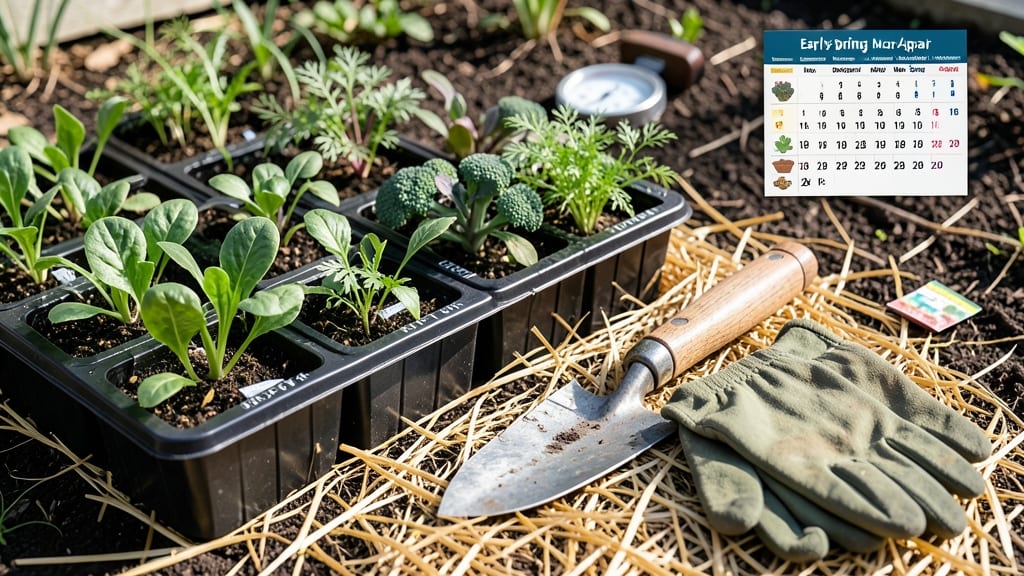
Timing when to plant a vegetable garden in Seattle can feel like playing a high-stakes game of chance—one wrong move, and frost wipes out your hard work. But here’s the secret: the right planting window turns those chilly coastal winds into your ally, not your enemy.
Seattle’s Zone 8a climate gives you a 165-day frost-free window, but coastal microclimates can shift that timeline by weeks.
That’s why I’ve cracked the code on when to start seeds indoors, when to transplant tender seedlings, and how to stretch your harvest into November—without losing everything to a surprise freeze.
You’ll learn exactly when to plant everything from leafy greens to tomatoes, plus my 3 foolproof tricks for beating Seattle’s unpredictable weather. No more guessing games—just a calendar that works for your backyard.
Let’s get your 🥬 General Vegetable Garden growing like a pro, even when the forecast says “rain and maybe frost.” Ready to dive in?
Seattle’s frost-free planting zones: exact dates for zero-frost success
Seattle’s USDA Zone 8a/8b climate creates a delicate balance for gardeners. The last average frost date typically lands around April 15, while the first frost often arrives by October 15, giving you roughly 165 frost-free days.
However, coastal areas like West Seattle can experience frost 2-3 weeks later than inland spots like Kent or Auburn.
Understanding these microclimate variations is key. For example, Ballard may safely plant warm-season crops like tomatoes by May 1, while Bellevue can start as early as April 20. Always check local heat maps from WSU Extension or NOAA for real-time adjustments.
Here’s how to use these dates for zero-frost success:
🌱 Cool-season crops (like kale, peas, and spinach) thrive when planted 4-6 weeks before the last frost. For Seattle, that means March 1-15 for most areas. Hardy varieties like Swiss chard can even handle light frosts and can be sown as early as February in sheltered spots.
🌿 Warm-season crops (such as peppers, eggplants, and cucumbers) need consistent warmth and should wait until after May 15—or even June 1 for coastal zones. Start these indoors by March 1 to give seedlings a head start.
🌡️ Temperature inversions (where cold air gets trapped) can delay planting in low-lying areas like Duwamish Valley. If your garden sits in a frost pocket, wait until May 10 or later for heat-loving plants.
📅 Pro Tip: Use a planting calendar from Washington State University Extension (WSU) for hyper-localized advice. Their free frost date maps adjust for elevation and microclimates, ensuring you plant at the perfect moment.
🌱 Key Takeaway: Seattle’s short growing season demands precision. Cool crops early, warm crops late, and always account for coastal delays. With these dates, you’ll maximize your harvest before the first frost!
| Planting Window | Crops | Notes |
|---|---|---|
| February - Early March | Peas, Spinach, Lettuce, Kale | Start cool-season crops early; use row covers for frost protection. |
| March 15 - April 15 | Carrots, Beets, Radishes, Broccoli | Plant 4-6 weeks before last frost; succession plant every 2 weeks. |
| April 20 - May 15 | Tomatoes, Peppers, Cucumbers, Squash | Wait until soil temps reach 60°F+; start indoors in March. |
| May 1 - June 15 | Green Beans, Corn, Basil, Zucchini | Plant after last frost; coastal areas may delay until May 15. |
| July - August | Fall Lettuce, Radishes, Spinach, Arugula | Sow late summer for fall harvests; protect from early frosts. |
Seattle’s coastal fog can drop temperatures 10°F+ faster than inland areas. For example, Bainbridge Island might see frost in early October, while Redmond could extend the season until mid-October. Always monitor local weather forecasts and adjust planting dates accordingly.
For warm-season crops like tomatoes and peppers, consider using black plastic mulch to warm the soil 2-3 weeks earlier. This trick helps coastal gardens push the envelope on planting dates without risking frost damage.
If you’re unsure about your exact microclimate, try the WSU “Frost Freeze Forecast” tool. It provides hyper-localized alerts and helps you time plantings with confidence. For example
Coastal microclimate hacks: extending the growing season in Seattle
Seattle’s coastal winds and fog can turn your garden into a chilly battleground, but these microclimate hacks transform challenges into opportunities. The key is understanding how temperature inversions and coastal fog create pockets of warmth—sometimes 5-10°F warmer just blocks from your garden.
By strategically using these natural advantages, you can extend your growing season by 3-4 weeks on either end.
First, identify your garden’s microclimate zone. South-facing slopes or urban heat islands (like paved areas) stay warmer, while low-lying spots near Puget Sound stay cooler. Use a minimum-maximum thermometer for 2 weeks to map your garden’s temperature variations. This data will guide your planting decisions and tool choices.
For coastal gardens, timing is everything. Plant cold-hardy crops like kale, spinach, and peas in early March, even if soil feels cold. These thrive in 40-50°F soil and can handle light frosts.
Meanwhile, warm-season crops like tomatoes and peppers need to wait until May 15—after the average last frost date—but use row covers to push this window back by 2-3 weeks.
Don’t overlook fall planting. Many vegetables grow well in cool autumn temperatures. Start broccoli, cabbage, and Brussels sprouts in late July for a harvest before first frost (typically October 15). Use black plastic mulch to warm soil and straw mulch to insulate roots as nights cool.
Pro tip: Monitor WSU AgWeatherNet for real-time frost alerts and degree-day accumulations. This free tool predicts when warm-season crops will mature based on your garden’s specific heat buildup. For example, tomatoes need 1,200-1,500 degree-days to ripen—plant when the forecast shows you’ve hit 500 degree-days post-last-frost.
With these strategies, you’ll turn Seattle’s short growing season into a year-round harvest, even in the face of coastal winds and fog. Start small, experiment with one or two hacks, and watch your garden thrive beyond the typical 165 frost-free days.