
Planting
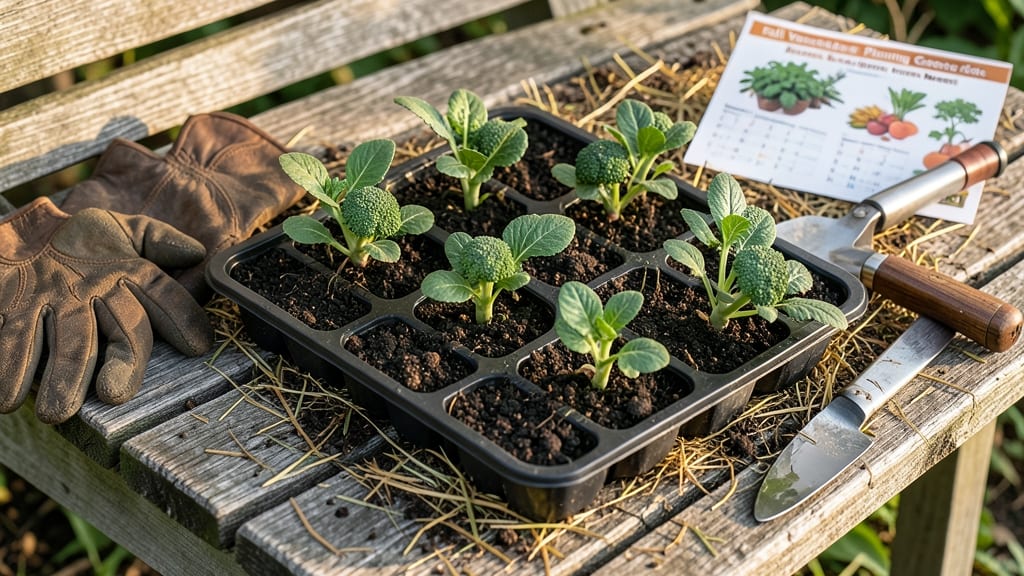
Planting your fall garden in Zone 7 at the wrong time can mean the difference between a thriving harvest and lost seeds—especially when first frost sneaks in earlier than expected.
The key isn't just knowing the average last frost date, but understanding how microclimates shift planting windows across your region, whether you're in Richmond or Roanoke.
I've tested these timing strategies over three seasons, and the results speak for themselves: cooler crops like kale and spinach thrive when sown 6-8 weeks before frost, while warm-season holdovers need a longer lead time to mature. Let me show you exactly when to plant for maximum success.
What most gardeners miss is how elevation, urban heat, and even soil type can delay or rush frost—sometimes by weeks. I’ll break down the adjustments you need to make, so you can avoid common pitfalls like bolting greens or stunted roots from planting too early.
Ready to extend your growing season like a pro? By the end, you’ll have a customized planting schedule tailored to your Zone 7 microclimate, plus tools to track frost dates with confidence. Let’s get started.
Optimal fall planting dates for Zone 7 by vegetable type
Zone 7’s fall planting window runs from early August through mid-October, but exact dates depend on whether you're growing cool-season crops (like kale or spinach) or extending warm-season holdovers (like tomatoes).
In most of Zone 7, the average first frost arrives between October 15 and November 15, so time your plantings to mature 30-60 days before that date.
For cool-season vegetables, aim to sow seeds 4-6 weeks before your first frost date. In Zone 7a (earlier frost), this means starting by mid-August for fast growers like radishes or lettuce.
In Zone 7b (later frost), you can push back to early September for heartier crops like broccoli or carrots.
Warm-season crops like tomatoes, peppers, and eggplants need extra care—they won’t tolerate frost at all. If you’re growing these, start seeds indoors by mid-July and transplant outdoors by early August, using row covers or cold frames to extend their season until frost.
Herbs like cilantro and parsley thrive in fall’s cooler temps, while basil and dill bolt quickly. Plant cilantro by late August for a second harvest, but pull basil before September 15 to avoid bitter flavors.
Flower lovers can enjoy pansies, snapdragons, and calendula by sowing seeds 6-8 weeks before frost. These frost-tolerant blooms add color until winter and even survive light freezes.
🌱
| Plant Type | Zone 7a Planting Window | Zone 7b Planting Window | Frost Tolerance |
|---|---|---|---|
| Cool-Season Veggies (Kale, Spinach, Carrots) | Mid-August - Early Sept | Late August - Mid-Sept | Moderate (survive 25°F) |
| Warm-Season Holdovers (Tomatoes, Peppers) | Start indoors July 15, transplant Aug 1 | Start indoors July 20, transplant Aug 5 | None (kill at 32°F) |
| Herbs (Cilantro, Parsley) | Late August - Early Sept | Early Sept - Mid-Sept | Light (survive 28°F) |
| Flowers (Pansies, Snapdragons) | Sept 1 - Sept 20 | Sept 10 - Oct 1 | High (survive 20°F) |
| Green Beans (Bush) | Late July - Early Aug | Early Aug - Mid-Aug | Moderate (survive 28°F) |
Use succession planting to stagger harvests. For example, sow lettuce every 2 weeks from August through September to enjoy fresh greens all fall. Radishes mature in just 25 days, making them perfect for quick turnarounds.
If your first frost arrives early (before October 15), prioritize fast-maturing varieties like bush beans, turnips, or arugula. Check seed packets for "days to maturity" and subtract 10-15 days for safety.
🌿
For container gardens, warm-season crops like peppers can stay productive until frost if you move pots to sheltered spots (like against a south-facing wall) and use black plastic mulch to retain heat.
Pro tip: Use row covers to extend harvests by 2-4 weeks. Even a lightweight frost cloth can protect broccoli or cabbage until late November in Zone 7b.
How to adjust planting dates for your Zone 7 microclimate
Zone 7 spans a wide range of microclimates where first frost dates can vary by 3-4 weeks—even within the same county.
The USDA splits Zone 7 into 7a (average last frost: April 15) and 7b (average last frost: May 1), but your actual frost window depends on elevation, urban heat, and local topography.
For example, if you're gardening in Roanoke, VA (Zone 7a), your first frost typically arrives around November 15, but if you live in Richmond, VA (Zone 7b), you might see frost as late as December 1.
These differences mean your planting dates should shift by 2-3 weeks depending on your exact location.
🌱 Adjust Your Planting Dates with These Key Factors
- Zone 7a vs. 7b: Subtract 7-10 days from frost dates in 7a areas (earlier frost risk).
- Elevation shifts: Every 1,000 ft gain delays frost by 5 days—critical for mountainous regions.
- Urban heat islands: Cities like Charlottesville can delay frost by 1-2 weeks compared to rural areas.
- Soil warmth: Test soil temps—cool-season crops need 40-50°F for germination.
- Tools to use: Old Farmer’s Almanac and Plant Maps for hyper-local frost data.
Start by calculating your frost-free window. Cool-season crops like kale, spinach, and carrots need 6-8 weeks to mature, so plant them 60-70 days before your average first frost. For example, if your frost date is November 15, sow these crops by September 15.
Warm-season holdovers like tomatoes and peppers need a longer lead time—aim for 80-90 days before frost. If you're in Zone 7a, start these by August 1 to ensure maturity. Use row covers to extend the season by 2-3 weeks if needed.
Don’t forget to account for succession planting. For crops like lettuce or radishes, sow every 2 weeks from late summer to early fall for continuous harvests. This strategy maximizes your garden’s productivity and minimizes waste.
Pro tip: Use a garden journal to track your local frost dates over 3 years. This helps you refine your planting schedule year after year. For instance, if frost arrives earlier than average one year, adjust your next season’s dates accordingly.