
Plants
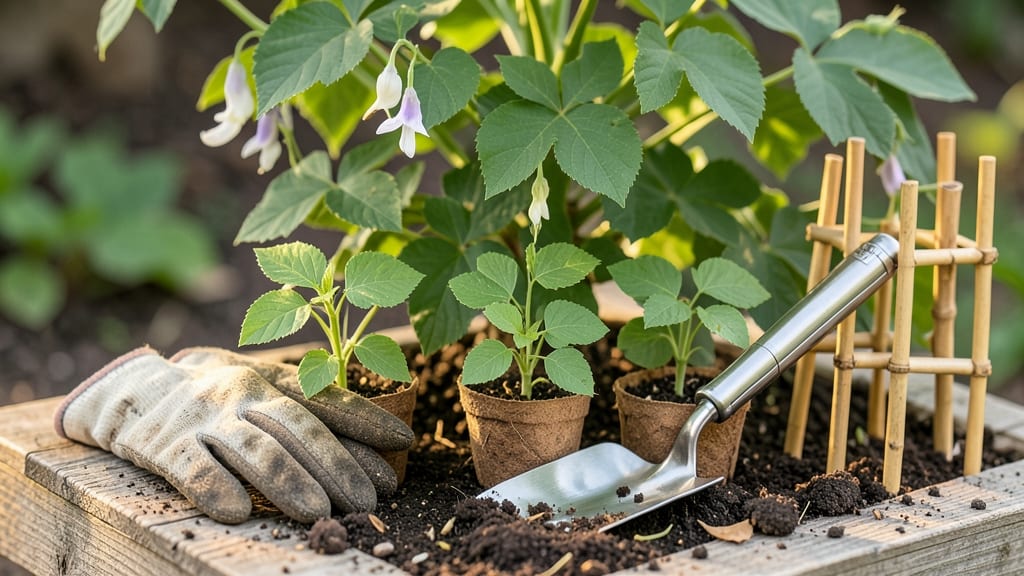
If you've ever stared at your calendar in early April wondering when to plant green beans in Missouri, you're not alone—those unpredictable spring frosts can turn a hopeful gardener into a nervous one.
The good news? Missouri's Heat Zone 6 gives you two clear windows to get it right, whether you're growing pole beans or bush varieties.
Planting too early risks frost damage, while waiting too long means missing the ideal 60-day growing season for crisp, flavorful pods. I've tested the perfect timing over the years, and the key is knowing your last frost date—typically around April 15—and planning for both spring and summer crops.
For a spring harvest, aim for April 15 to May 15 once soil temperatures hit 60°F. But don't stop there—late July to August plantings can extend your harvest into fall, giving you fresh green beans well past September.
The secret? Succession planting and the right varieties for Missouri's climate.
Whether you're a beginner or a seasoned gardener, I'll walk you through the exact steps to time your plantings for maximum yield—no more guessing, just zero-frost success. Let's get those seeds in the ground at the perfect moment.
Missouri heat zone 6 planting windows: exact dates for green beans by variety
Missouri’s Heat Zone 6 climate creates a unique opportunity for gardeners to grow green beans in two distinct seasons—spring and fall. Unlike cooler zones, you can extend your harvest by planting early pole beans and bush beans after the last frost, then again in late summer for a fall crop.
The key is understanding soil temperature thresholds and regional microclimates that can shift planting windows by weeks.
For Missouri, the average last frost date falls between April 1 and April 15, but this can vary by 10-14 days depending on your location—St. Louis may warm up faster than the Ozarks. Soil temperature is your best guide: green beans thrive when soil reaches 60°F or warmer.
Use a soil thermometer to confirm readiness before planting, as cold soil delays germination and weakens seedlings.
Here’s the exact planting schedule I follow for Missouri’s Heat Zone 6, broken down by variety and season to maximize your harvest:
| Variety Type | Spring Planting Window | Fall Planting Window | Soil Temp Requirement | Days to Harvest |
|---|---|---|---|---|
| Bush Beans (e.g., 'Blue Lake') | April 20 - May 10 (after last frost) | August 1 - August 15 | 60°F+ | 50-55 days |
| Pole Beans (e.g., 'Kentucky Wonder') | May 1 - May 15 (warmer soil) | August 10 - August 25 | 65°F+ | 55-65 days |
| Heirloom Beans (e.g., 'Rattlesnake') | April 25 - May 5 | July 30 - August 10 | 60°F+ | 60-65 days |
| Succession Planting (Bush Beans) | Every 2 weeks until June 15 | Every 2 weeks until Sept 1 | 60°F+ | 50-55 days |
My late spring planting strategy focuses on succession planting to avoid a glut of beans all at once.
For example, I plant bush beans every 2 weeks from mid-April through mid-June, ensuring a steady harvest through July and August. Pole beans, which take longer to mature, go in slightly later—around May 1-15—when the soil is consistently warmer and the risk of frost has passed entirely.
For a fall harvest, I shift gears in late summer. Plant bush beans in early August for a harvest in September, then follow with pole beans in mid-August to extend the season into October.
The goal is to have beans in the ground 8-10 weeks before the first frost (typically October 31 in Missouri), giving them time to mature before cold sets in.
Missouri’s microclimates can drastically alter these dates, so I always check local frost data from sources like the Midwest Regional Climate Center. For instance, areas like Kansas City may have 2-3 weeks earlier last frost dates than Southeast Missouri.
If you’re in doubt, use row covers or a cold frame to protect early plantings from unexpected late frosts.
One common mistake I see is planting green beans too early when the soil is still cold. This leads to poor germination and leggy seedlings that flop over. To avoid this, I always test soil temperature with a thermometer—if it’s below 60°F, wait a few more days.
For pole beans, which are more sensitive, I aim for 65°F+ soil to ensure strong root development.
Pro tip: If you’re growing heirloom varieties, like 'Rattlesnake' or 'Christmas Limas', plant them slightly earlier than commercial hybrids—they often have longer days to maturity (60-65 days vs. 50-55). This gives them extra time to adapt to Missouri’s summer heat without bolting prematurely.
For gardeners in urban areas or small spaces, consider container growing. Bush beans thrive in 5-gallon pots with full sun, and you can stagger plantings every 2 weeks for a continuous harvest.
Just ensure your containers have drainage holes to prevent root rot—a common issue in Missouri’s humid summers.
How to extend your green bean season in Missouri: frost-protection tips and succession planting
Missouri’s late spring frosts and summer heat waves can sabotage your green bean harvest if you’re not prepared. The key to a longer growing season lies in strategic succession planting and frost protection—two tactics that turn seasonal risks into continuous harvests.
Whether you’re growing pole beans, bush beans, or heirloom varieties, these methods will keep your plants thriving from early spring to late summer.
Start by staggering plantings every 2-3 weeks after your last frost date (typically April 15–May 1 in Missouri). This ensures a steady supply of fresh pods instead of a single overwhelming harvest.
For example, plant your first batch in mid-April (with frost protection), then follow up with late April, early May, and June batches for a prolonged yield.
🌱 Pro Tip: Use row covers or lightweight fabric to shield young seedlings from unexpected late frosts. These breathable barriers trap heat while allowing sunlight and water to penetrate—perfect for Heat Zone 6’s unpredictable springs. Remove covers once temperatures consistently stay above 50°F.
⚠️ Watch for Bolting!
Green beans bolt (flower prematurely) when stressed by heat or drought. To prevent this, mulch heavily with straw or grass clippings to retain moisture and cool soil. Avoid planting during peak July heat—opt for late June or August for a second crop.
For a fall harvest, sow seeds in late July or early August to take advantage of Missouri’s cooler autumn temperatures. Choose heat-tolerant varieties like ‘Blue Lake’ or ‘Contender’, which perform well in Heat Zone 6’s late-season heat.
Harvest pods before the first frost (typically late October) to enjoy crisp, flavorful beans.
Another game-changer? Cold frames or low tunnels can extend your season by 4–6 weeks in both spring and fall. These simple structures create a microclimate that shields plants from chilly nights while maximizing sunlight. Just ensure good airflow to prevent fungal diseases like powdery mildew.
Finally, monitor soil temperatures with a simple soil thermometer. Green beans thrive when soil stays above 60°F—if it’s cooler, delay planting or use black plastic mulch to warm the soil faster. With these strategies, you’ll turn Missouri’s climate challenges into a year-round green bean feast!