
Plants
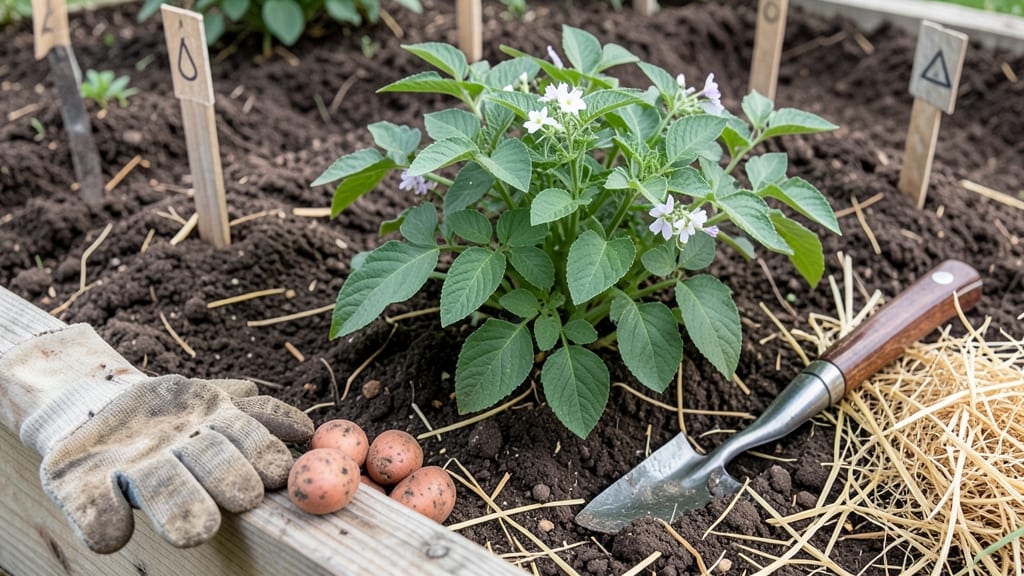
Planting potatoes in California isn’t as simple as dropping them in the dirt—your timing depends on whether you’re in frost-prone inland valleys or the mild coastal zones where 🥔 can grow year-round.
Get it wrong, and you’ll end up with stunted tubers or wasted effort. The key? Understanding your microclimate’s unique frost dates and soil conditions to pick the perfect planting window.
Inland areas like the Central Valley have strict deadlines to avoid frost damage, while coastal gardeners in San Francisco or Santa Barbara can plant almost anytime. I’ll break down the exact months for each zone—plus how to stretch your growing season with simple tricks—so you never miss a harvest again.
Ready to grow potatoes like a pro?
Whether you’re a first-time gardener or a seasoned grower, knowing when to plant is half the battle. We’ll cover early vs. late varieties, soil prep, and even how to protect your crop from unexpected chilly snaps. Let’s get those spuds in the ground the right way!
From frost-free coastal schedules to inland frost-date calculations, this guide gives you the confidence to plant potatoes at the perfect time—no more guesswork, just bumper crops. Let’s dig in!
California coastal potato planting schedule: zero-frost zones explained
If you live in California’s coastal regions—think San Francisco, Santa Barbara, or Monterey—you’re lucky enough to grow potatoes year-round with zero frost risk. Unlike inland areas, coastal zones (USDA 9a–10b) let you plant potatoes in three distinct windows: early spring, late fall, and even mild winters.
The key? Timing your plantings to match soil temperatures between 45°F and 75°F and choosing varieties that thrive in cool, moist coastal climates.
My go-to varieties for coastal California include Yukon Gold (buttery texture, great for roasting) and Red Pontiac (disease-resistant, stores well). These perform best when planted in October–March, avoiding the summer heat that stresses potatoes.
With the right schedule, you can harvest fresh tubers from December through July, ensuring a steady supply for your kitchen.
Here’s the exact planting schedule for coastal California, broken down by season, soil prep, and variety recommendations to maximize your harvest.
| Planting Window | Ideal Soil Temp | Best Varieties | Harvest Months | Notes |
|---|---|---|---|---|
| Late Fall (Oct–Nov) | 50°F–60°F | Red Pontiac, Kennebec | March–May | Plant 4–6 weeks before first frost (none expected). Use row covers for extra chill protection. |
| Winter (Dec–Jan) | 45°F–55°F | Yukon Gold, Fingerlings | April–June | Slow growth; mulch heavily to retain moisture. Ideal for winter harvests. |
| Early Spring (Feb–March) | 55°F–65°F | Russet Burbank, Purple Viking | June–July | Fastest growth; avoid planting after March 15 to prevent heat stress. |
| Late Spring (April) | 60°F–70°F | Gold Rush, Adirondack Red | July–August | Risky in hotter inland-coastal zones; stick to shade-tolerant varieties. |
For year-round harvests, I stagger plantings every 4–6 weeks starting in October. This ensures a continuous supply of fresh potatoes without gaps. For example, plant Red Pontiac in late October for a March harvest, then follow up with Yukon Gold in December for a May–June harvest.
By February, you can plant Russet Burbank for a July harvest, just as summer heat arrives.
Coastal soil tends to stay moist and cool, which is perfect for potatoes. Before planting, amend your soil with compost or well-rotted manure to improve drainage—potatoes hate soggy roots.
Aim for a pH between 5.0 and 6.5, and avoid planting in areas where potatoes, tomatoes, or peppers grew last year to prevent disease buildup.
One of my biggest mistakes was planting too late in spring (after April 15) in coastal Santa Barbara. The soil warmed too quickly, and my Russet Burbank tubers turned small and misshapen.
Now, I never plant after March 15 in coastal zones. Instead, I focus on fall and winter plantings, which yield larger, healthier tubers.
To extend your harvest season, try succession planting in raised beds. Coastal areas like San Francisco’s Bay Area benefit from raised beds because they warm up faster in spring and drain better in winter.
Fill beds with a mix of 50% compost, 30% topsoil, and 20% perlite for ideal potato-growing conditions. Water deeply once a week (or more in summer) and mulch with straw or wood chips to retain moisture.
If you’re growing potatoes in containers, choose dwarf varieties like Yukon Gold and use at least a 12-inch-deep pot with drainage holes. Coastal fog can be a blessing here—it keeps soil consistently moist, reducing
Inland California potato planting: frost-date calculations for safe harvests
Inland California—think Central Valley or Sacramento—presents unique challenges for potato growers. Unlike coastal regions, these areas face frost risks that can devastate crops if planting isn’t timed perfectly. The key? Calculating your last frost date and adjusting planting windows to match your USDA zone (typically 9a-10b inland).
For example, Fresno’s average last frost is around January 15, while Sacramento’s can be as late as February 1. These dates dictate when to plant early, mid-, and late varieties to ensure tubers mature before frost strikes again.
Potatoes thrive in cool soil temps (45–70°F), making fall and winter planting ideal for inland regions. However, planting too early—like in September—can lead to premature sprouting or blight from lingering summer heat.
Conversely, waiting until March risks late-season frost damaging emerging plants. The solution? Use a frost-date calculator (like the National Weather Service’s) and align your planting with variety maturity times.
Early varieties (60–90 days): Plant 6–8 weeks before last frost (e.g., October 1–15 in Sacramento). Examples: Red Pontiac, Yukon Gold.
Mid-season (90–110 days): Plant 4–6 weeks before last frost (e.g., November 1–15). Examples: Kennebec, Russet Burbank.
Late varieties (110–120+ days): Plant 2–4 weeks before last frost (e.g., December 1–15). Examples: Fingerlings, Blue Potatoes.
Miss the window? Use row covers or cold frames to extend the season by 2–4 weeks.
To calculate your exact planting window, start by locating your USDA zone (inland California is mostly 9a-10b) and find your average last frost date using resources like the Almanac’s Frost Calculator. Subtract the days to maturity for your chosen variety.
For instance, if your last frost is January 20 and you’re planting Russet Burbank (110 days), aim to plant by October 10. Pro tip: Adjust for elevation—higher inland areas (like foothills) may frost 2–4 weeks earlier than valleys.
Soil temperature is just as critical as frost dates. Potatoes won’t sprout until soil reaches 45°F, so use a soil thermometer to confirm readiness. Inland areas often see temperature swings—planting in November might yield 50°F soil by December, but a January cold snap could drop temps below freezing.
To mitigate risks, choose frost-resistant varieties like Kennebec or Adirondack Red, and mulch heavily with straw to insulate tubers.
Harvest timing is equally precise. Inland potatoes should be dug 2–3 weeks before first frost (e.g., by November 15 in Sacramento if frost arrives December 1). Look for yellowing foliage and toughened skins—these are your cues.
For storage varieties like Russet Burbank, cure tubers in a cool, dark, humid space (50–60°F, 85–90% humidity) for 1–2 weeks before storing. This prevents shriveling and extends shelf life by 4–6 months.
Mistakes happen, but knowing your frost dates and variety needs minimizes them. For example, planting Fingerlings (120 days) in November in Fresno (last frost: January 15) guarantees a harvest—but planting them in March risks frost damage before maturity.
By following these calculations, you’ll avoid stunted tubers and wasted effort, ensuring a bountiful harvest every season. Happy planting! 🥔