
Plants
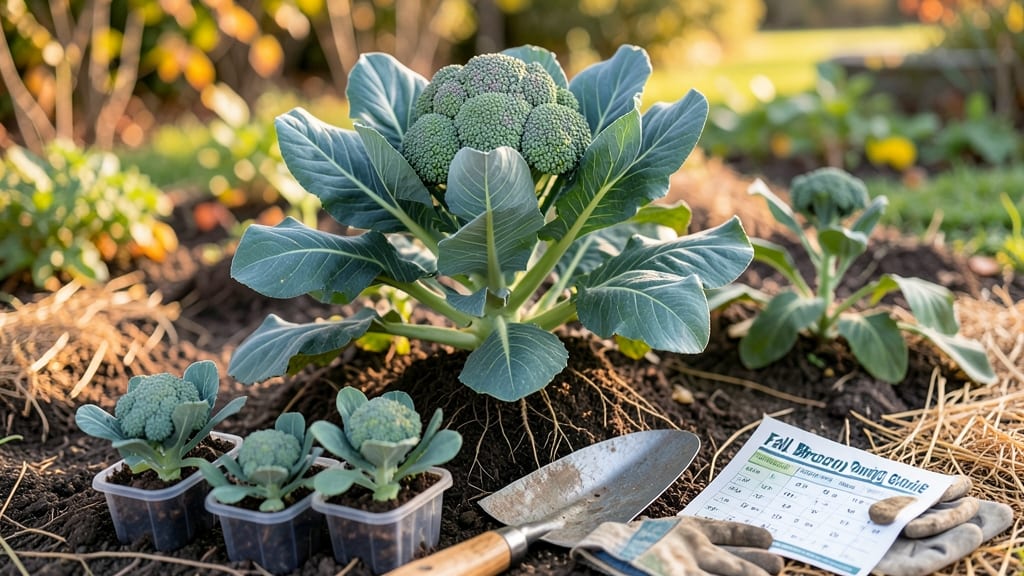
Planting fall broccoli in Zone 7 at the wrong time can mean bitter disappointment—either watching your plants bolt too early or getting frost-nipped heads before harvest.
The golden window for zero-bolt success is all about those 6-8 weeks before first frost, and getting it right means crisp, flavorful 🥦 heads straight from your garden.
Here’s the thing: timing isn’t just about dates—it’s about understanding your local microclimate. In Zone 7 (7a-7b), late summer to early fall is your sweet spot, but whether you’re in the cooler northern edge or warmer southern stretches makes a difference.
Too early, and summer heat sends your broccoli into premature flowering; too late, and frost steals your harvest before it even forms.
I’ve learned the hard way that a little preparation goes a long way. The right soil temps, shade cloth for heatwaves, and even companion plants can stretch that harvest window.
Let me walk you through the exact steps to nail your planting schedule—so you’re harvesting plump, tender broccoli heads long after your summer garden has faded.
From seed-starting to transplanting, we’ll cover the critical adjustments for Zone 7’s variable climate. Whether you’re a first-time gardener or a seasoned green thumb, these tips will help you avoid common mistakes and keep your broccoli thriving right up until winter’s first chill.
Optimal fall broccoli planting schedule in Zone 7: exact weeks before frost
Fall broccoli in Zone 7 rewards patience—plant too early, and you’ll get bitter bolts from summer heat; too late, and frost ruins your heads.
The 60-90 day rule before your first frost (typically mid-November) is your guide, but Zone 7’s North vs. South climate divides demand adjustments of 1-2 weeks.
For Northern Zone 7 (7a), aim for 8-10 weeks before frost (late August). Southern areas (7b) can push to 6-8 weeks before frost (early September). This accounts for cooler nights in the north and warmer soil in the south, which speeds germination.
Seed-starting indoors? Begin 4-6 weeks before transplanting (late July for north, early August for south). Transplants need 60-75 days to mature, so factor in heat tolerance thresholds: soil temps above 85°F trigger bolting. Use shade cloth if summer lingers.
Direct-sow seeds 4-6 weeks before transplanting (early August for north, late July for south). For succession planting, stagger sowings every 2-3 weeks until 6 weeks before frost. This ensures a continuous harvest through winter’s first frost.
Choose cool-season varieties like 'Waltham 29' (70 days) or 'De Cicco' (60 days) for Zone 7. These tolerate light frosts (28°F) and mature quickly. Avoid heat-loving types like 'Calabrese', which bolt faster in summer.
Prep soil with compost and aged manure to boost fertility. Broccoli thrives in slightly acidic soil (6.0-7.0 pH) and needs 1-2 inches of water weekly. Mulch with straw or leaves to retain moisture and regulate soil temps.
Watch for cabbage worms and aphids in fall. Use row covers or neem oil to protect plants. Harvest heads when 4-6 inches wide and deep green, cutting 6 inches below the head to encourage side shoots.
After harvest, pull plants and compost them to prevent disease buildup. Rotate next year’s broccoli to a different bed—this breaks pest cycles and improves soil health for future fall crops.
Pro tip: Mark your first frost date on a calendar and count back 60-90 days. Adjust for local microclimates (valleys frost earlier; hills later). With precise timing, you’ll enjoy crisp, sweet broccoli well into winter!
How to adjust planting for zero-bolt broccoli in Zone 7’s variable climate
Zone 7’s unpredictable heat spikes and early frost risks can turn your broccoli into bitter bolts or frozen failures. The key to zero-bolt success lies in soil temperature management and strategic transplanting—not just calendar dates. Let’s break down how to outsmart Zone 7’s quirks for perfect fall broccoli.
First, monitor your soil temperature like a hawk. Broccoli seeds need soil at 40–50°F (4–10°C) to germinate, but above 85°F (29°C) triggers bolting. Use a soil thermometer to check before planting.
If your soil runs hotter, opt for shade cloth (30–50%) over seedlings to keep them cool during late summer heatwaves.
For transplanting success, harden off seedlings for 7–10 days before moving them outdoors. Zone 7’s North vs. South divides matter too: Northern Zone 7 (7a) can handle transplants until early September, while Southern Zone 7 (7b) should stop by mid-August to avoid heat stress.
Choose heat-tolerant varieties like 'Waltham 29' or 'De Cicco' for extended harvests.
⚠️ Heatwave Warning
If daytime temps hit 90°F+ (32°C+) after transplanting, broccoli will bolt in 3–5 days. Immediate fixes: Shade cloth, daily watering (1 inch/day), and mulch (straw or grass clippings) to cool roots. Avoid fertilizing—nitrogen speeds up bolting.
Extend your harvest window by succession planting every 2 weeks from mid-July to early September. This ensures a steady supply of fresh heads before frost. For late-season plants, use row covers to protect against light frosts (28–32°F/-2 to 0°C), which can actually sweeten the flavor of broccoli.
Finally, mulch heavily (3–4 inches) with straw or leaves to insulate roots and retain moisture. This extends the growing season by 2–3 weeks in Zone 7’s cooler fall months. Pair your broccoli with companion plants like dill or celery to deter pests and improve growth.
With these adjustments, you’ll avoid bolting and harvest until hard frost—even in Zone 7’s fickle climate. 🌱