
Plants
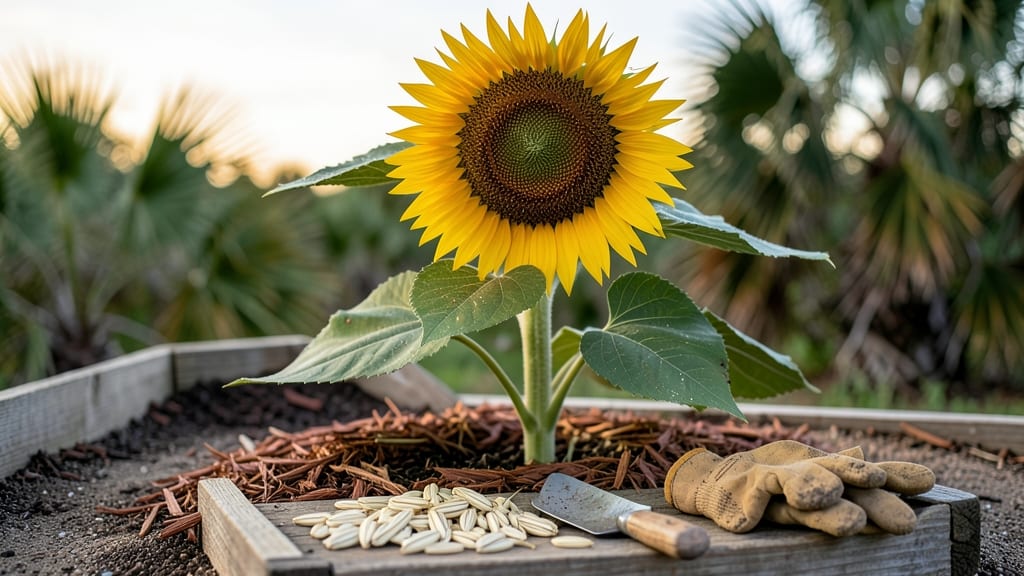
Planting sunflower seeds in Florida isn’t just about timing—it’s about beating the heat and humidity to grow those towering 🌻 giants you’ve always dreamed of.
Unlike cooler climates, Florida’s frost-free zones mean you’ve got two prime windows to sow seeds without risking frost damage, but one wrong move can leave you with stunted plants or early wilting.
Most gardeners make the mistake of waiting too late in summer, only to watch their sunflowers struggle under the relentless sun. The secret is planting in early spring or late summer when soil temperatures are just right—70°F+—for those seeds to sprout strong and fast.
I’ll show you exactly when to start, how to prep your soil, and why Florida’s heat zones matter more than you think.
Whether you’re in zone 9a or pushing the limits in zone 11, the right timing can mean the difference between a 6-foot bush and a 12-foot sun-soaked giant. Let’s dive into the Florida-specific schedule that’ll give you the biggest, brightest blooms all season long.
Ready to skip the guesswork? I’ll walk you through two foolproof planting windows, soil prep hacks, and even how to handle Florida’s pesky pests—so you can enjoy sunflowers from May through November without the stress.
Florida heat zone planting timeline for sunflower seeds
Florida’s 11 USDA climate zones create a unique challenge for sunflower growers—too early, and you risk heat stress; too late, and you miss the fall bloom window. The key is planting when soil temperatures hit 70°F+ and staying ahead of summer’s brutal 90°F+ days.
Let’s break down the optimal planting windows by zone to maximize your sunflower’s height and harvest potential.
In North Florida (zones 8A-9A), like Jacksonville or Gainesville, your last frost typically falls around January 15. This means you can start sowing sunflower seeds as early as February—but only if you’re prepared to protect seedlings from unpredictable cold snaps.
For Central Florida (zones 9B-10A), like Orlando or Tampa, you’ve got until April 15 for spring planting, while South Florida (zones 10B-11), including Miami and Key West, can plant year-round with fall being ideal.
Here’s the golden rule: Aim to plant 60-90 days before your first expected frost (or 120 days before for giant varieties). In most of Florida, that means spring planting by April for summer blooms or fall planting by September for winter harvests.
Miss these windows, and you’ll end up with stunted plants or no flowers at all.
🌱 Did You Know? Florida’s humidity and heat can cause sunflowers to bolt prematurely (shoot up too fast). To prevent this, mulch heavily and water deeply—but avoid overwatering, which leads to root rot.
🌻 Florida Sunflower Planting Timeline by Zone
| Zone | Last Frost | Best Planting Window | Soil Temp for Germination | Harvest Window |
|---|---|---|---|---|
| 8A (North FL) | Jan 15 | Feb 15 - Mar 31 | 70°F+ | May - June |
| 9A (Panhandle) | Jan 31 | Feb 15 - Apr 15 | 70°F+ | May - July |
| 9B-10A (Central FL) | Feb 15 | Feb 1 - Apr 30 | 70°F+ | May - August |
| 10B-11 (South FL) | None (frost-free) | Aug 1 - Sep 30 (fall) or year-round | 70°F+ | Oct - Nov (fall) or year-round |
💡 Pro Tip: Use row covers for early spring plantings in zones 8A-9A to protect seedlings.
If you’re in North or Central Florida, spring planting (February-April) gives you the best shot at taller sunflowers with longer stems. However, planting too early (before March 1) risks heat stress once temperatures climb above 85°F.
For South Florida growers, fall planting (August-September) is ideal—you’ll avoid the peak summer heat and still enjoy winter blooms.
For giant sunflower varieties (like Mammoth or Russian Giant), plant in early spring (February) to give them 120+ days to mature. Dwarf varieties (like Teddy Bear) can handle late summer plantings (July-August) but may bolt faster in Florida’s heat.
One critical mistake Florida gardeners make? Planting in late summer (June-July). While the seeds may germinate, the intense heat and humidity cause plants to struggle or wilt before flowering.
Instead, opt for sequential planting—sow a small batch every 2 weeks in spring or fall to stagger your harvest.
To check if your soil is ready, use a soil thermometer. Sunflower seeds need consistent temperatures above 70°F to germinate.
If your soil is cooler, wait 1-2 weeks or use black plastic mulch to warm it faster. Pro tip: Plant in raised beds for better drainage and warmer soil in cooler zones.
Finally, remember that Florida’s long growing season means you can plant sunflowers twice a year—once in spring and once in fall. By following this heat zone timeline
How to choose between direct sowing and transplanting sunflower seeds in Florida
Deciding whether to direct sow or transplant sunflower seeds in Florida depends on your heat zone and local climate. In zones 9-11, direct sowing is the gold standard—it’s simpler, faster, and gives sunflowers the strong root systems they need to handle Florida’s intense heat.
But in cooler coastal areas like zone 8A, transplanting gives you a head start before the summer blazes arrive.
I’ve planted sunflowers in both ways across Florida, and the difference in height and bloom time is night and day. Direct-sown sunflowers in zone 10 often reach 10 feet by June, while transplanted ones in zone 8A might take an extra month to catch up.
Let’s break down the best method for your location and how to avoid common pitfalls like bolting or leggy growth.
- Faster growth – No transplant shock
- Stronger roots – Adapts to Florida’s heat
- No replanting – Less labor after sowing
- Best for zones 9-11 – Ideal for hot summers
- Late starts – Risk of heat stress if planted too late
- Thinning needed – Extra step for spacing
- Earlier blooms – Head start in cooler zones
- Control spacing – No thinning required
- Better for zone 8A – Avoids summer heat stress
- Reuse containers – Great for small gardens
- Transplant shock – Can stunt growth if not careful
- More labor – Requires starting indoors
- Root damage risk – Handle seedlings gently
For direct sowing, aim to plant seeds 1 inch deep and 6 inches apart in well-drained soil after the last frost. In zones 9-11, this means sowing in February-March for spring blooms or August-September for fall.
Water deeply after planting to encourage germination, and keep soil moist until seedlings emerge—usually within 7-14 days if soil temps are 70°F+.
If you’re in zone 8A or coastal areas with cooler springs, transplanting is your best bet. Start seeds indoors 4-6 weeks before your last frost date (typically mid-March) and harden them off before moving to the garden.
Use biodegradable pots to minimize root disturbance when transplanting. Space seedlings 12-18 inches apart to give them room to grow tall without competing for nutrients.
Post-planting care is critical to avoid bolting (premature flowering) or leggy growth12 inches apart once they’re 3-4 inches tall to reduce competition. For transplants, mulch around the base to retain moisture and keep roots cool.
In Florida’s heat, water deeply every 3-5 days during dry spells, focusing on the soil—not the leaves—to prevent fungal issues like powdery mildew.
Pro tip: If you’re in zone 10 or 11, try sequential planting—sow a new batch every 2 weeks in spring and fall. This ensures continuous blooms from May through November, giving you sunflowers all season long.
Just remember, never plant sunflowers in late summer (July-August) unless you’re in zone 11, as the heat can cause seeds to rot before germinating.
Whether you choose direct sowing or transplanting, the key is timing and patience. Florida’s climate rewards those who plan ahead—so mark your calendar, prep your soil, and get ready for sunflowers that’ll make your neighbors green with envy. 🌻