
Flowers
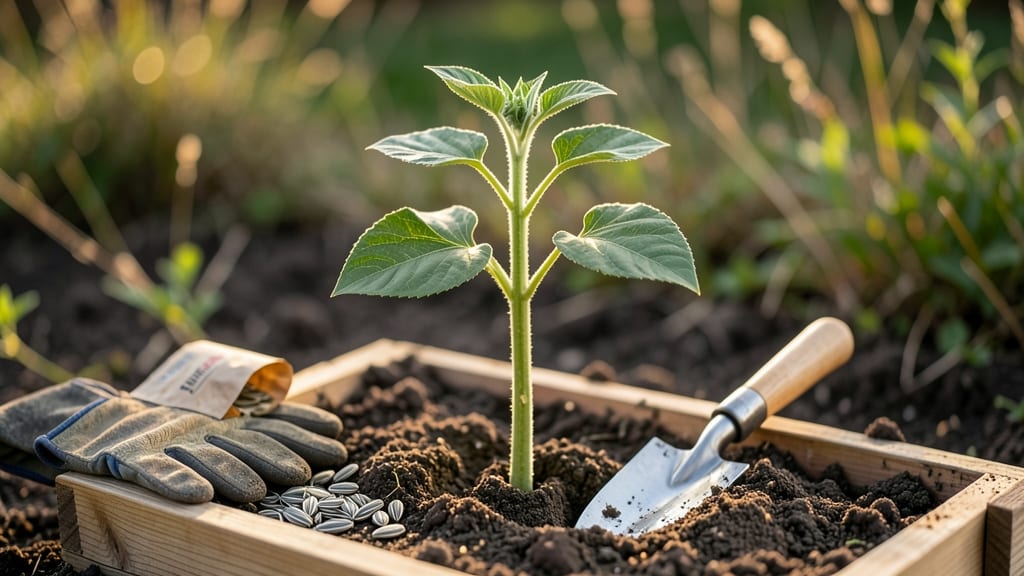
Planting sunflowers in Tennessee at the wrong time means watching your 🌻 dreams wilt before they even bloom—especially in Heat Zones 7a/7b, where summer heat can turn hopeful seedlings into crispy snacks faster than you can say "last frost."
Most gardeners in Tennessee know timing matters, but the exact window between mid-April and early June is where the magic happens. Too early, and frost will nip your seedlings in the bud. Too late, and summer’s relentless heat can stress your plants before they reach their towering potential.
I’ve grown sunflowers for years in Tennessee’s unpredictable climate, and I’ll show you exactly when to plant—plus the simple tricks to give your sunflowers the best shot at thriving. From soil prep to spacing, we’ll cover everything so your garden becomes a sunflower paradise by July.
Ready to turn your yard into a golden masterpiece? Let’s get those seeds in the ground at the perfect moment—because patience and timing are the secrets to bold, healthy blooms that’ll make your neighbors green with envy.
Optimal sunflower planting timeline for Tennessee’s heat Zone 7a/7b
Timing your sunflower planting in Tennessee’s Heat Zones 7a/7b can mean the difference between towering 10-foot giants and sad, stunted blooms. The key is planting after the last frost date—typically mid-April for Nashville, Chattanooga, and Knoxville—but before summer’s intense heat stresses young seedlings.
Get this wrong, and you’ll miss the July-October blooming window entirely.
Direct sowing seeds 1 inch deep and 6 inches apart is the best method for Tennessee’s climate, as sunflowers hate transplanting. I’ve learned this the hard way—transplanted sunflowers often bolt prematurely or develop weak stems in our humid summers.
Let’s break down the month-by-month schedule to maximize your sunflower success.
🌱
| Region | Last Frost Date | Ideal Planting Window | Soil Temp Requirement | Direct Sowing | Transplanting |
|---|---|---|---|---|---|
| Nashville | April 15 | April 20 - May 15 | ≥50°F (10°C) | Best method; sow 1" deep | Avoid; weak recovery |
| Chattanooga | April 10 | April 15 - May 10 | ≥50°F (10°C) | Sow 1" deep, 6" apart | Only if started indoors |
| Knoxville | April 20 | May 1 - May 20 | ≥50°F (10°C) | Direct sow after frost | Risk of bolting |
| All Regions | N/A | June 1 (late planting) | ≥60°F (15°C) | For fall blooms | Not recommended |
For Nashville gardeners, April 20 to May 15 is your golden window—when soil temperatures hit that critical 50°F threshold and nighttime frosts are a distant memory.
In Chattanooga’s slightly milder microclimate, you can start 5-7 days earlier, while Knoxville’s higher elevation keeps you waiting until early May to avoid late frosts.
If you’re eager to experiment, a late June planting can yield fall-blooming sunflowers, but only if your soil stays above 60°F. I’ve had success with this in Nashville’s urban heat islands, where concrete absorbs heat and extends the growing season by 1-2 weeks.
Just be prepared for bolting—sunflowers rush to flower when days shorten in late summer.
One non-negotiable rule in Tennessee: never plant before soil warms. Cold soil delays germination and invites damping-off disease. Use a soil thermometer—I keep one handy in my gardening toolkit—to confirm 50°F+ before sowing.
Pro tip: Black plastic mulch can raise soil temps by 5-10°F, giving you an earlier start in cooler microclimates like elevated Knoxville gardens.
💧
Watering strategy is just as critical as timing. After planting, keep soil consistently moist (but not soggy) for the first 2 weeks—this is when most seedlings fail. Once established, sunflowers are drought-tolerant, but Tennessee’s summer heat can still stress them.
I’ve found that morning watering (before 10 AM) reduces leaf scorch and fungal risks. During heatwaves, increase frequency to every 2-3 days—my 10-foot 'Russian Giant' varieties wilt dramatically if neglected.
For gardeners in urban Nashville or Chattanooga’s river valleys, microclimates play a huge role. South-facing walls or paved surfaces can create heat islands where sunflowers thrive 2 weeks earlier than in shaded backyard beds.
Test your spot: If it’s 10°F warmer than your reference thermometer, you’ve got a prime microclimate for early planting.
🌡️
Don’t overlook succession planting—this is my secret to non-stop sunflower blooms from July through October. Sow a new batch every 2 weeks starting in late April. The first planting gives you July blooms, the second August flowers, and the third fall color just as summer fades.
Just remember: spacing matters. Crowded sunflowers produce smaller, weaker stems—thin seedlings to 12-18 inches apart once they’re 4 inches tall.
Finally, choose heat-tolerant varieties like 'Autumn Beauty' or 'Moulin Rouge
Optimal sunflower planting timeline for Tennessee’s heat Zone 7a/7b
Tennessee’s Heat Zones 7a/7b offer a 180-220 day growing season, meaning sunflowers have just enough time to grow from seed to towering beauty—but only if planted at the right time.
The ideal window for direct sowing is mid-April to early June, right after the last frost date, which typically lands around April 15 for Nashville and slightly earlier for Memphis.
If you’re eager to start earlier, you can sow seeds indoors 2-3 weeks before the last frost (around mid-March), but be prepared to transplant seedlings carefully once temperatures stabilize. This gives your sunflowers a head start before the summer heat kicks in and stresses young plants.
Here’s the month-by-month breakdown for planting sunflowers in Tennessee, including regional adjustments for Nashville, Chattanooga, and Knoxville:
| Month | Planting Method | Soil Temp Requirement | Regional Notes (TN) |
|---|---|---|---|
| Late March | Indoor Start (Transplant Later) | 60-65°F (Indoor) | Memphis only; Nashville/Chattanooga wait until April. |
| Mid-April | Direct Sow (After Last Frost) | 50°F+ (Minimum) | Nashville/Chattanooga: April 15; Knoxville: April 20. |
| May | Direct Sow (Best Time) | 55-65°F (Optimal) | Ideal for all regions; avoids late frost risks. |
| Early June | Direct Sow (Late Planting) | 60°F+ (Minimum) | For short-season varieties; expect smaller blooms. |
For direct sowing, wait until the soil reaches at least 50°F—cold soil can stunt germination. Use a soil thermometer to check, especially in early spring when nights are still chilly. Once planted, maintain consistent moisture (but avoid waterlogging) to encourage strong root development before the summer heat arrives.
Pro tip: If you’re in a high-altitude area like Knoxville (Zone 6b), push planting back to late April to avoid late spring frosts. Meanwhile, Memphis gardeners (Zone 7b) can start as early as mid-March indoors or late March outdoors for a longer growing season.
Remember, sunflowers are fast growers—some varieties reach maturity in just 60-80 days. By planting in mid-April to early May, you’ll ensure your sunflowers bloom in July and August, just in time for peak summer color and pollinator activity.