
Plants
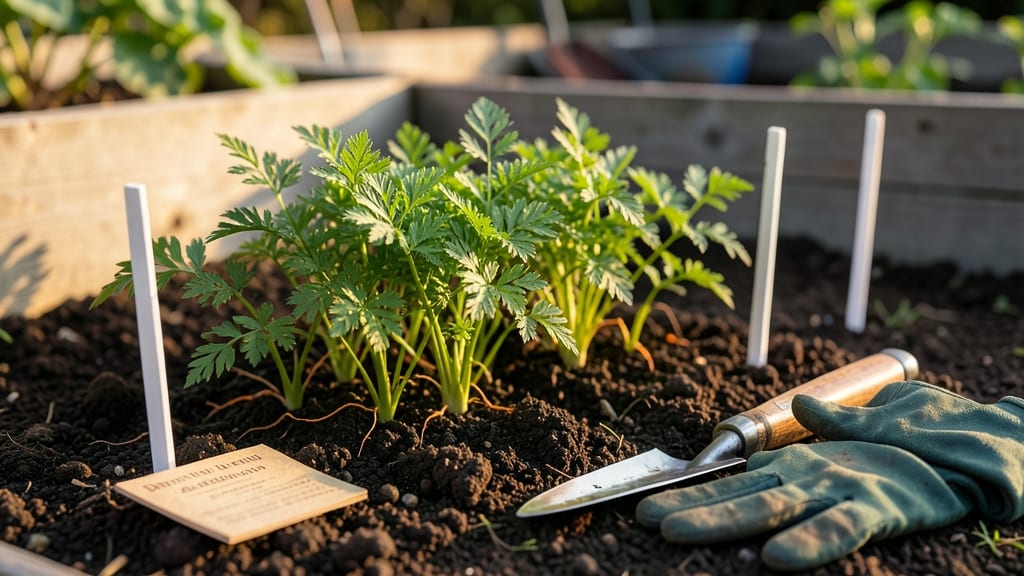
Timing your 🥕 carrot planting in Central Florida isn’t just about following a calendar—it’s about outsmarting the heat, humidity, and unpredictable summer storms that can turn your crisp roots into bitter, stringy failures.
I’ve learned the hard way that planting too early risks bolting from the heat, while waiting too long means your garden will be overrun by weeds before those sweet orange roots even think about growing.
Here’s the secret: two ideal windows exist in Florida’s 9a zone—fall and spring—each with its own tricks to beat the climate.
Whether you’re in Orlando’s urban heat islands or Gainesville’s slightly cooler microclimates, the right timing can mean the difference between a bountiful harvest and a disappointing patch of leafy tops with no roots to show for it.
In this guide, I’ll break down exactly when to plant for maximum success, how to extend your growing season to avoid summer’s worst, and the common mistakes that derail even the most eager gardeners. Let’s get those carrots growing right—no guesswork, just results.
You’ll discover how to read your local microclimate, pick the best varieties for Florida’s soil, and even troubleshoot when things go wrong. Ready to dig into the details?
Best planting months for carrots in Central Florida’s microclimates
Central Florida’s diverse microclimates—from Tampa’s coastal warmth to Gainesville’s inland dryness—create unique challenges for growing carrots. The key to success lies in aligning your planting schedule with soil temperatures, frost dates, and heat escape strategies.
Unlike northern climates, Florida’s USDA Zone 9a allows for two primary planting windows: fall and spring. Each zone (Orlando, Tampa, Gainesville) has slight variations in timing due to humidity, wind patterns, and urban heat islands.
For fall planting, aim for late August through October—this gives carrots 60-70 days to mature before summer’s heat returns. Spring planting should start mid-February to early March, allowing harvests by late May before the dog days of summer stress the plants.
Missing these windows risks bolting (premature flowering) or stunted growth from extreme heat. Let’s break down the ideal planting months for each microclimate, including soil temperature thresholds and frost risk.
In Tampa’s coastal microclimate, the longer growing season allows for slightly earlier fall plantings (late August) and later spring plantings (mid-February). The Gulf winds moderate temperatures, but humidity levels above 80% can promote fungal diseases.
To combat this, I recommend raised beds with compost to improve drainage and add 1 inch of mulch to retain moisture without suffocating roots.
Orlando’s urban heat island effect makes soil temperatures rise faster, so I prioritize early September plantings for fall. The city’s concrete and asphalt absorb heat, raising soil temps by 5-10°F compared to rural areas.
For spring, I wait until late February to avoid 32°F nighttime dips that can stunt young seedlings. A trick I’ve used is planting near mature oak trees—their dappled shade keeps soil temps cooler by 10°F during peak afternoon heat.
Gainesville’s higher elevation and drier climate create the shortest growing window, but also the coolest soil temps. I plant my first fall crop in mid-August to capitalize on the 60-70°F soil temps before they drop below 55°F in November.
For spring, I start seeds indoors in early March and transplant after the average last frost (January 15). The drier air reduces bolting risks, but I still use drip irrigation to maintain consistent moisture.
Regardless of microclimate, soil temperature is the most critical factor. Use a soil thermometer to confirm temps are between 60-70°F before planting. If temps exceed 80°F, carrots will bolt or develop woody, bitter roots.
In Orlando, I’ve seen soil temps hit 90°F by 10 AM in June—this is why I avoid summer plantings entirely. Instead, I focus on succession planting every 2-3 weeks during the optimal windows to ensure a continuous harvest.
For fall harvests, aim to plant 60-70 days before the first expected frost (December 15). In Tampa, this means a late October planting for a November-January harvest. In Gainesville, I plant early September for a late October-December window.
Spring plantings should be timed for harvest by late May before the summer solstice heat (June 21) stresses the plants. I’ve found that ‘Danvers’ and ‘Nantes’ varieties handle Florida’s heat slightly better than standard ‘Chantenay’ types
How to extend carrot growing season in Central Florida’s heat
Central Florida’s summer heat can turn your carrot patch into a bolting disaster, but with the right strategies, you can enjoy fresh harvests year-round. The key is heat management—whether through shade, timing, or variety selection.
I’ve grown carrots successfully in Orlando’s 90°F+ summers by combining these techniques, and I’ll share my proven methods below.
First, focus on heat-tolerant varieties like ‘Danvers’ or ‘Nantes’, which handle Florida’s clay-heavy soils better than delicate heirlooms. These varieties also resist bolting (flowering prematurely) when temperatures climb. Pair them with succession planting to keep your garden producing while avoiding peak heat stress.
🌱
- 🌿 Use 30% shade cloth during May–September to keep soil temps below 85°F. Stake it 2 feet above plants to avoid blocking light.
- 📅 Plant in August & February—avoid March–April when soil temps exceed 80°F. Use a soil thermometer to confirm.
- 💧 Mulch with 2–3 inches of straw to retain moisture and block heat. Replenish every 2–3 weeks in summer.
- 🥕 Choose short-day varieties like ‘Paris Market’ (round, heat-resistant) or ‘Chantenay’ (thick roots, less bolting).
- 🌡️ Water deeply at dawn—1 inch every 3–5 days—to encourage deep root growth. Avoid evening watering to prevent fungal risks.
For succession planting, sow seeds every 2–3 weeks from August through October and again in February–March. This staggered approach ensures a continuous harvest while spreading out the heat load. I’ve had success with weekly plantings in raised beds, which drain better than Florida’s native clay.
Soil moisture is non-negotiable in Central Florida’s heat. Carrots need consistent moisture to develop straight roots, but clay soils can suffocate them if overwatered. Amend beds with compost before planting to improve drainage, and use drip irrigation to deliver water directly to roots. A moisture meter helps avoid guesswork—aim for 40–50% soil moisture at 2-inch depth.
Finally, watch for bolting signs: tall, skinny tops or yellowing leaves mean it’s too hot. If this happens, harvest immediately or shade the area with a temporary row cover.
With these adjustments, I’ve extended my carrot season by 4–6 weeks in both spring and fall—proving that Florida’s heat doesn’t have to mean carrot failure.
☀️