
Plants
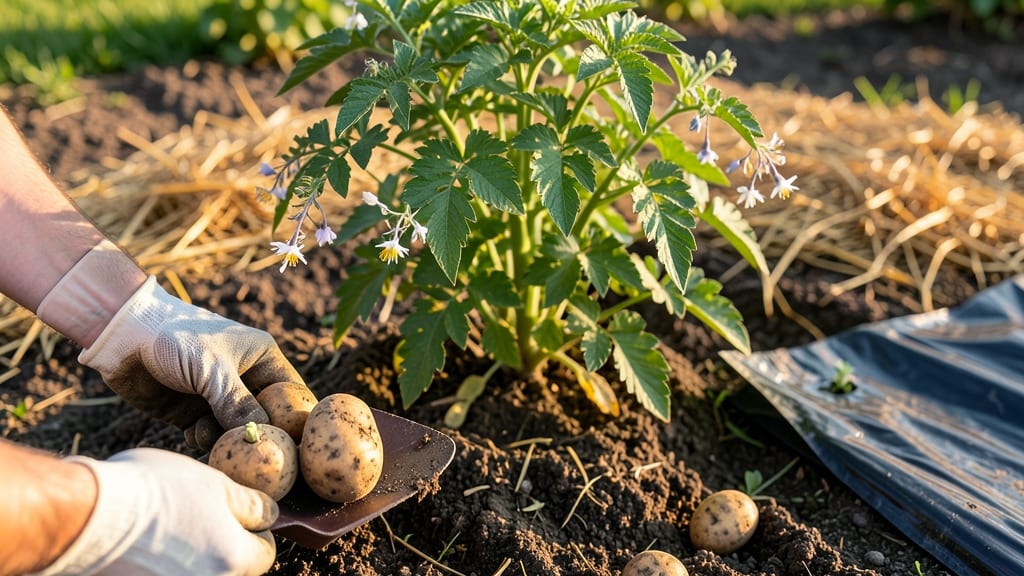
Planting potatoes in Florida isn’t just about grabbing a bag of seed potatoes—it’s about timing them perfectly to avoid stunted growth or disease. With the right window, you can enjoy a thriving 🥔 harvest twice a year, whether you're in North Florida’s cooler zones or South Florida’s tropical heat.
Most gardeners in the Sunshine State swear by late February to early March for spring planting, but that’s just the starting point. The key is understanding how your specific heat zone (8a-11) affects soil temperature and frost risk—because planting too early or too late can ruin your entire crop.
In this guide, I’ll break down the best planting windows for Florida’s microclimates, including soil prep tips and how to adjust for urban gardens or coastal areas. Whether you’re a first-timer or a seasoned grower, these strategies will help you maximize your potato yield—without the guesswork.
Ready to dig in? Let’s get your potatoes in the ground at the perfect moment for your part of Florida, so you can harvest fresh, homegrown spuds by spring or fall.
Florida heat zone planting calendar: best months to start potatoes
Florida’s diverse microclimates mean your potato planting schedule should align with your USDA heat zone. North Florida’s cooler winters (Zones 8a-9a) allow earlier spring planting, while South Florida’s frost-free growing season (Zones 10a-11) enables year-round harvests.
The key? Planting when soil temperatures hit 50°F (10°C)—this triggers consistent sprouting and tuber formation.
In North Florida, aim for late February to early March to avoid late frosts (which can occur until March 15 in some areas). South Florida gardeners can start as early as January or even September for fall harvests.
The difference? Soil warmth and daylight length—both critical for preventing blight and ensuring robust yields.
Soil temperature is your best indicator. Use a soil thermometer to confirm readiness—potatoes won’t sprout until the ground reaches 50°F (10°C). In South Florida, where summer heat can stress plants, avoid planting after May to prevent heat scorch and tuber dehydration. Instead, opt for fall planting in September for a November-December harvest.
| Florida Region | Best Planting Window | Soil Temp Threshold | Frost Risk | Harvest Time |
|---|---|---|---|---|
| North Florida (Zones 8a-9a) | Late February - Early March | 50°F (10°C) | High (until March 15) | April - May |
| Central Florida (Zones 9b-10a) | January - Early April | 50°F (10°C) | Low (occasional frost) | March - June |
| South Florida (Zones 10b-11) | January or September | 55°F (13°C) preferred | None | March or November-December |
For North Florida gardeners, early planting (late February) gives tubers time to mature before summer heat sets in. Use black plastic mulch to warm soil faster and protect against late frosts.
In Central Florida, you can stretch planting from January to April, but prioritize early spring for the best yields—summer planting risks disease pressure from humidity.
South Florida’s tropical climate allows for two harvests per year: one in spring (January planting) and another in fall (September planting). The trick? Shade cloth during peak summer (June-August) to keep soil temperatures below 85°F (29°C), which can cause tuber scab.
Aim for partial shade (30%) during these months to maintain ideal growing conditions.
If you’re in Zone 10a or higher, consider year-round planting with staggered sowings every 6-8 weeks. This ensures a continuous harvest and reduces the risk of overproduction at once. For example, plant January, March, July, and September to spread out your labor and enjoy fresh potatoes year-round.
One critical mistake Florida gardeners make? Planting too late in spring. By April, soil temperatures often exceed 70°F (21°C), which stresses potatoes and reduces yield. Instead, focus on early spring planting and use row covers to extend the season if needed.
For fall planting, start by September 1st to ensure tubers mature before holiday demand peaks.
Pro tip: Chit your seed potatoes (sprout them indoors) 4-6 weeks before planting to jumpstart growth. This is especially useful in South Florida, where longer daylight hours can delay sprouting. Place seed potatoes in a bright, cool spot (60°F/15°C) and watch for 1-inch sprouts before transplanting.
Finally, soil prep is non-negotiable. Florida’s sandy soils need organic matter (compost or aged manure) to retain moisture and nutrients. Mix in well-rotted compost to a depth of 12 inches before planting. This improves drainage and prevents waterlogged tubers, a common issue in Florida’s heavy rains.
How to adjust planting timing for Florida’s microclimates
Florida’s diverse microclimates—from the humid coastal lowlands of Miami to the cooler highlands of the Panhandle—mean one-size-fits-all planting advice won’t work. Urban gardeners in Orlando’s heat islands face different challenges than those in Gainesville’s frost-prone valleys.
The key is adapting your potato planting schedule to match your local conditions, whether that means delaying spring starts or using shade cloth in summer.
For urban gardeners with limited space, container growing lets you plant earlier in cooler microclimates (like near large buildings or shaded patios). In contrast, coastal regions like Fort Lauderdale can plant potatoes year-round, but summer heat requires extra care to prevent tuber scab and wilting.
High-altitude areas (like the Ocala National Forest) may experience unexpected frost, so adjust planting dates accordingly.
Use containers to plant 2-4 weeks earlier than ground planting in shaded areas. Choose early-maturing varieties like 'Yukon Gold' to avoid summer heat stress.
Plant September-October for fall harvests, using shade cloth (30-50%) to protect from intense afternoon sun. Mulch heavily to retain moisture.
Delay planting until mid-March to avoid late frost. Use black plastic mulch to warm soil faster and extend the growing season.
For a second harvest, plant late July-August with drip irrigation and row covers to protect from pests and heat.
To extend your growing season, try successive planting every 2-3 weeks. For example, in North Florida, start with early varieties in February, then follow with mid-season types in March.
In South Florida, you can even plant a third crop in November for a winter harvest. The trick is monitoring soil temperatures—potatoes need 50°F+ to sprout consistently.
Mulching is another game-changer. Apply 4-6 inches of straw or wood chips after planting to keep soil cool and retain moisture. In urban areas, mulch also suppresses weeds, which compete with your potatoes for nutrients.
For coastal gardens, add a layer of sand or perlite to improve drainage and prevent waterlogging during heavy rains.
Don’t forget to rotate crops annually to prevent disease buildup. Potatoes are heavy feeders, so amend your soil with compost or aged manure before planting. If you’re in a high-salinity area (like near the coast), flush the soil with fresh water a few days before planting to reduce salt buildup.
With these adjustments, you can grow potatoes successfully in any Florida microclimate—whether you're battling urban heat, coastal humidity, or high-altitude chill. The key is flexibility: stay observant, and don’t hesitate to tweak your schedule based on weather patterns. Happy planting! 🥔