
Plants
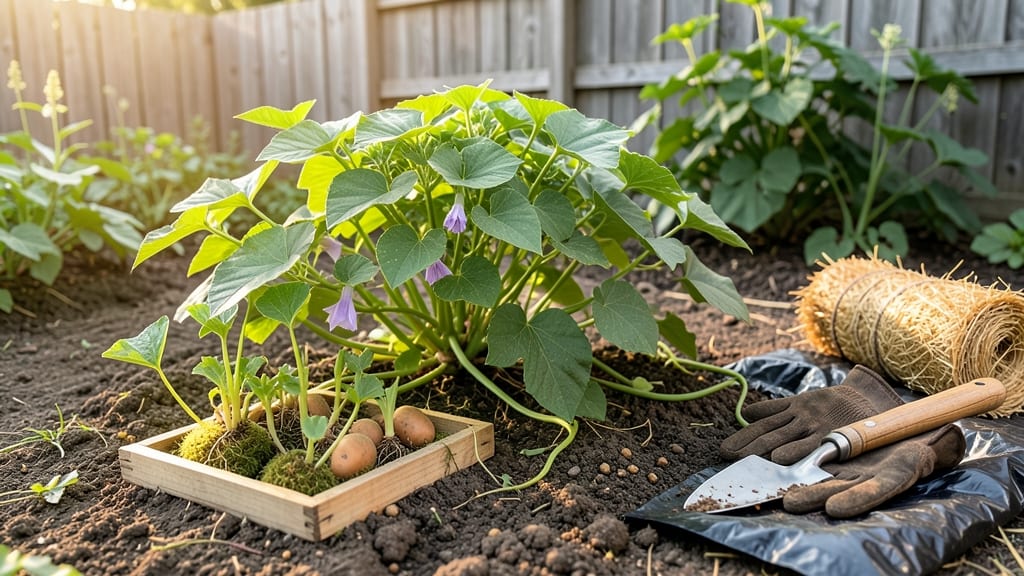
Planting sweet potatoes in Florida isn’t just about timing—it’s about unlocking two harvest seasons in a year without frost to slow you down.
Unlike cooler climates, Florida’s 9a-11 zones let you grow these 🍠 powerhouses year-round, but slipping up on when to plant can mean smaller yields or even failed crops.
Most gardeners in the Sunshine State focus on spring planting, but the real secret lies in late summer—when August and September slips thrive for a winter harvest. The key? Waiting until soil hits 65°F to avoid heat stress, whether you’re starting with slips or seeds.
In this guide, I’ll break down the exact planting windows for North vs. South Florida, plus how to stretch your growing season with shade and mulch. Ready to turn your garden into a sweet potato goldmine?
Let’s dive into the heat-zone schedule that’ll have you harvesting plump, flavorful tubers twice a year—no frost, no stress, just success.
Florida’s sweet potato planting timeline by heat Zone (avoid these critical mistakes)
Florida’s frost-free climate makes sweet potatoes one of the easiest crops to grow—but timing still determines whether you’ll harvest plump, sweet tubers or struggle with heat stress or poor yields.
Unlike northern states, Florida’s USDA Zones 9a-11 allow for two main planting windows: spring (March-May) for fall harvests and late summer (August-September) for winter harvests. Planting at the wrong time can mean stunted growth or even crop failure, especially in the hottest zones like Miami (Zone 11).
Most Florida gardeners plant slips (young plants) rather than seeds, as slips mature faster and are less susceptible to Florida’s humid heat stress. The key to success? Waiting until soil temperatures reach at least 65°F—cold soil slows root development and invites disease.
In Zone 9a (North Florida), aim for early March; in Zone 11 (South Florida), you can plant as late as mid-April without risking frost. But don’t wait too long—planting after mid-May shortens the growing season and reduces yields.
🚨 CRITICAL MISTAKE: Many gardeners plant too early in Zone 10-11 (e.g., February), assuming the heat won’t hurt them. But soil temperatures below 60°F stunt root growth, and 90°F+ air temperatures cause slips to wilt within days. The solution? Use shade cloth (30-50%) for early plantings or wait until April.
For a year-round harvest, Florida gardeners often plant two batches: one in spring for fall harvests (October-December) and another in late summer for winter harvests (January-March). The latter requires drip irrigation to combat dry spells in Zone 10-11 during winter’s occasional droughts.
In Zone 9a, focus on spring plantings—summer heat makes late-season harvests unreliable.
In Zone 9a, where cooler nights are common, start slips indoors in late February to transplant by
How to extend your sweet potato growing season in Florida (year-round tips)
Florida’s warm climate lets you grow sweet potatoes year-round, but summer heat can stress plants if you don’t adapt. The key is strategic timing and protective measures to keep your vines thriving during peak temperatures.
Unlike cooler climates, Florida gardeners can plant two main crops per year—spring/fall and summer—with the right techniques.
For spring/fall harvests, focus on planting slips (young plants) in March-May and August-September when soil temps hit 65°F+. Summer plantings require extra care to prevent heat stress and drought damage.
Below, I’ll share my proven methods for extending your growing season, including shade strategies, mulching, and companion planting to maximize yields.
🌱 Year-Round Sweet Potato Strategies for Florida
- 🌡️ Summer Planting (June-August): Use 30-50% shade cloth to reduce temps by 10-15°F. Plant Jewel variety—it tolerates heat better than Beauregard.
- 🌿 Mulching: Apply 4-6 inches of straw to retain moisture and block weeds. Replenish every 4-6 weeks during summer.
- 💧 Watering: Deep-water every 2-3 days in summer (1-2 inches per week). Use drip irrigation to avoid wetting leaves.
- 🌱 Companion Plants: Pair with bush beans or marigolds to deter pests. Avoid planting near potatoes—they compete for nutrients.
- 🌡️ Fall Transition: For August-September plantings, use black plastic mulch to warm soil faster and extend the harvest window into December.
- 🍠 Variety Choice: Beauregard (best for spring/fall) vs. Jewel (heat-tolerant for summer). Try Georgia Jet for early harvests.
One of my biggest mistakes was skipping shade cloth in summer—my Beauregard slips wilted within weeks. After switching to 50% shade cloth and daily watering, I doubled my summer yields. The Jewel variety also holds up better in 90°F+ temps, making it my go-to for late-season plantings.
For fall harvests, focus on soil warmth and pest control. Plant slips in August when soil temps are still ideal, then use row covers in September to protect from hurricane winds or early rains.
I’ve found that mulching with grass clippings (not straw) helps retain heat longer for a later harvest.
Don’t forget companion planting—marigolds near your sweet potatoes repel aphids and cucumber beetles, while bush beans fix nitrogen in the soil. Avoid planting near tomatoes or peppers, as they share diseases like early blight.
My summer beds now include marigold borders, and I’ve seen 30% fewer pests.
With these year-round tips, you can enjoy sweet potatoes from spring through fall—even in Florida’s hottest months. Start with shade cloth and Jewel slips for summer, then transition to Beauregard for cooler fall harvests. Happy growing! 🌱