
Plants
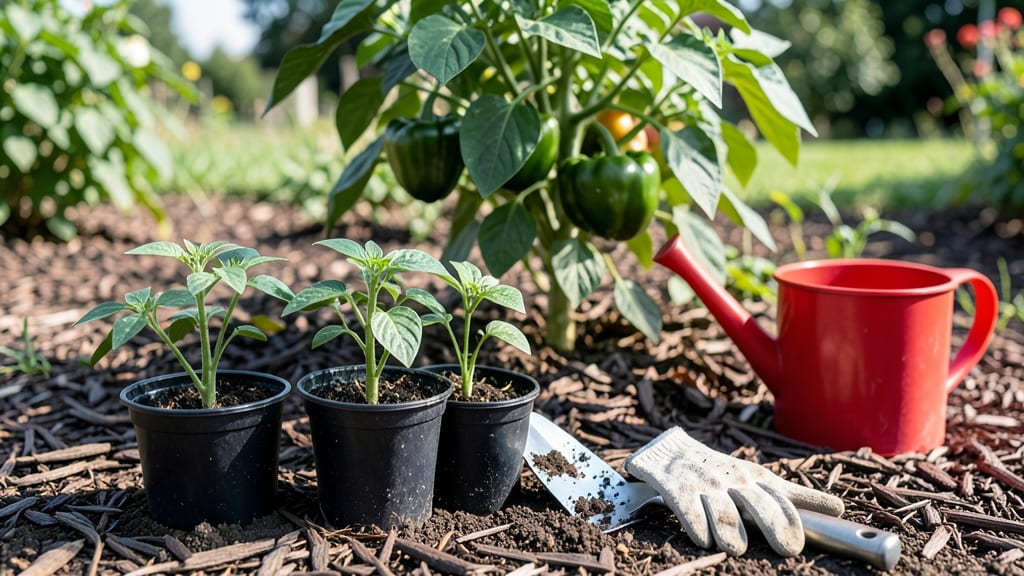
Planting bell peppers in South Florida might seem tricky—after all, you don’t have to worry about frost, but the heat can still throw a wrench in your plans.
The key to success lies in timing your plantings just right to avoid heat stress, especially during those sweltering summer months when even the hardiest plants can struggle.
With year-round growing potential in zones 10a-11, you can actually harvest 🌶️ bell peppers twice a year if you play your cards right.
But whether you're starting seeds indoors or transplanting seedlings, knowing when to put them in the ground makes all the difference between a bountiful harvest and a sad, wilted disappointment.
I’ve learned the hard way that planting too early in the spring can leave your peppers struggling under the midday sun, while waiting too long in the fall might cut your harvest short before the cooler weather sets in.
Let’s break down the perfect planting schedule so you can maximize your garden’s potential without the guesswork.
From avoiding hurricane season disruptions to adjusting for South Florida’s microclimates, I’ll show you exactly when to plant—whether you’re aiming for a spring harvest or a fall one—and how to keep your peppers thriving all year long.
Optimal bell pepper planting windows in South Florida’s heat zone 10B
South Florida’s Heat Zone 10B offers a unique advantage for growing bell peppers—no frost to worry about! But without seasonal temperature shifts, timing your transplanting becomes critical to avoid heat stress or bolting.
The key is leveraging two distinct planting windows: spring and fall. These schedules align with natural temperature dips and humidity changes, ensuring your peppers thrive year-round.
Unlike northern climates, bell peppers in South Florida can be planted almost anytime, but the ideal transplant windows are February-March for spring and August-September for fall. This timing avoids the peak summer heat (June-August) and the cooler, drier winter months (December-January), both of which stress pepper plants.
Let’s break down the specifics for each window.
| Planting Window | Ideal Transplant Months | Soil Temperature Threshold | Key Considerations |
|---|---|---|---|
| Spring | February–March | 65°F+ (use black plastic mulch to warm soil faster) | Avoid transplanting after April—summer heat arrives quickly; harvest before June. |
| Fall | August–September | 70°F+ (humidity drops in fall, reducing heat stress) | Transplant after hurricane season peaks (late September) to minimize storm damage. |
| Year-Round Tips | N/A | Use shade cloth (30-50%) during peak summer (June–July) | Succession plant every 2-3 weeks for continuous harvests. |
For spring planting, start seeds indoors in January to give seedlings a head start. Transplant outdoors once soil temperatures reach 65°F, typically by early February. This window ensures your peppers mature before the oppressive summer heat sets in.
Use black plastic mulch to accelerate soil warming and retain moisture, which is critical in South Florida’s sandy soils.
If you’re planting in fall, aim for August to early September. The humidity drops during this period, reducing the risk of fungal diseases like blossom-end rot.
Wait until after hurricane season’s peak (mid-September) to avoid storm damage. Fall-planted peppers often produce sweeter, more flavorful fruits due to cooler temperatures and lower humidity.
One common mistake is assuming you can plant bell peppers anytime in South Florida. While it’s true you can, summer planting (June–July) requires extra care. Use shade cloth (30-50%) to protect seedlings from heat stress, which can cause bolting (premature flowering) or sun scorch.
Additionally, increase watering frequency to daily during peak summer to prevent drought stress.
To maximize your harvest, consider succession planting every 2-3 weeks within your chosen window. This staggered approach ensures a continuous supply of fresh peppers from spring through fall.
For example, plant one batch in February, another in March, and a final batch in August for a year-round harvest.
Monitor soil moisture closely, especially during dry winter months (December–February). While South Florida rarely freezes, cooler temperatures and lower humidity can stress plants. Mulch heavily with straw or pine needles to retain moisture and regulate soil temperature.
Avoid overwatering, as waterlogged soil can lead to root rot, a common issue in Florida’s heavy clay or sandy soils.
Pro tip: Use drip irrigation to deliver water directly to the roots, reducing evaporation and fungal risks. This method is especially effective in South Florida’s high humidity and intense sun. Pair it with a timed schedule to ensure consistent moisture without wasting water.
Finally, choose heat-tolerant varieties like ‘Jupiter’ or ‘Aristotle’ for South Florida’s climate. These varieties perform well in high temperatures and humidity, reducing the risk of bolting or poor fruit set. With the right timing and care, you can enjoy homegrown bell peppers year-round in Heat Zone 10B! 🌶️
How to adjust planting for South Florida’s microclimates and heat stress risks
South Florida’s microclimates create dramatic differences between coastal areas and inland regions. Coastal zones benefit from moderating ocean breezes, while inland spots can hit 100°F+ temperatures by early summer.
These variations directly impact when and how you should plant bell peppers to avoid heat stress or bolting—when plants prematurely flower and fruit.
Inland areas often experience hotter, drier conditions that can cause seedlings to wilt or bolt within days. Coastal gardens, meanwhile, may struggle with humidity-related diseases like blossom-end rot if air circulation is poor.
Understanding these regional differences lets you time plantings for maximum success, even in Florida’s extended growing season.
🌶️ Key adjustment: Shift your planting schedule 1-2 months earlier in inland zones compared to coastal areas. For example, start seeds indoors in February for inland but wait until March for coastal gardens to align with soil warming.
⚠️ callout warningFor summer planting, prioritize shade strategies like row covers or dappled shade trees. Even 3-4 hours of afternoon shade can prevent blossom-end rot by reducing heat stress on developing fruit.
I’ve had success with bamboo shade screens that filter sunlight while allowing airflow—critical for preventing fungal diseases in South Florida’s humidity.
Protect seedlings from sudden heat spikes by hardening them off gradually. Start with 1-2 hours of sun exposure on day one, then increase by 1 hour daily until they’re fully acclimated.
This 2-week process prevents shock when transplanting into 90°F+ soil. Always water deeply at the base in the morning to avoid evening moisture that fuels fungal growth.
Monitor soil moisture closely during heatwaves—bell peppers need 1-1.5 gallons of water per plant every 2-3 days in summer. Let the top 1-2 inches of soil dry between waterings to prevent root rot, but never let plants wilt.
Mulch with straw or wood chips to retain moisture and keep roots cool.
🌱 Pro tip: Stagger plantings every 2-3 weeks from January through October to ensure a continuous harvest. This succession planting strategy works year-round in South Florida and minimizes risks from hurricane season disruptions (June-November). Always have backup seedlings ready!