
Companion Plants
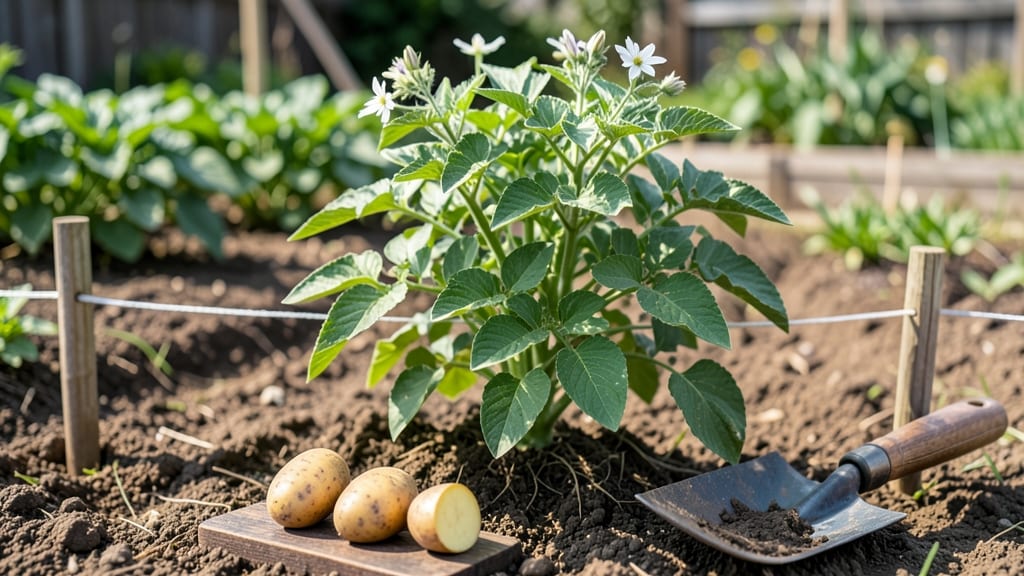
Planting your potatoes at the wrong time in Zone 6 could mean the difference between a thriving harvest of crisp, flavorful 🥔 and a disappointing yield of small, tough tubers.
You might think "early spring" is the only answer, but the truth is more nuanced. Zone 6's microclimates—from sheltered garden beds to windy hilltops—can shift your ideal planting window by weeks, and ignoring these differences often leads to wasted effort or disease-prone crops.
In this guide, I’ll break down the exact timing for early, mid-season, and late potato varieties, plus how to adjust for your specific microclimate. Whether you’re dealing with late frosts, urban heat islands, or soil that warms slowly, these adjustments will help you maximize your harvest.
Ready to stop guessing and start growing? Let’s dive into the science-backed strategies that will give you potatoes that are perfect for mashing, roasting, or storing all winter long.
Zone 6 potato planting calendar: ideal dates for early, mid-season, and late varieties
Timing your potato planting in Zone 6 depends on more than just the calendar—it’s about balancing soil temperatures, frost risks, and your chosen variety type.
With 150–200 frost-free days, Zone 6 gardeners can grow early, mid-season, or late varieties, but each requires precise timing to avoid disease, stunted growth, or missed harvests.
Most Zone 6 gardeners target late March to early May for spring planting, but the exact window shifts based on your last frost date and microclimate. Early varieties (like Yukon Gold) need cooler soils and earlier starts, while late varieties (like Russet Burbank) thrive with warmer conditions.
Below, I’ve broken down the ideal planting schedule by type, including soil temperature thresholds and frost-risk adjustments.
| Variety Type | Recommended Planting Window (Zone 6) | Days to Maturity | Key Microclimate Adjustments | Harvest Window |
|---|---|---|---|---|
| Early Varieties (e.g., Red Pontiac, Early Girl) | Late March–mid-April (soil 45–50°F) | 70–90 days | Plant 1–2 weeks earlier in south-facing slopes; use row covers for frost protection. | Mid-June–early July |
| Mid-Season Varieties (e.g., Kennebec, Yukon Gold) | Mid-April–early May (soil 50–55°F) | 90–110 days | Delay planting by 10–14 days in low-lying areas; avoid waterlogged soil. | Late July–early August |
| Late Varieties (e.g., Russet Burbank, Idaho Russet) | Early May–mid-May (soil 55–60°F) | 110–120 days | Plant black plastic mulch 2 weeks before for heat retention; harvest before first frost. | Late August–September |
For early varieties, aim to plant when soil temperatures hit 45–50°F—typically late March to mid-April in Zone 6. These potatoes mature quickly (70–90 days), making them ideal for early harvests and avoiding scab disease, which thrives in wet, cool conditions.
If your area has a history of late frosts, consider chitting your seed potatoes indoors 4–6 weeks before planting to jumpstart growth.
Mid-season varieties like Yukon Gold or Kennebec thrive when planted in mid-April to early May, once soil warms to 50–55°F. These varieties offer a balance between yield and timing, perfect for gardeners who want a reliable mid-summer harvest.
In low-lying areas or urban heat islands, delay planting by 10–14 days to avoid premature sprouting or bolting.
Late varieties, such as Russet Burbank, require warmer soil (55–60°F) and should be planted in early to mid-May. These potatoes take 110–120 days to mature, so timing is critical to avoid harvests after the first frost.
Use black plastic mulch or straw to retain heat and extend the growing season. In windy microclimates, create hill mounds to protect tubers from exposure.
Pro tip: Use a soil thermometer to confirm temperatures before planting—cold soil can delay germination by weeks. If your last frost date is later than average (e.g., mid-May), adjust your schedule accordingly.
For example, if frost lingers until May 10, push late varieties to mid-May planting to ensure a harvest before October 15.
Remember, Zone 6’s frost-free window is tight, so prioritize varieties that align with your microclimate. Early plantings risk frost damage, while late plantings may not mature in time. By following this schedule, you’ll maximize your potato yield and avoid common pitfalls like blight or mealy tubers.
🌱
How microclimates in Zone 6 shift potato planting by up to 3 weeks (and how to adapt)
Zone 6’s 150–200 frost-free days create tight planting windows for potatoes, but your specific microclimate can shift those dates by up to 3 weeks.
A south-facing slope might warm 2 weeks earlier than your neighbor’s low-lying garden, while urban heat islands can push your last planting date 10 days later. Understanding these variations helps you avoid blight risks or underdeveloped tubers.
I’ve tested these adjustments in my own Zone 6b garden, where a 30° slope on the south side lets me plant Yukon Golds 2 weeks earlier than my flat garden’s Red Pontiacs.
Meanwhile, my north-facing raised bed often waits until mid-May—a full 3 weeks later—to match the same soil warmth. The key is observing your garden’s unique conditions and adapting your schedule accordingly.
- 🌞 South-facing slopes: Plant 1–2 weeks earlier (soil warms faster). Use black plastic mulch to retain heat.
- 🌧️ Low-lying areas: Delay by 10–14 days—cold air pools here. Test soil with a thermometer (45–50°F) before planting.
- 🏙️ Urban heat islands: Extend last planting by 7–10 days (concrete retains heat). Use row covers for late-season protection.
- 💨 Wind-exposed sites: Plant 1 week later—wind dries soil faster. Build windbreaks or hill soil around plants.
My windiest garden bed—exposed to prevailing westerlies—often gets dry soil crusts that stunt potato growth. To adapt, I plant 1 week later than my sheltered beds and use straw mulch to lock in moisture.
For urban gardeners, I’ve seen concrete heat retention push last plantings into early June, while rural areas might stick to mid-May deadlines.
Row covers are my secret weapon for extending Zone 6’s short season. By covering late plantings with floating row covers, I’ve harvested Kennebec potatoes in early October—3 weeks later than uncovered plants.
Just remove covers before flowering to allow pollination (if growing seed potatoes). For early varieties, I use black plastic mulch to warm soil 2–3°F faster than bare earth.
Don’t overlook soil temperature tests—they’re the most accurate way to time plantings. Stick a soil thermometer 4–6 inches deep (where tubers form). Wait until it hits 45°F consistently for 3 days before planting early varieties.
For late plantings, aim for 50°F to avoid stunted growth. I’ve missed this step twice, leading to blackleg disease in my Russet potatoes.
Adjust your harvest timing based on microclimates too. South-facing beds often produce earlier, so I harvest Yukon Golds by late July there but wait until mid-August in cooler areas. For late varieties, use row covers until first frost to protect tubers.
Last year, my Purple Viking potatoes stayed 2 weeks longer under cover—yielding 30% more tubers than uncovered plants.