
Plants
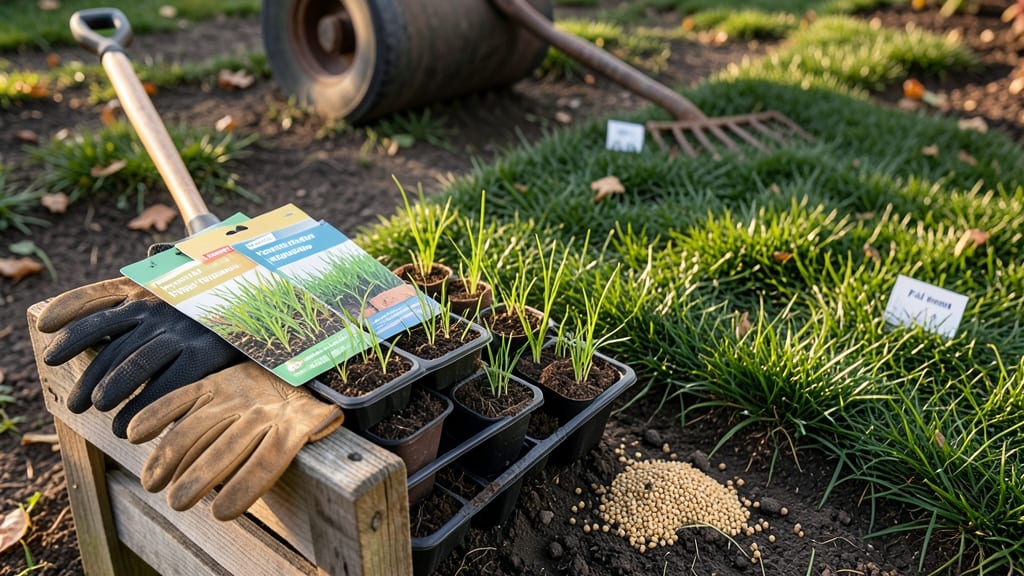
Planting grass in the fall can be the game-changer for a lush lawn—but get the timing wrong, and you’ll end up with patchy results or wasted seeds.
The key isn’t just picking a random weekend; it’s all about soil temperatures and regional deadlines that create the perfect conditions for root growth before winter sets in.
Most gardeners in USDA Zone 6a (like me!) think fall planting is a gamble, but the truth is, it’s one of the best times to establish 🌱 Grass (Lawn Grass).
When soil temps hover between 50-65°F, seeds germinate faster and roots strengthen, giving your lawn a head start for spring. That means no more waiting until next summer to see results—just a stronger, greener yard by next year.
If you’ve ever planted grass too late in fall and watched it struggle through winter, you know how frustrating it can be. The solution? Knowing your local frost dates and adjusting your schedule accordingly.
I’ll show you exactly how to read your soil’s temperature cues and pick the best planting window for your area—so you can avoid the common mistakes that leave lawns looking sad and sparse.
Ready to transform your yard? Let’s break down the science behind fall planting, from soil prep to seed selection, so you can finally get the lawn of your dreams—without the guesswork. Trust me, your future self will thank you when you step onto that thick, vibrant grass next summer.
Fall grass planting deadlines by soil temperature (Zone-by-Zone guide)
Timing is everything when it comes to planting grass in the fall. The ideal soil temperature for grass seed germination is between 50-65°F, which creates perfect conditions for root development before winter dormancy.
If you plant too early, weeds will outcompete your grass. Too late, and the cold will stunt growth. The key is knowing your local frost dates and adjusting your schedule accordingly.
Most gardeners in the Northern U.S. (USDA Zones 3-6) should aim to plant 4-6 weeks before the first frost. For example, in Zone 6a (like my home region), that means planting between late August and mid-September.
In colder zones like Zone 3, you might need to start as early as July to avoid early frosts. Meanwhile, Southern gardeners in Zones 7-10 have more flexibility, with planting windows extending into October or even November.
Here’s the critical rule: Stop planting when soil temperatures drop below 50°F. At that point, seeds won’t germinate properly, and your lawn will struggle to establish. Use this zone-by-zone guide to pinpoint your exact planting window based on your region’s typical frost dates and soil conditions.
| Region | USDA Zone | Best Planting Window | Soil Temp Range | Deadline Before Frost |
|---|---|---|---|---|
| Northern U.S. | 3-5 | Late July - Early September | 50-65°F | 4-6 weeks before first frost |
| Mid-Atlantic/Northeast | 6-7 | Late August - Mid-September | 55-65°F | 6 weeks before frost |
| Southern U.S. | 7-10 | September - Early November | 60-70°F | 8-10 weeks before frost |
| Pacific Northwest | 6-8 | Mid-August - Late September | 50-60°F | 5-6 weeks before frost |
| Southwest/Desert | 8-10 | Late September - October | 65-75°F | 6-8 weeks before frost |
If you’re unsure about your local frost dates, check the USDA Plant Hardiness Zone Map or use a local weather app to track soil temperatures. A simple soil thermometer (available for under $10) can give you real-time data to make the best decision.
Pro tip: Plant when daytime highs are still warm, but nighttime lows are cooling—this balance helps seeds germinate without overheating.
One common misconception is that you can plant grass anytime in fall. But if you wait until October or November in colder climates, the seeds may not have enough time to establish roots before winter.
In warmer zones, you might even see two planting windows: one in early fall and another in late winter. Always prioritize soil temperature over calendar dates—that’s the secret to success.
For example, in Zone 6a, where I live, the ideal window is late August to mid-September. If I plant in early September, the grass has enough time to root before the ground freezes.
But if I wait until October, the cold soil will slow germination, and I’ll end up with a weak, patchy lawn. The same rule applies across most of the Northern U.S.—plan ahead and watch those soil temps!
Don’t forget that cool-season grasses (like Kentucky bluegrass, fescue, and ryegrass) thrive in fall planting, while warm-season grasses (like Bermuda or Zoysia) should be planted in spring.
Mixing up your grass types can lead to frustration if you’re not intentional about timing. Stick to cool-season varieties for fall and you’ll see the best results.
Finally, remember that preparation is key. Even if you plant at
Fall grass planting deadlines by soil temperature (Zone-by-Zone guide)
If you’ve ever planted grass in fall only to see it struggle through winter, you’re not alone. The secret to success lies in soil temperature—not just the air temperature.
Grass seeds need 50-65°F soil to germinate properly, and planting too early or late can leave your lawn weak and patchy. The best time to plant is 4-6 weeks before your first frost date, but that window shifts dramatically depending on where you live.
For example, in USDA Zone 6a (like much of the Midwest and Northeast), the ideal planting window is typically mid-September to early October. But in warmer climates like Zone 8b or 9a (Southern California or Florida), you might plant as late as November.
Missing this window means seeds either rot in cold soil or struggle to establish roots before winter dormancy.
The key is understanding your local frost dates and adjusting for soil warming. Even if air temps feel crisp, the ground might still hold enough heat for germination. I’ll show you how to check soil temps and pinpoint your exact planting deadline—no more guessing!
🌱 Fall Grass Planting Deadlines by USDA Zone
| USDA Zone | Ideal Planting Window | Soil Temp Range (°F) | Last Chance Deadline | Example States |
|---|---|---|---|---|
| Zone 3-4 | Late August - Mid-September | 50-60°F | Early October | Minnesota, Wisconsin, Upstate NY |
| Zone 5-6 | Mid-September - Early October | 55-65°F | Mid-October | Iowa, Illinois, Pennsylvania |
| Zone 7-8 | Late September - Late October | 60-70°F | Early November | Virginia, North Carolina, Texas |
| Zone 9-10 | October - November | 65-75°F | Mid-November | Florida, California, Arizona |
🌡️ Pro Tip: Use a soil thermometer to confirm temps before planting—don’t rely on air temps alone!
Northern climates have the tightest deadlines because frost arrives earlier. In Zone 3-4, you’ve got just a 6-week window from late August to early October to plant before the ground freezes. But in Zone 9-10, you can plant as late as November because the soil stays warm longer.
The Southern Hemisphere flips this schedule—planting happens in March-April for Australia or September-October for Argentina.
One common mistake I see is planting too early when soil is still warm. If you plant in July or August in hot climates, the seeds may germinate but then brown out from heat stress before roots establish.
Always wait until soil temps drop to that 50-65°F sweet spot. And if you’re in a transitional zone (like Zone 7b), split your seeding—plant half in September and half in October for double coverage.
Ready to take action? Grab a soil thermometer (they’re cheap!) and check your yard’s temperature this week. If it’s still above 65°F, wait a few weeks—your grass will thank you next spring with a thick, green carpet instead of a patchwork quilt. Trust the science, not the calendar! 🌱