
Plants
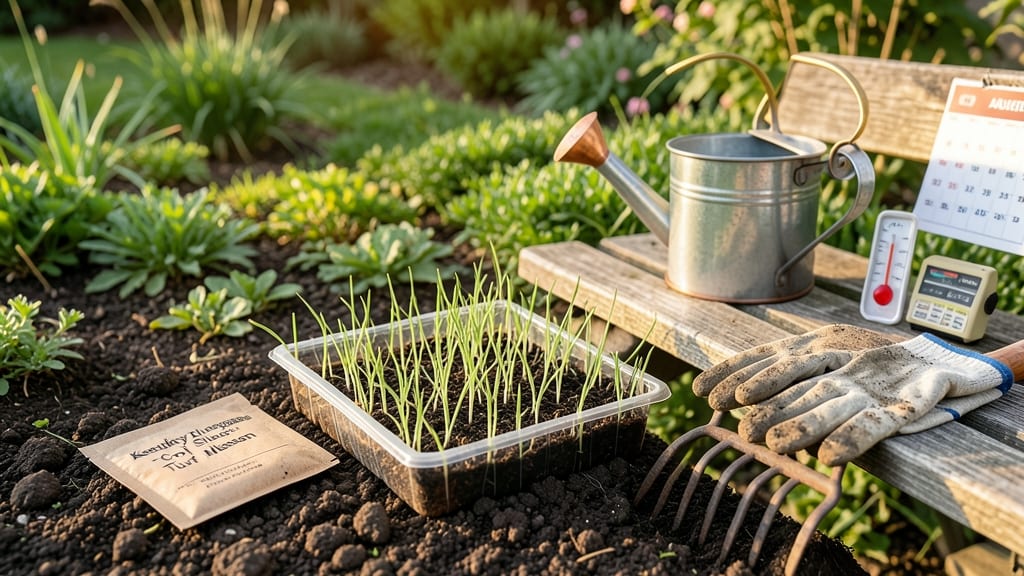
Planting grass in Massachusetts after it is too late to plant grass in the state can feel like a gamble—especially when you’re staring at bare patches and wondering if that new lawn will ever take hold.
The truth? Timing is everything, and late plantings can leave your 🌱 turfgrass struggling through winter or failing entirely.
Most gardeners in zones 5b-6b know spring is the prime window for seeding, but what happens when you miss it? The answer depends on where you live—coastal areas like Cape Cod have slightly longer growing seasons, while inland spots near Worcester or the Berkshires face earlier frosts.
By late October, the soil’s too cold for roots to establish, and seeds often rot before they sprout.
Don’t panic if you’re still itching to plant—there’s a narrow window for late-season success, but it requires the right grass type, prep work, and a little luck with the weather.
I’ll break down the exact deadlines by region, plus the critical steps to give your grass a fighting chance before winter sets in.
Whether you’re overseeding an existing lawn or starting fresh, knowing these cutoffs could save you from a wasted investment and a spring full of patchy, uneven growth. Let’s get into the details so you can make the most of what’s left of your planting season.
Massachusetts grass planting deadlines by region (2024 guide)
Timing is everything when planting grass in Massachusetts. Cool-season grasses like Kentucky Bluegrass and Tall Fescue thrive when planted in early fall or early spring, but late plantings risk frost damage or poor root establishment.
Southern MA (Zone 6b-7a) has a later window than Northern MA (Zone 5b-6a), so knowing your exact deadline prevents wasted seed and money.
Your grass seed needs 6-8 weeks to establish strong roots before winter. If planted too late, young roots can’t survive freezing temperatures or winter desiccation. Soil temperatures below 50°F slow germination, while temperatures above 85°F stress seeds. Aim for 50-60°F soil temps for optimal germination.
Here’s your region-specific deadline for planting grass in Massachusetts, including late-summer risks and soil temperature thresholds:
For Southern Massachusetts (e.g., Cape Cod, Nantucket), you can push the deadline slightly later due to coastal microclimates that delay frost. However, avoid planting after October 15—even if soil temps are ideal, unpredictable early frosts can kill young seedlings. Use a frost blanket if you’re cutting it close.
If you miss the fall window, early spring (March-April) is your next best option. Plant 4-6 weeks before your last frost date (typically April 15 in most of MA). Late spring plantings (May+) risk summer drought stress and weed competition, so prioritize proper soil prep and consistent watering.
Soil temperature is your best indicator of planting readiness. Use a soil thermometer to confirm temps are 50-60°F at 4-inch depth. If temps drop below 50°F, germination slows dramatically. For Northern MA, this often means September is your last month—don’t wait until October.
Late plantings also face increased weed pressure. Weeds like crabgrass and dandelions germinate quickly in warm soil. Apply a pre-emergent herbicide 2 weeks before seeding to suppress weeds, but avoid post-emergent options that can harm young grass.
If you’re overseeding an existing lawn, follow the same deadlines. Cool-season grasses need time to establish before winter, so don’t wait until November. Instead, focus on early fall (September-October) for best results. Use a slit seeder to ensure seed-to-soil contact and improve germination rates.
Pro tip: Test your soil before planting. Massachusetts soils vary—sandy coastal areas dry out faster, while clay-heavy inland zones retain too much moisture. Adjust your watering schedule and fertilizer type based on your soil test results to avoid common pitfalls like fungal diseases or nutrient burnout.
5 Signs your late grass planting will fail (and how to fix it)
Planting grass late in Massachusetts can still work—but only if you spot the warning signs early. Missed soil prep or frost timing are common pitfalls that turn your new lawn into a failed experiment. Here’s how to recognize trouble before it’s too late and how to salvage your seed investment.
First, check if your seeds have poor soil contact. Uneven seed distribution or compacted soil means some areas will sprout while others remain bare. Use a rake or aerator to break up clumps and ensure seeds touch the soil directly.
A quick test: sprinkle a handful of seeds—if they bounce off hard ground, you’re not ready to plant.
Frost damage is another silent killer. If you plant too close to the first frost (typically mid-October in MA), tender grass seedlings can’t survive overnight temps below 32°F. Even if your seeds sprout, they’ll die back suddenly. Use a frost blanket or row cover to protect seedlings for the first few weeks after planting.
Weed competition is the third red flag. Crabgrass and clover thrive in disturbed soil, stealing nutrients and sunlight from your grass. If weeds pop up faster than your grass, pull them by hand or apply a pre-emergent herbicide designed for new lawns.
Timing is key—apply it 2 weeks after seeding to avoid harming your grass.
Uneven germination is another clue your late planting is struggling. If some patches sprout in 2-3 weeks while others take 4+ weeks, your soil may be too cold or dry.
Water deeply twice daily (morning and evening) to keep the top 1-2 inches of soil moist. A soil thermometer can help—ideal temps for cool-season grasses are 50-60°F.
Finally, watch for fungal diseases like brown patch or dollar spot. Late plantings in humid conditions create the perfect storm for fungus. Improve airflow by mowing high (3-4 inches) and watering early in the day. If you see circular dead patches, treat with a copper-based fungicide immediately.
If you catch these signs early, you can still save your lawn. Overseed thin areas in early spring, apply a light fertilizer (like 10-0-10), and protect seedlings with straw mulch during cold snaps. Patience is key—late plantings grow slower but can still thrive with the right care.
🚨 Late Planting Fixes at a Glance
- Poor soil contact? Rake and aerate before reseeding.
- Frost risk? Cover seedlings with frost blankets.
- Weeds taking over? Hand-pull or use pre-emergent herbicide (2 weeks post-seeding).
- Slow germination? Water twice daily and check soil temp (50-60°F ideal).
- Fungal spots? Mow high and apply copper fungicide.