
Plants
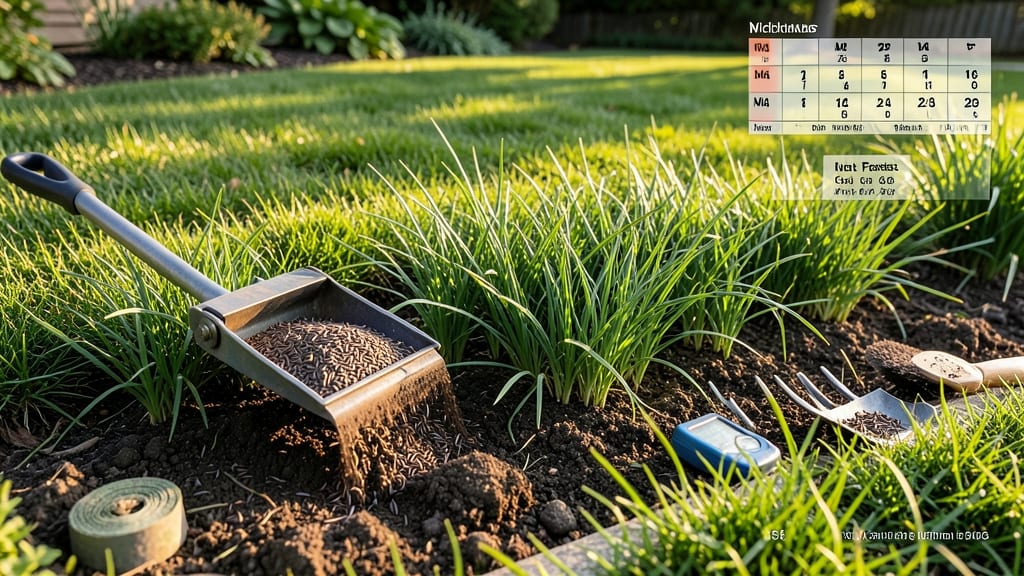
Planting your 🌱 grass (lawn) in Michigan at the wrong time can mean wasted money and months of patchy, weak growth—especially when late frosts or summer heat throw off your timeline.
The best time isn’t just about seasons; it’s about understanding your specific zone’s frost dates, soil temperature, and even whether you’re in the Upper Peninsula or southern Michigan.
Most gardeners in 5b-6a zones know early spring and early fall are the golden windows, but the exact dates shift depending on whether you’re planting cool-season grasses like Kentucky bluegrass or warm-season types like Bermuda.
Skip the guesswork and learn the precise deadlines for your area—because planting too early risks frost damage, while waiting too long invites weeds to steal your lawn’s spotlight.
I’ll break down the critical windows for Michigan, including soil temperature thresholds and regional microclimates that can shift your timeline by weeks.
Whether you’re prepping for a lush spring lawn or a resilient fall seedbed, these insights will help you avoid the most common mistakes—like planting too deep in clay-heavy soils or ignoring pre-emergent herbicide timing.
Ready to transform your yard into a thick, vibrant lawn? Let’s dive into the exact steps, from soil prep to post-planting care, tailored to Michigan’s unpredictable weather. Your perfect grass starts with the right timing—and trust me, it makes all the difference.
Michigan grass planting deadlines by Zone: spring vs fall timeline
Timing your grass planting in Michigan isn’t just about seasons—it’s about soil temperatures, frost-free dates, and your specific USDA zone. The Upper Peninsula and Lower Peninsula have wildly different windows, with risks like late-spring frosts in Traverse City or Detroit’s summer heat spikes.
Cool-season grasses like Kentucky bluegrass thrive when planted in early fall, while warm-season types need late spring warmth.
For most of Michigan, the optimal planting window is 4-6 weeks before the first frost or 4-6 weeks after the last frost. This means late August to early October for fall planting and mid-April to early May for spring.
But these dates shift dramatically depending on whether you’re in Zone 5b (northern UP) or Zone 6a (southern MI).
Soil temperature is your secret weapon. Grass seeds need consistent soil temps above 50°F to germinate. In Detroit (Zone 6a), this happens by mid-April, while in Marquette (Zone 5b), you might wait until late May. Use a soil thermometer to confirm—don’t guess!
The Upper Peninsula faces harsher conditions, with first frosts arriving by mid-October in places like Houghton. This shortens your fall window to late August to early September.
Meanwhile, southern Michigan can push fall planting into early October, but watch for Detroit’s heat spikes in late summer, which can stress young seedlings.
Key takeaway: Cool-season grasses (like tall fescue) establish best in fall, while warm-season types (like Bermuda grass) need spring. But Michigan’s cool summers limit warm-season options—most homeowners stick with cool-season blends. Always check your local frost dates (like Traverse City’s late May frosts) to avoid costly mistakes.
| Zone & Location | Spring Planting Window | Fall Planting Window | Soil Temp Threshold | Key Risks |
|---|---|---|---|---|
| Zone 5b (Upper Peninsula) | Late May – Early June | Late August – Early Sept | 50°F+ (late May) | Late frosts, short season |
| Zone 6a (Northern Lower MI) | Mid-April – Late May | Early Sept – Mid-Oct | 50°F+ (mid-April) | Weed competition |
| Zone 6a (Southern Lower MI) | Early April – Early May | Late Aug – Late Oct | 50°F+ (early April) | Summer heat stress |
| Traverse City (Zone 6a) | Late April – Early June | Early Sept – Early Oct | 50°F+ (late April) | Late-spring frosts |
| Detroit (Zone 6a) | Mid-April – Late May | Late Aug – Mid-Oct | 50°F+ (mid-April) | Heat spikes in Sept |
If you’re in Zone 5b (Upper Peninsula), prioritize fall planting—spring is too risky with late frosts. In southern Michigan (Zone 6a), you’ve got more flexibility, but Detroit’s heat can dry out seeds if planted too early.
Always aim for 60°F soil temps for best germination rates, and avoid planting when daytime highs exceed 85°F.
Pro tip: Use a seed starter fertilizer if planting in late spring to give seedlings a boost. For fall planting, focus on weed control first—clear crabgrass and clover before seeding.
In Traverse City, I’ve seen lawns fail when planted in early May due to surprise frosts—always check the 10-day forecast before seeding.
Remember, soil prep is half the battle. Test your soil’s <
5 Critical factors that determine your perfect planting window
Michigan’s climate throws curveballs, so planting dates aren’t the only factor. Your soil temperature, grass seed type, and even local rainfall patterns can shift your ideal window by weeks.
For example, cool-season grasses like Kentucky bluegrass thrive when soil hits 50°F+, while warm-season types like Bermuda grass need 65°F+. Let’s break down what truly matters beyond the calendar.
Soil temperature is your first clue—cool-season grasses need 50°F+ soil, while warm-season types wait for 65°F+. Use a soil thermometer ($10 at garden centers) to check before planting. In northern Michigan, this often means waiting until late May for warm-season grasses, while southern Michigan can start as early as April.
🌱
Weed competition is often the silent killer of new grass. In southern Michigan, crabgrass and chickweed explode in late spring, so planting 4-6 weeks before their peak (usually late August for fall) gives your grass a head start. Skip this, and you’ll spend summer pulling weeds instead of admiring your lawn.
Microclimates matter more than you’d think. A south-facing yard in Grand Rapids might be 10°F warmer than a shaded spot, letting you plant 2 weeks earlier. Use this to your advantage—test your soil in multiple spots before committing to a planting date.
🌿