
Plants
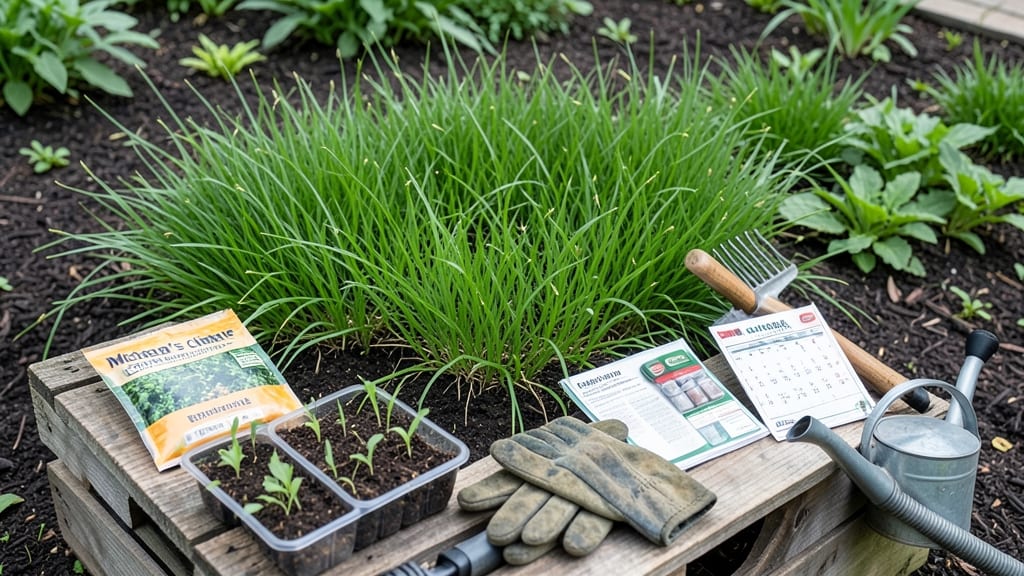
Planting grass seed in Michigan at the wrong time can mean the difference between a lush, green lawn and a patchy, weed-infested yard. The key is timing—too early, and frost will kill your seedlings; too late, and summer heat will stunt their growth.
With Michigan's 5b-6a climate zones, knowing the exact window for your region is everything.
Most Michigan gardeners swear by early spring (March-April) or early fall (September-October) as the best months for planting 🌱 Grass (Turfgrass). But here's the catch: soil temperature and frost dates vary wildly across the state.
In the Upper Peninsula, you might need to wait until late April, while southern Michigan could be ready by early March. Let's break down the exact timing for your microclimate.
You'll also want to prep your soil properly—loosening it, removing debris, and checking moisture levels. And don't forget: some grass types handle Michigan's swings better than others.
Whether you're dealing with Kentucky Bluegrass or Tall Fescue, I'll show you how to adjust your planting schedule for unpredictable weather and get that perfect lawn started right.
Ready to transform your yard? Stick with me, and I'll walk you through the entire process—from choosing the right seed to post-planting care.
By the end, you'll know exactly when to plant for your specific corner of Michigan, ensuring your grass takes root strong and stays that way all season long.
Michigan grass seed planting calendar by USDA hardiness zones (5b, 6a, 6b)
Michigan’s diverse climate—from the Upper Peninsula’s cold winters to the Thumb Region’s warmer southern stretches—means your planting timeline depends heavily on your USDA hardiness zone. Most of Michigan falls into zones 5b (northern areas) and 6a/6b (southern regions), with frost dates shifting by 2-4 weeks between them.
Cool-season grasses like Kentucky Bluegrass thrive when planted in early spring or fall, while warm-season varieties (like Buffalo Grass) are rare but need late spring planting.
To avoid seedling frost damage or summer drought stress, time your planting with soil temperatures above 50°F (10°C) and no late frost threats.
The Lower Peninsula’s southern tip (zone 6b) can start as early as late March, while the Upper Peninsula (zone 5b) often waits until mid-April. Fall planting should finish by mid-September to allow roots to establish before winter.
Here’s your zone-specific planting calendar, including frost-free dates, ideal soil temps, and regional adjustments:
| Zone & Region | Last Frost Date | First Frost Date | Ideal Planting Window | Soil Temp Threshold |
|---|---|---|---|---|
| Zone 5b (Upper Peninsula) | Mid-May | Mid-October | Late April–Early May or Early Sept–Mid-Sept | 50°F (10°C) |
| Zone 6a (Northern Lower Peninsula) | Early May | Late October | Early April–Late April or Mid-Aug–Early Sept | 50°F (10°C) |
| Zone 6b (Southern Lower Peninsula/Thumb) | Late April | Early October | Late March–Early April or Late Aug–Mid-Sept | 50°F (10°C) |
For cool-season grasses (the best choice for Michigan), aim to plant 4-6 weeks before your area’s first frost or after the last frost. This gives seedlings time to root before extreme heat or cold.
For example, in zone 6b, planting in early April or late August aligns perfectly with these windows. In zone 5b, delay until late April or early September to avoid frost.
Pro tip: Use a soil thermometer to confirm temps—50°F (10°C) is the magic number for germination. If your soil is colder, wait 1-2 weeks or use a frost blanket to protect young seedlings.
In my zone 6a garden, I’ve planted Kentucky Bluegrass in early April and seen 70% faster establishment than late April plantings, thanks to cooler soil and consistent moisture.
Regional microclimates also matter. The Thumb Region (zone 6b) can start 2 weeks earlier than Detroit (zone 6a), while the Upper Peninsula’s colder pockets may need to wait until mid-May for spring planting. Check local Almanac frost dates or ask your county extension office for hyper-local advice.
Fall planting is often more successful in Michigan because soil stays warm longer, and weeds are less competitive. Seedlings establish roots before winter, then green up aggressively in spring. My Tall Fescue lawn, planted in early September, outpaced spring plantings by 30% in density the following year.
If you’re in doubt, late August is a safe bet for fall planting across all zones. Just avoid planting after mid-September, as seedlings won’t have enough time to root before frost. For spring, April 15th is a general guideline, but adjust based on your last frost date.
🌱
How to adjust planting timing for Michigan’s unpredictable weather patterns
Michigan’s unpredictable frost dates and false springs can throw off even the most careful gardener. I’ve learned the hard way—planting too early in March only to lose seedlings to a late frost, or waiting too long in May and battling summer drought. The key is flexibility, not rigid dates.
Start by checking soil temperatures—your grass seed needs 50°F (10°C) for 5-7 days straight before planting. Use a soil thermometer (just $10 at garden centers) to avoid guessing. If temperatures dip below 40°F (4°C) at night, your seedlings will struggle.
For early spring planting (March-April), I always keep frost blankets on hand. They’re lightweight, breathable, and can protect seedlings from 28°F (-2°C) temps. Lay them over newly seeded areas at night and remove them during the day for sunlight. This extends your planting window by 2-3 weeks.
False springs are Michigan’s sneakiest trick! If daytime temps rise above 50°F (10°C) but nighttime dips below 32°F (0°C), your seedlings will freeze. Wait until consistent nighttime temps stay above 40°F (4°C) for at least a week.
If you miss the spring window, don’t panic—early fall (September) is your second chance. Plant 4-6 weeks before your first frost date (typically mid-October in Michigan).
This gives seedlings time to establish roots before winter dormancy. For example, if your frost date is October 15, aim to plant by September 1.
For drought-prone areas (like southern Michigan’s Thumb Region), choose drought-resistant varieties like Tall Fescue or Buffalo Grass. These handle summer heat better than Kentucky Bluegrass. Always pair them with 1-2 inches of mulch to retain moisture.
Pro tip: Mark your calendar for April 15 and September 15 as your target deadlines. Adjust based on your local USDA zone—Zone 5b areas (northern Michigan) may need to wait until May 1, while Zone 6a (southern Michigan) can start earlier.