
Plants
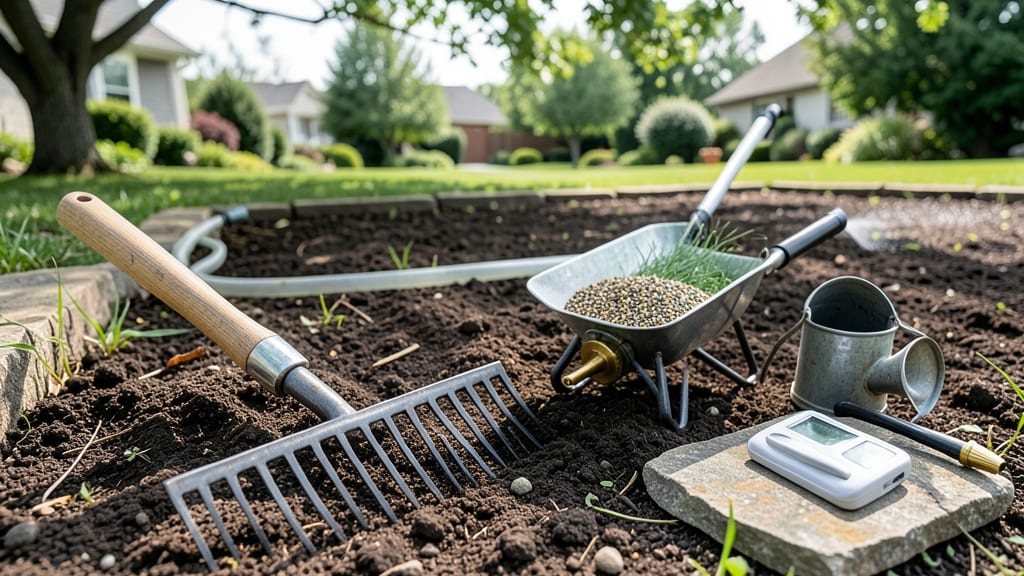
Planting your 🌱 Grass Seed at the wrong time in New Jersey can mean the difference between a lush, green lawn and a patchy, weed-infested disappointment.
Whether you're along the Jersey Shore or inland, getting the timing right is the key to success—especially when coastal breezes and inland heat play such different roles in your lawn's growth.
Most gardeners assume spring is the only window, but fall often delivers better results for New Jersey's 6a-7b climate. The secret lies in understanding when soil temperatures are just right—too early, and frost will kill your efforts; too late, and weeds will steal the show.
I'll break down exactly when to plant for your specific microclimate, so you can avoid these common mistakes.
You'll discover why early spring (March-April) works for some areas while fall (September-October) is ideal for others. We'll also cover how to prep your soil, water properly, and keep your new grass thriving once it's planted. Let's get your lawn off to the best possible start.
The best part? These strategies work whether you're dealing with sandy coastal soil or richer inland dirt. By the end, you'll know exactly when to plant for maximum germination and minimal headaches. Ready to transform your yard?
Optimal grass seed planting times in New Jersey by region: coastal vs inland
New Jersey’s two distinct climates—coastal and inland—create very different growing conditions for grass seed. The Jersey Shore enjoys cooler temperatures and higher humidity, while inland areas bake under more intense summer heat and lower moisture.
These differences mean your planting timeline should shift based on where you live to avoid frost damage or weed competition. Let’s break down the best windows for each region.
For coastal areas, like Cape May or Asbury Park, the optimal planting window is slightly later in spring and earlier in fall due to milder temperatures. Inland zones, such as Trenton or Newark, can plant earlier in spring but must finish by late summer to avoid drought stress.
Both regions share one rule: soil temperature must stay above 55°F (13°C) for at least a week before planting.
| Factor | Coastal (Jersey Shore) | Inland (Trenton/Newark) |
|---|---|---|
| Spring Planting Window | Late April to early May (after last frost) | Mid-March to early April (soil warms faster) |
| Fall Planting Window | Mid-September to early October (before frost) | Early September to mid-October (longer growing season) |
| Soil Temp Threshold | 55°F (13°C) minimum | 55°F (13°C) minimum |
| Frost Risk | Low (coastal breezes delay frost) | Higher (frost can hit by late October) |
| Rainfall Consideration | Humidity helps germination | Drought risk in summer; water deeply |
| Best Grass Types | Fine fescue, creeping red fescue | Kentucky bluegrass, tall fescue |
In coastal NJ, the last frost date averages around April 15, but coastal areas like Atlantic City often see frost-free conditions by April 1. This means you can start planting fine fescue or creeping red fescue as early as late March if soil temps cooperate.
For fall, aim to finish by October 15 to give seedlings time to root before winter.
Inland areas like Morris or Sussex counties warm up faster in spring, so you can plant Kentucky bluegrass or tall fescue as early as mid-March. However, summer drought is a bigger threat here, so fall planting (by September 30) is often more reliable.
Use a soil thermometer to confirm temps stay above 55°F (13°C) for consistent germination.
Both regions benefit from early fall planting because cooler temps reduce weed competition and drought stress. Coastal areas have a slight edge here—September 15 to October 1 is ideal—while inland zones should wrap up by October 15.
The key is to plant 6-8 weeks before first frost, which typically hits November 1 in most of NJ.
One critical difference is humidity levels. Coastal grass thrives with natural moisture, while inland lawns need supplemental watering (especially in June-August). If you’re in a dry inland zone, consider tall fescue blends, which tolerate drought better than Kentucky bluegrass.
For coastal homes, fine fescue mixes handle salt spray and sandy soil better.
To test your soil’s readiness, insert a soil thermometer 2 inches deep. If it reads 55°F (13°C) for 5 consecutive days, your grass seed will germinate reliably. Coastal areas often hit this mark by late April, while inland zones may reach it by mid-March.
Always check local frost forecasts—coastal regions can have 2-3 weeks later frost dates than inland spots.
Pro tip: Overseeding in fall is easier in coastal NJ due to milder winters. Inland gardeners should focus on spring planting and use mulch to retain moisture during summer. Both strategies help establish a thicker, weed-resistant lawn faster.
Don’t forget to water lightly twice daily for the first 2 weeks after planting to keep seeds moist but not waterlogged.
If you’re unsure which region you’re in, check your USDA
5 Critical factors that determine your perfect planting window
New Jersey’s climate isn’t one-size-fits-all—coastal areas near the Jersey Shore stay cooler and wetter, while inland zones like central NJ can hit 90°F+ in summer. These microclimates shift your ideal planting window. Let’s break down the 5 key factors that dictate when to drop those grass seeds for maximum success. Soil temperature is your first clue: seeds need 55–65°F soil to germinate. Use a soil thermometer—coastal zones hit this mark by late March, while inland areas may wait until mid-April. Fall planting? Aim for soil temps below 75°F—typically September 15–October 15 statewide.Rainfall patterns play a huge role too. Coastal NJ gets 45+ inches annually, while inland areas see 35–40 inches. Too much rain? Seeds wash away.
Too little? They dry out. Spring planting works best when 1–1.5 inches of rain per week is forecasted. Fall? Prioritize consistent moisture without soggy soil.
Humidity levels vary wildly—70%+ near the coast vs 50–60% inland. High humidity speeds up germination but also increases fungal risks like dollar spot. Inland areas dry out faster, so watering discipline is critical. My trick? Set a morning watering schedule to let dew dry before evening.
Microclimates matter more than you think. Urban heat islands in Newark or Jersey City can be 5–10°F warmer than rural areas, delaying spring planting by 1–2 weeks. Check your local USDA Zone 6a–7b map—coastal zones lean toward 6b–7a, while inland zones hit 7a–7b. Adjust your timeline accordingly!
Finally, grass seed type changes everything. Cool-season grasses (like tall fescue or Kentucky bluegrass) thrive in spring/fall planting, while warm-season grasses (like Bermuda grass) need late spring timing. Most NJ lawns use cool-season blends, so spring (March–April) or fall (September–October) are your safest bets.
- 🌡️ Soil Temperature: 55–65°F for germination (coastal: late March, inland: mid-April)
- 🌧️ Rainfall Patterns: 1–1.5 inches/week (spring) or consistent moisture (fall)
- 💧 Humidity Levels: Coastal (70%+) vs inland (50–60%)—adjust watering
- 📍 Microclimates: Urban areas (5–10°F warmer) delay planting by 1–2 weeks
- 🌾 Grass Type: Cool-season (spring/fall) vs warm-season (late spring) blends
Pro tip: Test your soil 2 weeks before planting. Use a soil thermometer and check moisture levels—this fine-tunes your window. For example, if your soil hits 60°F by March 20, you’re golden for coastal planting. Inland? Wait until April 5–10 to avoid heat stress.
Remember, fall planting often yields better results because cooler temps reduce weeds and stress. But if you’re planting in spring, don’t wait past April 30—weeds will outcompete your grass seeds by summer. Mark your calendar now!