
Trees
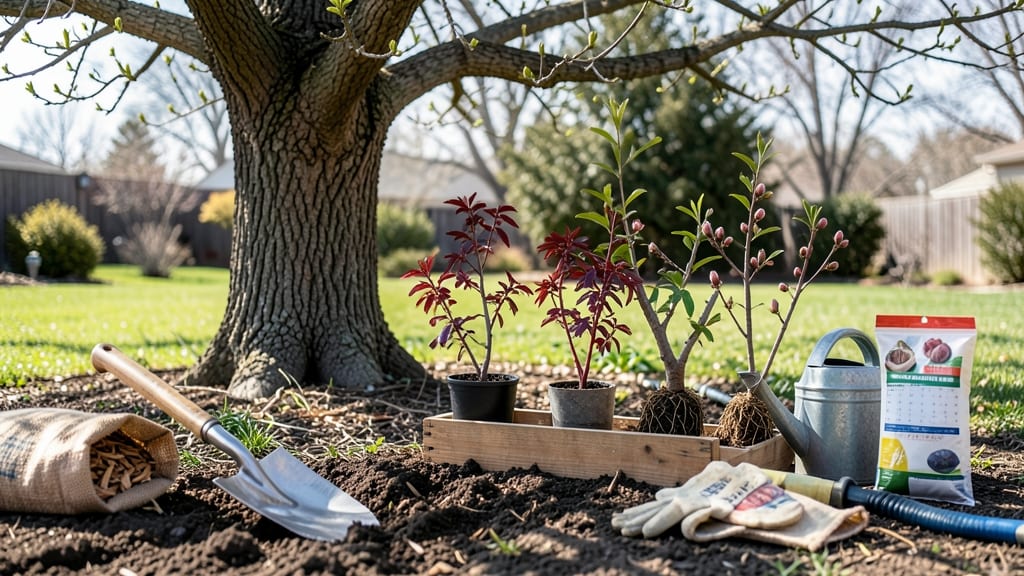
Planting fruit trees 🍎🍑🍊 in North Texas at the wrong time can mean the difference between a thriving orchard and a sad, struggling sapling—especially when late frosts or scorching summer heat throw off your timing.
If you've ever wondered why some fruit trees take off while others wilt, the answer lies in matching chill-hour requirements with the perfect planting window—typically late winter to early spring, when the soil is workable but the worst heat hasn't arrived yet.
In this guide, I’ll break down the ideal months for planting based on your specific fruit tree varieties, from peaches that need 300-500 chill hours to citrus that barely tolerates a frost.
You’ll also learn how to prep your soil, avoid common mistakes, and give your trees the best shot at deep, strong roots before North Texas’ unpredictable weather hits.
Whether you're a first-time gardener or a seasoned grower, these tips will help you plant with confidence—and set yourself up for years of homegrown harvests that actually thrive in our climate.
North Texas fruit tree planting calendar by chill-hour zones
North Texas spans USDA Zones 7b-8b, where chill hours (temperatures between 32°F and 45°F) determine which fruit trees thrive.
Low-chill varieties like peaches (300-500 hours) struggle in Zone 8b’s mild winters, while high-chill apples (800+ hours) need the colder winters of Zone 7b. I’ve mapped the ideal planting windows to align with your local chill accumulation and avoid heat stress or winter dormancy risks.
Most North Texas gardeners plant between mid-February and early April, but timing depends on your tree’s chill needs. For example, figs (200-300 hours) can handle late spring planting, while plums (500-700 hours) need winter dormancy.
The key is to plant when soil temps reach 60°F+ and buds haven’t swollen—this gives roots 6-8 weeks to establish before summer heat arrives.
Here’s how I break it down by season and chill category for maximum success:
For bare-root trees, plant immediately after purchase—don’t let roots dry out. Container-grown trees offer flexibility but need larger holes (3x wider than root ball) to prevent root circling. I always backfill with native soil mixed with compost to avoid compaction, especially in Texas’ heavy clay.
Water deeply every 7–10 days until new growth appears, then taper to bi-weekly deep soaks.
North Texas’ variable weather means late frosts can still hit after March 15. Protect young trees with frost cloth if your area averages frosts past April 1. I’ve seen peach blossoms fried by a surprise freeze in early April—always check your local Cooperative Extension Service for frost dates.
Container trees are easier to move to sheltered spots if frost is forecasted.
Fall planting is risky for most fruit trees in North Texas due to summer heat stress, but low-chill varieties like figs or pomegranates can handle it. The exception? Citrus (e.g., Meyer lemons), which need container planting and winter protection.
I’ve successfully planted ‘Celeste’ figs in November by using black plastic mulch to warm the soil and watering every 5 days until roots establish.
Pro tip: Use a soil thermometer to confirm soil temps are above 60°F before planting. Cold soil slows root growth, and young trees can’t handle both heat stress and poor soil conditions.
In my Dallas County garden, I’ve had the most success with early March plantings for peaches and plums, giving them 60+ days to root before summer arrives.
Remember, chill hours ≠ frost tolerance. A tree might need 500 chill hours but still suffer damage from 28°F temps. Always choose varieties rated for your specific North Texas microclimate—for example, ‘Elberta’ peaches (500 hours) thrive in Zone 7b but may bloom poorly in Zone 8b.
🌱
Best fruit tree varieties for North Texas and their planting secrets
North Texas gardeners can thrive with the right fruit tree varieties that match the region’s 300-900 chill hours. The key is selecting trees that tolerate Texas clay soil and variable heat while meeting your taste preferences.
My top picks—'Redhaven' peaches, 'Ein Shemer' pomegranates, 'Laredo' apricots, 'Southern Gold' pecans, and 'Tropic Snow' white sapote—are proven winners for USDA Zones 8a-8b.
For optimal root establishment, plant bare-root trees in late winter (February) or early spring (March), before buds swell. Container-grown trees can go in year-round, but avoid extreme heat or cold snaps. The secret? Amending Texas clay soil with compost and sand to improve drainage while retaining moisture.
Planting depth is critical—set the root flare (where roots meet trunk) 1-2 inches above soil level. Spacing matters too: dwarf varieties need 8-10 feet of space, while standard trees require 20-30 feet to avoid competition. Mulch heavily with wood chips to conserve moisture and regulate soil temperature.
| Variety | Chill Hours | Planting Depth | Spacing | Soil Amendment |
|---|---|---|---|---|
| 'Redhaven' Peach | 300-500 | 1-2" above flare | 15-20 ft | Compost + sand |
| 'Ein Shemer' Pomegranate | 200-400 | 1-2" above flare | 12-15 ft | Well-draining mix |
| 'Laredo' Apricot | 300-500 | 1-2" above flare | 12-15 ft | Compost + lime |
| 'Southern Gold' Pecan | 400-600 | 2" above flare | 20-30 ft | Sand + compost |
| 'Tropic Snow' White Sapote | 100-200 | 1" above flare | 15-20 ft | Well-draining soil |
'Redhaven' peaches are a North Texas staple with juicy, freestone fruit, but they need well-draining soil to avoid root rot. Amend your clay-heavy soil with sand and compost to create the ideal texture. Plant in full sun and water deeply twice weekly during the first growing season to encourage strong root growth.
For low-chill varieties like 'Ein Shemer' pomegranates, focus on container planting if your yard lacks full sun. These trees thrive in partial shade and produce vibrant, antioxidant-rich fruit.
Use a large pot with drainage holes and well-draining potting mix to prevent waterlogged roots. Prune lightly in late winter to shape the tree and improve airflow.
After planting, protect young trees from late spring frosts with frost cloth or a row cover. Mulch around the base with 3-4 inches of wood chips to retain moisture and suppress weeds.
Avoid overwatering—deep, infrequent watering encourages deeper root systems. With the right variety and care, your North Texas fruit trees will reward you with years of harvests.