
Plants
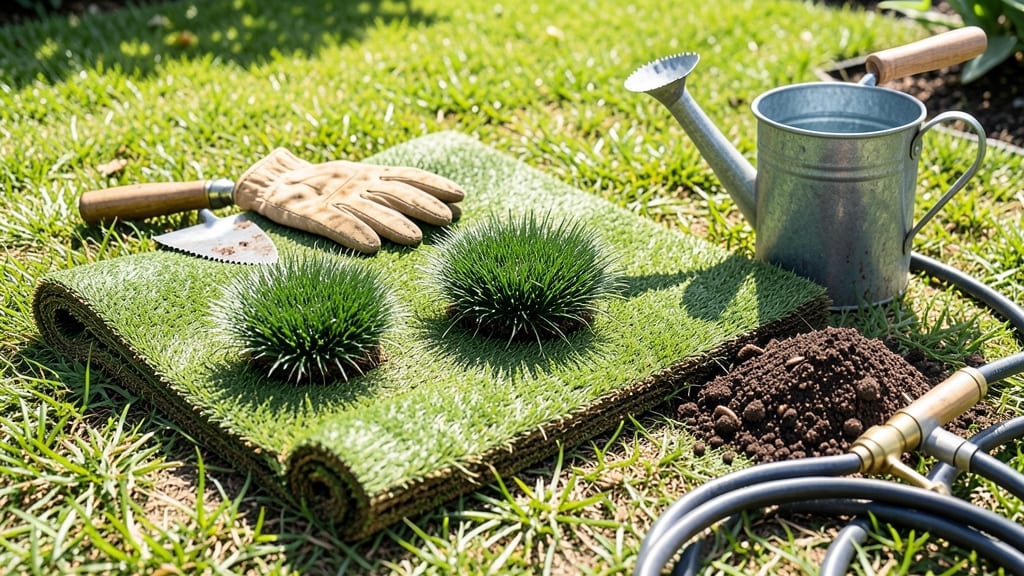
Planting summer grass in Arizona isn’t just about throwing seed on the ground and hoping for the best—it’s about timing it perfectly to outsmart the brutal heat and monsoon rains.
If you’ve ever watched your lawn struggle to take hold, you’re not alone, and the solution lies in understanding when to plant for fast germination and long-term success.
Most gardeners assume summer grass should go in during the cooler months, but Arizona’s climate demands a different approach. The ideal window—August through early September—aligns with the tail end of monsoon season, giving your grass the moisture it needs without drowning it in sudden downpours.
This isn’t just theory; it’s what separates a patchy lawn from a thick, vibrant one.
Why does this matter? Because summer grass varieties like Bermuda and Zoysia thrive when planted after the worst heat has passed but before the soil dries out completely.
By following the right schedule, you’ll avoid common mistakes that kill grass in Arizona’s extreme conditions. Let’s break down exactly how to do it right.
In this guide, I’ll walk you through the fastest way to establish your summer grass, from soil prep to post-planting care, so you can enjoy a lush lawn without the guesswork. Ready to transform your yard?
Best months to plant summer grass in Arizona for fast germination
Arizona’s summer grass varieties like Bermuda, Zoysia, and Buffalo grass thrive when planted during the monsoon transition, not before or after. The ideal window spans from late July to early September, aligning with soil temperatures above 85°F and the start of Arizona’s monsoon rains.
This timing ensures your grass gets the moisture it needs to germinate without smothering in too much water.
Planting too early (June) risks heat stress before roots establish, while waiting until October means shorter daylight hours slow growth. The 4-6 week window between July and September balances heat tolerance and rainfall availability, giving your grass the best shot at survival during Arizona’s brutal summers.
Here’s why this window works: Monsoon rains (typically July–September) provide natural irrigation, reducing your need to overwater. Meanwhile, soil temperatures stay consistently warm, accelerating germination. For example, Bermuda grass seeds germinate in just 7–14 days when soil temps hit 85°F+, compared to 3–4 weeks in cooler conditions.
Arizona’s micro-climates also play a role. In Phoenix and Tucson, where summers are drier and hotter, aim for late July to mid-August.
In Flagstaff’s cooler high desert, extend the window to early August through September to avoid early frost risks (though rare, they can occur in USDA Zone 7b).
Pro tip: Use a soil thermometer to confirm temps are consistently above 85°F before planting. If your soil is cooler, wait—germination slows dramatically below 80°F. This is especially critical for Zoysia grass, which germinates slower than Bermuda but thrives in higher elevations like Prescott.
🌱 Arizona Summer Grass Planting Timeline
| Month | Soil Temp (°F) | Rainfall (in) | Best Action |
|---|---|---|---|
| July | 85–95°F | 1.5–2.5" | Prep soil; plant Bermuda/Zoysia |
| August | 90–100°F | 2–3.5" | Germination peak; monitor water |
| September | 85–90°F | 1–2" | Establish roots; reduce watering |
| October | 75–85°F | 0.5–1" | Fertilize lightly; prep for winter |
If you’re planting Buffalo grass, which is more drought-tolerant, you can push the window slightly later—mid-August to early September. This variety handles lower humidity better than Bermuda, making it ideal for West Phoenix or Yuma, where monsoons are less reliable.
However, avoid planting after Labor Day; shorter days and cooler nights slow growth significantly.
For sod vs. seed, the timing shifts slightly. Sod can be laid as early as June (if irrigated daily), but seeds need the monsoon moisture for natural germination. Sod establishes faster (2–3 weeks vs. 4–6 weeks for seed), but it’s 3x more expensive upfront.
Weigh your budget and patience—seeds save money but require more upkeep during germination.
One common mistake? Planting too late and relying on fall rains. By October, daylight hours drop below 11, and soil temps fluctuate, stressing young grass. Instead, aim for August’s steady heat and monsoon predictability.
For example, Tucson’s August averages 2.5 inches of rain, while Phoenix gets 1.5 inches—adjust your watering plan accordingly.
Finally, track your local monsoon start using the National Weather Service or Arizona Meteorological Network. In 2023, monsoons began July 7 in Flagstaff but didn’t arrive in Yuma until July 22.
Planting 1–2 weeks after your area’s monsoon kickoff maximizes natural watering while avoiding flash flood risks from sudden downpours.
Best months to plant summer grass in Arizona for fast germination
Arizona’s summer grass varieties like Bermuda, Zoysia, and Buffalo grass thrive when planted during the monsoon transition period. The ideal window spans from mid-July through early September, aligning with rising soil temperatures and natural rainfall patterns.
Planting too early risks heat stress on young seedlings, while waiting too late may miss critical monsoon moisture needed for root establishment.
Soil temperatures must reach at least 85°F for optimal germination. In Phoenix and Tucson, this typically occurs by late July, while higher elevations like Flagstaff may need to wait until early August.
The monsoon season (July–September) provides the perfect balance of heat and humidity for rapid growth, reducing the need for supplemental irrigation.
Here’s the critical timeline for planting summer grass in Arizona:
| Month | Soil Temp (°F) | Rainfall (inches) | Planting Recommendation |
|---|---|---|---|
| Late July | 85–90°F | 2–3 inches | ✅ Best time for germination |
| August | 90–95°F | 3–4 inches | ✅ Peak monsoon moisture supports growth |
| Early September | 85–90°F | 2–3 inches | ⚠️ Last chance before heat declines |
| October | 75–80°F | 1–2 inches | ❌ Too late for strong root growth |
For Phoenix and Tucson, prioritize planting in late July to capitalize on early monsoon rains.
In Flagstaff or Prescott, wait until early August when soil temperatures stabilize. Bermuda grass germinates fastest in these conditions, while Zoysia and Buffalo grass benefit from slightly cooler early September plantings to avoid heat shock.
Pro tip: Use a soil thermometer to confirm temperatures before planting. Aim for consistent moisture without waterlogging—Arizona’s clay-heavy soils can trap excess water, leading to root rot. Mulch lightly with straw or compost to retain moisture and regulate soil temperature.
Once established, summer grass in Arizona requires minimal supplemental watering thanks to its drought tolerance. However, the first 4–6 weeks post-planting are critical—water deeply 2–3 times per week to encourage deep root growth before relying on natural rainfall.