
Plants
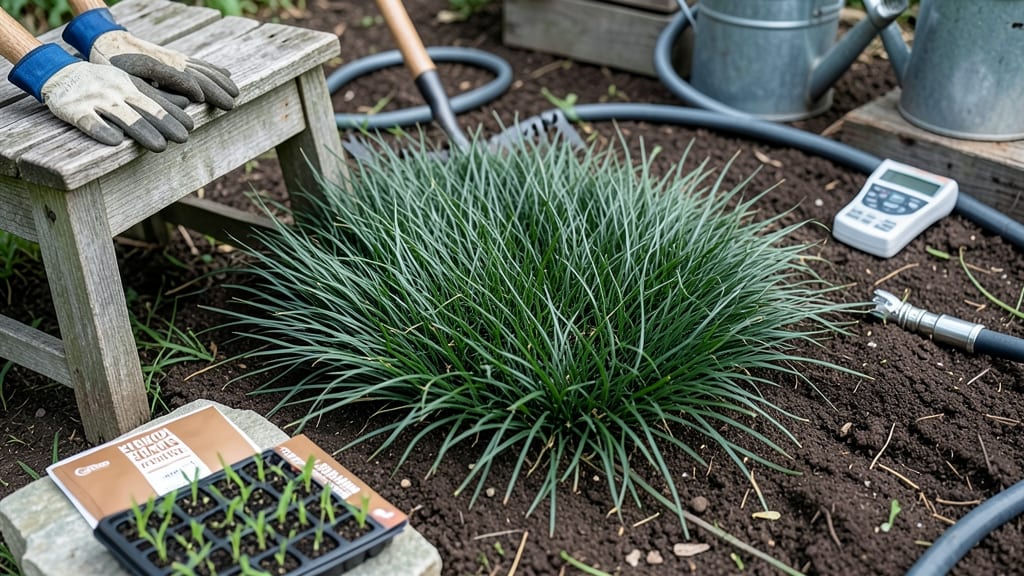
Planting Bermuda grass seed in Arkansas at the wrong time can mean wasted money and months of frustration—especially in Zone 7a-8a, where soil temperatures swing wildly between spring showers and summer heat.
The key to fast germination isn't just picking a season; it's timing it when the ground stays warm enough to kickstart growth without inviting fungal rot.
Most gardeners in Arkansas make one of two mistakes: planting too early in cool spring soil (which delays sprouting) or waiting too long into summer (when seedlings struggle to establish before winter).
The sweet spot? Late April through early June or August through early September, when soil temperatures consistently hit 65°F+—the magic threshold for Bermuda grass to wake up and grow.
Why does this matter? Because Arkansas' humidity and clay-heavy soils create a double challenge: seed that stays too wet rots, while seed planted in dry, overheated soil fails to germinate.
I’ll break down the exact conditions to watch for—like soil warmth, rainfall patterns, and even how northern vs. southern Arkansas shifts your ideal window—so you can avoid common pitfalls and get a fast, lush lawn instead of patchy disappointment.
Ready to skip the guesswork? Let’s dive into the science-backed schedule that’s worked for Arkansas homeowners—including how to prep your soil and seed for maximum success, no matter which window you choose.
Best planting windows for Arkansas Bermuda grass seed (Zone 8a/7b)
Arkansas’ USDA Zones 8a/7b create a unique challenge for bermuda grass seed planting—too early, and cool soils stunt germination; too late, and fall frosts weaken seedlings. The key is planting when soil temperatures hit 80°F+ consistently, which typically aligns with late spring or early fall.
Northern Arkansas (Zone 7b) has a shorter growing window than southern regions (Zone 8a), so timing adjustments are critical.
In northern Arkansas, aim for late May to early June for spring planting, giving seedlings 60-75 days of warm weather before fall dormancy. Southern Arkansas gardeners can extend their window to mid-May through June.
For fall planting, southern regions should start by mid-August, while northern areas must finish by early September to avoid early frosts.
Here’s why these windows work: Bermuda grass needs warm soil to germinate quickly—65°F+ is the minimum, but 80°F+ is ideal. Arkansas’ humidity and heat also speed up germination, but overwatering can drown seeds if planted too early.
The fall window is riskier because seedlings must establish 4-6 weeks before first frost (typically mid-November in Zone 8a).
Microclimates in Arkansas complicate timing further. For example, mountainous areas like the Ozark region may experience earlier frosts than southern Arkansas, where hotter summers extend the fall window. Use a soil thermometer to confirm 80°F+ depths before planting—this is non-negotiable for bermuda grass germination.
If your soil is below 75°F, wait 1-2 weeks; seeds won’t sprout otherwise.
Adjust for early/late frosts by checking local frost dates (e.g., Little Rock averages Nov 15 for first frost, while Fort Smith may see frost by Nov 1).
If frost threatens before seedlings are 2-3 inches tall, consider sod or sprigs instead of seed for faster coverage. Hybrid bermuda varieties (like Tifway 419) germinate faster than common bermuda, giving you a 10-day advantage in marginal windows.
Pro tip: Test your soil’s warmth at 2-inch depth for 3 consecutive days before planting. If temps drop below 70°F at night, germination slows dramatically.
In southern Arkansas, August heat can push soil temps to 90°F+, which is too hot—wait until late August when temps stabilize at 80-85°F. Use lightweight mulch (like straw) to retain moisture without overheating seeds.
For northern Arkansas gardeners, the spring window is your best bet. Plant by May 20 to ensure seedlings have 8-10 weeks of growth before fall dormancy. If you miss this, fall planting is only viable if your last frost is after Oct 15.
Use a lawn thermometer to track progress—bermuda grass should show sprouts in 7-14 days under ideal conditions. If germination takes longer than 3 weeks, your soil may be too cool or too dry.
Remember: Bermuda grass is drought-tolerant but not frost-tolerant. Seedlings won’t survive below 50°F, so fall planting is a gamble unless you’re in
How to prepare soil and seed for maximum germination in Arkansas’ climate
Arkansas’ clay-heavy soil and high humidity create unique challenges for Bermuda grass germination. The key to success lies in preparing your soil to balance moisture retention and drainage while ensuring your seed makes direct contact with warm, nutrient-rich earth.
Start by testing your soil’s pH level—Bermuda grass thrives in slightly acidic to neutral soil, ideally between 6.0 and 7.0. If your soil tests higher or lower, amend it with sulfur or lime 4-6 weeks before planting to avoid shocking the roots.
Next, focus on improving drainage, especially if your yard sits in a low-lying area prone to water pooling. Arkansas’ heavy clay can suffocate seeds, so till the top 6 inches of soil to loosen compaction.
Mix in 2-3 inches of compost or well-rotted manure to boost organic matter and microbial activity. This step is critical for breaking down organic debris and creating pockets of air that Bermuda grass roots need to establish quickly.
For seed selection, Arkansas gardeners often debate between common Bermuda grass (like ‘Midiron’) and hybrid varieties (such as ‘Tifway 419’). Hybrids offer faster germination and better drought tolerance, but they’re also more expensive. If you’re dealing with heavy foot traffic or sandy soil, hybrids are worth the investment.
For most home lawns, a common variety will suffice, especially if you’re planting in full sun with proper soil prep.
⚠️ WARNING: Arkansas-Specific Pitfalls Planting Bermuda grass seed in Arkansas without addressing these three critical factors will lead to failure: 1. Soil Temperature Below 65°F – Seed won’t germinate; instead, it rots in cool, damp soil.
Use a soil thermometer to confirm warmth before planting. 2. Poor Seed-to-Soil Contact – Clay soil can create a barrier. Lightly rake or use a seed roller to press seed into the top ¼ inch of soil without burying it too deep.
- Overwatering After Planting – Arkansas’ humidity means seeds can drown. Water lightly daily until germination (about 7-14 days), then shift to deep, infrequent watering to encourage root growth. 🌱
To combat Arkansas’ humidity and fungal risks, apply a light mulch layer (like straw) after planting to shield seeds from direct rain while keeping them moist. Avoid thick mulch, which can smother seedlings.
For clay soil challenges, consider spreading a 1-inch layer of coarse sand over the seedbed before planting to improve aeration. This trick works wonders in areas like Little Rock or Fort Smith, where clay dominates.
Finally, choose the right time to prep your soil. If planting in spring (April-June), start soil amendments 6 weeks beforehand to allow microbes to activate. For fall planting (August-September), focus on drainage improvements to prevent waterlogging as rains increase.
Arkansas’ unpredictable weather means flexibility—monitor forecasts and adjust your timeline if heavy rains are forecasted within 48 hours of planting.
With these steps, your Bermuda grass seed will germinate 2-3 times faster than in unprepared soil, giving you a dense, drought-resistant lawn that thrives in Arkansas’ tough conditions. The secret? Warm soil, good contact, and patience—no shortcuts needed. ☀️