
Plants
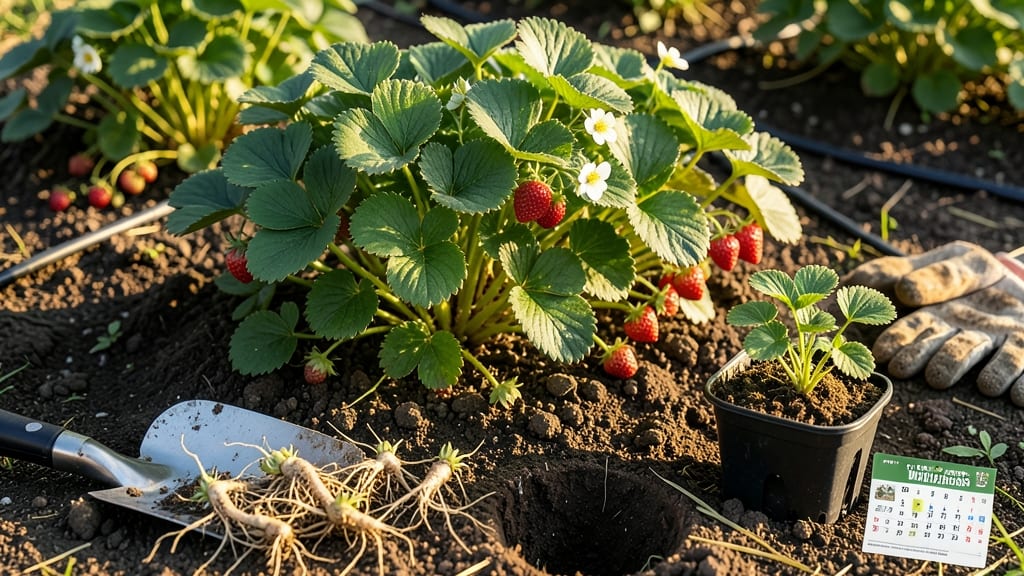
Planting strawberries in Michigan isn’t just about the calendar—it’s about outsmarting frost, soil temperature, and the Great Lakes’ unpredictable whims. If you’ve ever watched your 🍓 plants wilt under a late spring freeze or struggled to coax berries from fall-planted crowns, you know timing is everything.
Michigan’s USDA zones 5-6 give you two clear windows: spring (April–May) when soil warms to 40°F, or fall (late July–August) to establish roots before winter. But here’s the catch—northern Michigan’s chill lingers longer, while southern regions can push boundaries with cold-hardy varieties like ‘Honeoye’ or ‘Jewel.’
I’ll break down the exact planting dates for your microclimate, whether to choose bare-root or potted plants, and how to stretch your season with simple tricks. No more guessing—just proven strategies to turn your garden into a berry bonanza.
Ready to skip the trial-and-error? Let’s get those strawberries in the ground when they’ll thrive, not just survive.
Michigan strawberry planting zones: best months by hardiness region
Michigan’s USDA hardiness zones 4-6 create unique challenges for strawberry growers. The last spring frost typically arrives between April 15 (southern Michigan) and May 1 (northern Michigan), while the first fall frost hits around mid-October.
These dates define your planting windows—but the best time depends on whether you’re growing June-bearing or everbearing varieties.
For June-bearing strawberries, the ideal planting window is late April to early May in most of Michigan, allowing roots to establish before summer heat. Everbearing varieties, however, can handle a fall planting in July-August for a second harvest the following spring.
The key is avoiding frost damage while maximizing the plant’s ability to root before dormancy.
Northern Michigan (Zone 4) gardeners should wait until after May 10 for spring planting, while southern Michigan (Zone 6) can start as early as late March in protected microclimates. Use frost-free date calculators (like the National Weather Service) to refine your timeline—just plug in your zip code for precise local data.
Here’s how Michigan’s three main hardiness zones break down for strawberry planting:
If you’re planting in early spring and face an unexpected frost, use row covers or black plastic mulch to protect young plants.
For fall plantings, aim to get strawberries in the ground 6-8 weeks before first frost—this gives roots time to establish before winter dormancy. Everbearing varieties like Seascape are more forgiving for fall plantings because they produce fruit in both spring and fall.
Pro tip: Soil temperature matters more than air temperature. Strawberries need soil that’s at least 40°F (4°C) for roots to thrive.
Use a soil thermometer to check—if it’s colder, wait a few days or use straw mulch to insulate the soil. Northern Michigan gardeners often plant in raised beds to warm soil faster and avoid soggy, cold ground.
Adjust your timeline if you’re in a microclimate, like a south-facing slope or urban heat island. These areas can be 2-3 weeks earlier for spring planting. Conversely, low-lying areas or valleys may experience frost 1-2 weeks later—monitor local weather alerts to stay ahead of late-season frosts.
For bare-root strawberries, soak roots in lukewarm water for 1 hour before planting to rehydrate them. If you’re using potted plants, transplant them on a cloudy day to reduce transplant shock.
Both methods work in Michigan, but bare-root plants are often cheaper and establish faster in cool spring soils.
Remember: First-year strawberries focus on root growth, so don’t expect a big harvest. June-bearing varieties will produce 80% of their yield in June, while everbearing types give you two smaller harvests—spring and fall. Plan accordingly to avoid disappointment!
Microclimate hacks: extending Michigan’s strawberry growing season
Michigan’s cool, variable climate can challenge strawberry growers, but smart microclimate strategies help you plant earlier or later without risking frost damage. By leveraging heat retention and wind protection, you can push your planting window by 2-4 weeks—critical for getting a head start on harvests.
One of my favorite tricks is using black plastic mulch in spring. It warms the soil 5-10°F faster than bare earth, letting you plant 2-3 weeks earlier in USDA Zone 5 areas.
For fall plantings, straw mulch insulates roots, protecting them from early frosts and extending the season until late October.
Row covers (floating fabric tunnels) are another game-changer. They raise soil temperatures by 3-5°F and shield plants from late spring frosts. I’ve used them to plant June-bearing varieties in early April—weeks before the last frost—with no losses. Just remove covers once flowers appear to prevent overheating.
- Low-lying areas collect cold air—plant on slopes or hills instead.
- North-facing beds stay colder longer; choose south or west exposures.
- Open fields with no windbreaks invite frost pockets—use fences or hedges.
For urban gardeners, heat islands (paved areas) can actually work to your advantage. Plant strawberries near buildings or driveways where heat radiates at night, delaying frost formation.
In rural areas, cold frames (low tunnels with clear plastic) let you plant 6-8 weeks before the last frost date—perfect for everbearing varieties that need an early start.
Timing is also about plant type. June-bearing strawberries (like 'Honeoye') need cold stratification, so fall plantings benefit from winter chilling. Meanwhile, day-neutral varieties (like 'Seascape') tolerate warmer soils and can handle later spring plantings without sacrificing yield.
Pro tip: Monitor your local microclimate with a minimum thermometer. Place it near your planting site to track overnight lows. If temperatures dip below 28°F, cover plants with row fabric or straw mulch—this can save your crop during unexpected late frosts.