
Plants
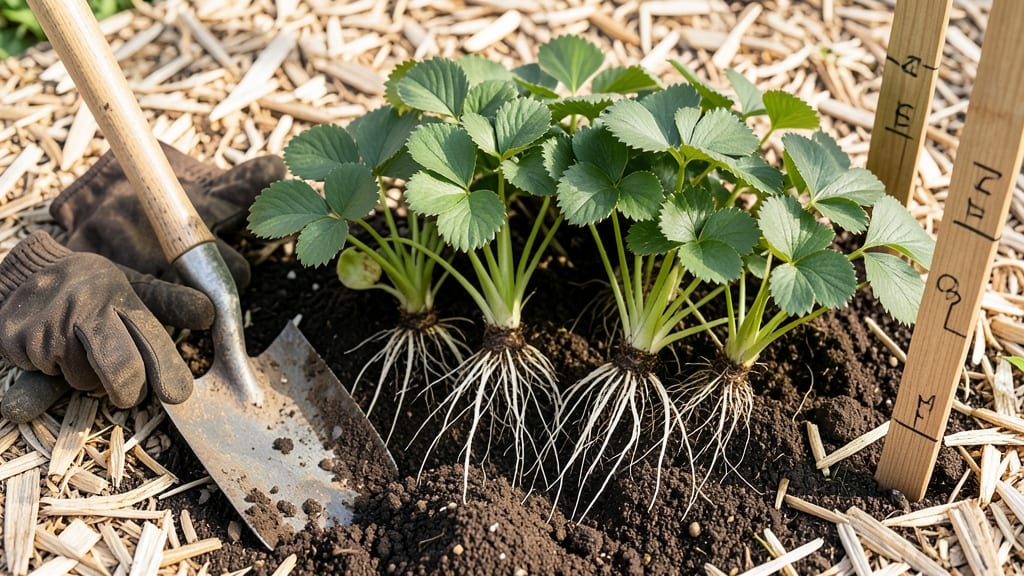
Timing your bare root strawberry planting in Zone 8 isn’t just about avoiding frost—it’s about matching their hidden chill-hour needs to your local microclimate.
Plant too early, and your 🍓 plants might bolt before winter’s chill sets in; too late, and you’ll miss the sweet June harvest you’ve been dreaming of.
Most gardeners in Zone 8 assume fall planting is the only option, but the truth is more nuanced. Your strawberries need 300-1,000+ chill hours to fruit properly, and whether you’re in coastal Southern California or inland, your exact window depends on when those hours arrive.
In this guide, I’ll break down the exact planting windows for June-bearing, everbearing, and day-neutral varieties—plus how to adjust for early/late winters or El Niño patterns. You’ll learn how to calculate your perfect date using local data, so you’re not guessing whether December or February is your best bet.
Ready to turn your strawberry patch into a June harvest goldmine? Let’s get your 🍓 roots in the ground at the precise moment they’ll thrive—no more wasted seasons or half-hearted attempts.
Optimal planting windows for bare root strawberries in Zone 8 by chill-hour requirements
Bare root strawberries thrive in Zone 8 when planted during their dormant period, which aligns with chill-hour accumulation. Most varieties need 300-1,000+ hours below 45°F (7°C) to break dormancy.
In Zone 8, this typically falls between October and February, but exact timing depends on your microclimate (coastal vs. inland).
June-bearing strawberries, like Seascape or Chandler, require the most chill hours (700-1,000+), making them ideal for Zone 8’s cooler inland areas.
Everbearing varieties (300-500 hours, e.g., Albion) adapt better to milder coastal climates, while day-neutral types (100-300 hours, e.g., Tristar) tolerate warmer winters.
Your planting window hinges on local chill-hour data. For example, Los Angeles coastal areas may accumulate 300 chill hours by December, while inland Riverside could hit 700+ hours by January.
Planting too early risks premature growth and bolt (flowering without fruit), while waiting too long may delay spring harvests.
Here’s how to match your strawberry variety to Zone 8’s planting windows:
| Variety Type | Chill-Hour Needs | Zone 8 Planting Window | Best For | Harvest Time |
|---|---|---|---|---|
| June-Bearing | 700-1,000+ hours | Late Oct - Mid Jan (inland) | Inland Zone 8 | April-June |
| Everbearing | 300-500 hours | Mid Nov - Early Feb (coastal) | Coastal Zone 8 | March-Sept (2 crops) |
| Day-Neutral | 100-300 hours | Dec-Feb (anywhere) | Urban/Warmer Microclimates | March-Oct (continuous) |
For inland Zone 8 (e.g., San Bernardino), aim to plant June-bearing varieties by November to ensure they’ve accumulated enough chill hours by late winter. Coastal gardeners in Santa Barbara can push planting to January for everbearing types, thanks to milder winters.
Pro tip: Use black plastic mulch in late winter to warm soil and jumpstart growth after planting. This is especially useful for day-neutral varieties planted in February, helping them avoid spring heat stress.
If you’re unsure about your local chill hours, check the USDA Plant Hardiness Zone Map or your local Cooperative Extension office for microclimate data. For example, Palm Springs may only hit 200 chill hours, making day-neutral varieties your best bet.
Remember: Bare root strawberries should be planted when dormant but not frozen. Soak roots in lukewarm water for 30 minutes before planting to reduce transplant shock. This step is critical for Zone 8’s dry winters.
Once planted, protect young berries from winter pests like slugs with diatomaceous earth or copper tape. Mulch with straw (not wood chips) to retain moisture and regulate soil temperature.
Your goal is to have healthy roots established by spring, so they’re ready to fruit by June. With the right timing, you’ll enjoy sweet, juicy strawberries just in time for summer desserts! 🍓
Pro tips for June planting success: soil prep, mulching, and post-planting care
If you’re planting bare root strawberries in Zone 8 for a June harvest, timing is critical—but so is soil preparation. Strawberries thrive in well-draining, slightly acidic soil (pH 5.5-6.8). Before planting, amend your soil with compost or aged manure to improve fertility and structure.
A soil test can reveal if your garden needs lime (to raise pH) or sulfur (to lower it).
For late-season planting, focus on warming the soil to help roots establish faster. Lay down black plastic mulch 2-3 weeks before planting to absorb sunlight and raise soil temperatures.
Remove it just before planting to avoid overheating the crowns. This trick is especially useful in cooler coastal Zone 8 areas like San Diego or Santa Barbara.
Once planted, mulching is non-negotiable for Zone 8 strawberries. Use straw or pine needles (not wood chips, which can compact) to retain moisture, suppress weeds, and protect berries from soil-borne diseases. Apply a 3-4 inch layer around plants, keeping it 2 inches away from the crown to prevent rot.
Watering strategies change dramatically in Zone 8’s summer heat. After planting, water deeply every 2-3 days—enough to moisten 6 inches of soil. Use drip irrigation or soaker hoses to deliver water at the base, avoiding wetting foliage (which invites fungal diseases like gray mold).
Early morning watering (before 8 AM) minimizes evaporation and reduces pest activity.
To boost early fruit set, feed strawberries with a balanced fertilizer (10-10-10) 4-6 weeks after planting. Apply 1 tablespoon per plant and water thoroughly to prevent root burn.
For organic growers, try fish emulsion or compost tea for a gentle nutrient boost. Avoid high-nitrogen fertilizers—they promote leafy growth at the expense of fruit production.
Finally, protect your strawberries from Zone 8’s summer pests. Slugs and snails thrive in the heat, while birds may eye your ripe berries. Use diatomaceous earth around plants for slugs, and install bird netting once fruit begins to form.
Regularly inspect leaves for signs of spider mites or aphids—a strong spray of water can dislodge early infestations.