
Plants
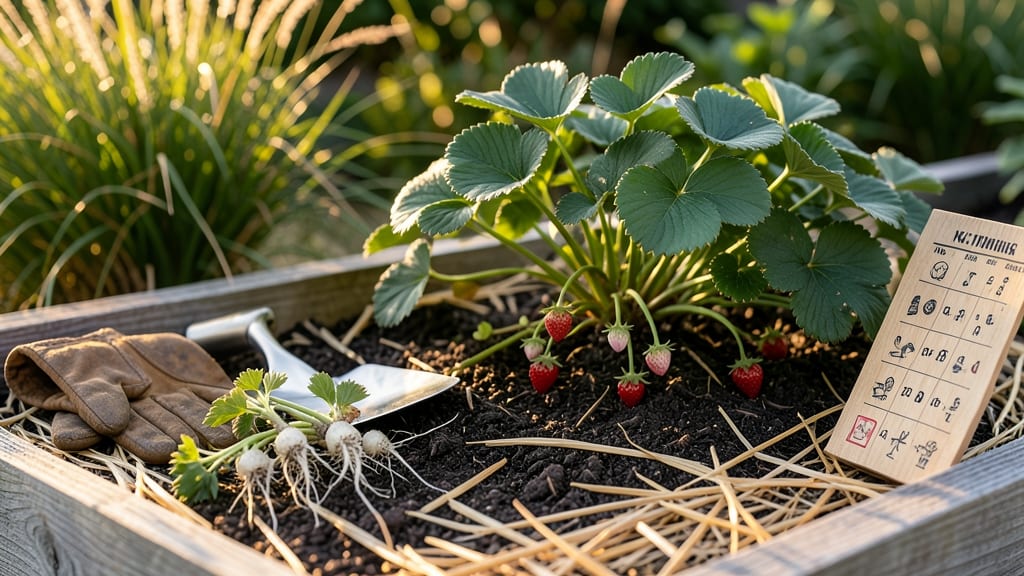
Planting strawberries in North Carolina feels like solving a puzzle—get the timing wrong, and frost or heat can ruin your harvest before it even begins.
Whether you're in the cool mountain air of the Appalachians or the warmer Coastal Plain, knowing the exact window for planting 🍓 strawberries makes all the difference between a thriving patch and a failed experiment.
I’ve learned the hard way that one size doesn’t fit all when it comes to North Carolina’s climate zones. The Piedmont’s mild winters and the Coastal Plain’s longer growing season demand different strategies, while mountain growers face earlier frosts that can catch even the most eager gardeners off guard.
The key? Planting at the right moment—when soil temperatures rise and the risk of frost fades—so your strawberries take root strong and start producing sweet berries by summer.
In this guide, I’ll break down the optimal planting months for each region, from the Mountains to the coast, and share the secrets to preparing your soil for success.
Whether you’re working with bare-root plants or potted varieties like the popular 'Chandler' or 'Seascape', you’ll discover how to time your planting for the best possible start—and avoid the common mistakes that leave strawberries struggling to thrive.
Ready to turn your garden into a strawberry paradise? Let’s dive into the exact dates and tips you need to make this your most successful planting season yet.
North Carolina strawberry planting zones: exact start dates by region
North Carolina’s 7 USDA hardiness zones (5b–8a) create wildly different strawberry planting windows. In the cool mountain regions (zones 5b–6a), like the Blue Ridge, you’ll plant earlier to beat spring frosts, while coastal areas (zones 7b–8a) near Wilmington can start months later.
Even within zones, microclimates matter—urban heat islands or frost pockets can shift your ideal dates by weeks.
For most NC gardeners, spring planting (March–April) is the gold standard, but fall plantings work in warmer zones. The key? Soil temperature—strawberries need soil at 45°F–55°F for roots to establish.
Use a soil thermometer to check before planting. In my Piedmont garden (zone 7a), I’ve learned that waiting until mid-March instead of February saves my plants from late frosts.
Here’s your region-by-region breakdown of exact planting windows, including adjustments for elevated areas, urban heat, and coastal warmth. Bookmark this—your strawberry timing depends on it!
In zone 5b–6a (mountains), like Western NC, I’ve seen gardeners rush to plant in February only to lose their strawberries to 30°F nights. Instead, wait until soil temperatures consistently stay above 45°F—usually late March.
For bare-root plants, soak roots overnight before planting to reduce transplant shock. In my zone 6b garden, I’ve had success with ‘Chandler’ strawberries planted in early April, yielding berries by June.
Coastal gardeners in zone 8a face opposite challenges: heat stress and humidity. Planting in mid-April gives berries time to establish before summer’s intensity. I recommend ‘Seascape’ strawberries for these areas—they tolerate heat better than other varieties.
If you’re in New Bern or Beaufort, consider fall planting in October to avoid summer’s oppressive heat.
Microclimates can shift your planting by 2–4 weeks. A frost pocket in the mountains might need a 2-week delay, while a sunny urban patio in Raleigh could support an earlier planting. Test your microclimate by placing a min/max thermometer in your garden for a month before planting.
I once planted too early in a frost-prone valley and lost half my bed—now I adjust based on real data.
For potted strawberries, timing is slightly more flexible. You can plant 2 weeks earlier or later than bare-root, as containers warm up faster. However, root-bound plants struggle in cool soil, so prioritize well-draining pots and black plastic mulch to speed up soil warming.
In zone 7a, I’ve had luck with ‘Jewel’ strawberries in pots, planted in early April under floating row covers for extra protection.
Pro tip: Use straw mulch (not hay) to insulate roots and retain moisture. In my dry Piedmont garden, a 4-inch layer of straw keeps soil temperatures stable and reduces watering by 30%.
Pair this with drip irrigation to avoid fungal diseases from overhead watering. If you’re in a high-humidity zone, space plants 18 inches apart for airflow.
Finally, don’t forget local frost forecasts. Check the NC State Climate Office or your Cooperative Extension for last-frost-date maps. In Asheville (zone 6b), the average last frost is April 15, but I’ve seen it creep into May in some years.
When in doubt, plant a few weeks late—your strawberries will thank you with a bigger harvest.
With these region-specific dates and microclimate tweaks, you’ll nail your strawberry planting every time. Soon, you’ll be the
How to extend your strawberry season: cold-hardy varieties and seasonal tricks
North Carolina’s strawberry season doesn’t have to be short-lived. With the right cold-hardy varieties and seasonal tricks, you can enjoy berries from early spring to late fall.
The secret lies in choosing varieties that thrive in your microclimate and using protective techniques to shield them from late frosts or summer heat. I’ve found that 'Chandler', 'Jewel', and 'Seascape' are among the best for NC gardens, each with unique strengths depending on when you plant.
For early spring harvests, focus on June-bearing varieties like 'Chandler,' which ripens in May-June. These need to be planted in late summer or early fall to establish roots before winter.
Meanwhile, everbearing types like 'Jewel' produce two harvests—one in spring and another in fall—making them perfect for succession planting. The key is matching your variety to your planting window and using seasonal extensions like mulch or row covers to protect tender plants.
Here’s how these top NC-adapted varieties compare for timing and care:
One of my favorite tricks for extending the season is using mulch. A thick layer of straw or pine needles insulates roots in winter and keeps soil cool in summer. I’ve seen this double harvest times for everbearing varieties like 'Jewel' by protecting them from late spring frosts.
For high-heat zones like the Coastal Plain, shade cloth can prevent berries from cooking in the sun, while drip irrigation keeps roots consistently moist.
Another game-changer is succession planting. By staggering plantings every 2-3 weeks in early spring, you can ensure a continuous harvest from June through September. For example, plant 'Chandler' in August for a May harvest, then follow with 'Seascape' in February for summer-fall berries.
This method works especially well in USDA Zone 7b and warmer, where winters are mild enough for early starts.
Don’t overlook row covers as a simple way to protect tender plants. A lightweight frost blanket can raise soil temperatures by 5-8°F, giving your strawberries a head start in early spring.
I’ve used these to extend the growing season by 3-4 weeks in the Piedmont region, where frosts can linger into April. Pair this with daily watering during dry spells, and you’ll maximize your yield without stressing the plants.
With these cold-hardy varieties and seasonal tricks, your strawberry season can stretch from spring blooms to fall harvests. The key is planning ahead—choose your varieties, prep your soil, and use protective measures to shield your plants from extreme weather.
Before you know it, you’ll be enjoying homegrown strawberries for months, not weeks! 🍓