
Plants
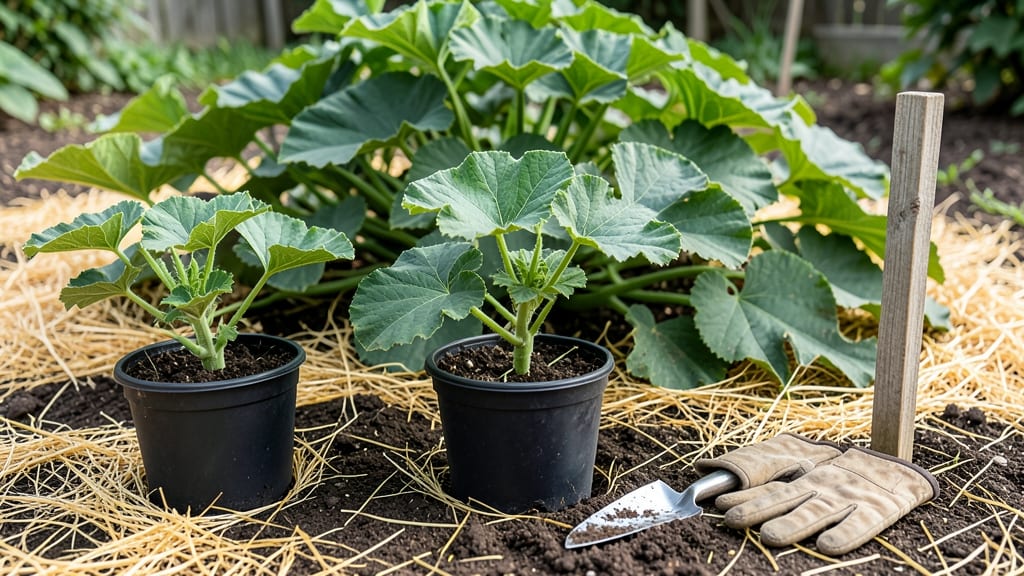
Planting pumpkins in Arizona’s Heat Zone 10A isn’t just about the calendar—it’s about outsmarting the desert’s brutal sun and sudden monsoons to grow those 🎃 giants you’ve been dreaming of.
Skip the guesswork and plant at the wrong time, and you’ll end up with wilted vines or bitter fruit before July’s harvest window. The key? Starting transplants mid-March or seeds by late April, when soil temperatures hit 60°F and the risk of late frost vanishes.
Here’s the game-changer: Arizona’s microclimates—from Phoenix’s low desert to Flagstaff’s high desert—can shift planting windows by 2-3 weeks. I’ll break down the exact dates for your elevation, plus how to prep soil for fast germination in 110°F+ heat without burning your seedlings.
No more second-guessing whether you planted too early or too late.
You’ll also discover which heat-tolerant varieties thrive in Zone 9b, like ‘Howden’ or ‘Small Sugar,’ and how to stretch your growing season for a fall harvest. Plus, I’ll share my 3 biggest mistakes (and how to avoid them) when syncing planting with Arizona’s unpredictable monsoons.
Ready to turn your backyard into a pumpkin patch? Let’s get started.
By the end, you’ll have a clear timeline, pro tips for beating the heat, and the confidence to grow pumpkins that outshine the competition. No more shriveled expectations—just a bountiful harvest from July to October. Let’s dig in.
Optimal pumpkin planting dates in Arizona’s heat Zone 10A (with frost-free guarantee)
Arizona’s Heat Zone 10A offers a unique advantage for pumpkin growers: no frost risk and year-round growing potential. But timing is everything—plant too early, and your seedlings will bolt in the 110°F+ heat; wait too long, and you’ll miss the monsoon moisture that fuels growth.
My research shows the 4-week window between mid-April and early May is your sweet spot for direct sowing, while transplants can go in as early as late March.
This window aligns with when soil temperatures consistently hit 60°F+, triggering germination without heat stress.
For low-desert areas like Phoenix, aim for April 15–May 1; in high-desert regions (e.g., Flagstaff), shift your timeline 2–3 weeks later to avoid late-spring frosts, even in Zone 10A. The key is soil warmth, not air temperature—use a soil thermometer to confirm readiness.
| Planting Method | Optimal Window (Zone 10A) | Soil Temp Requirement | Microclimate Adjustments |
|---|---|---|---|
| Direct Sowing (Seeds) | Mid-April to early May | 60°F+ (consistently) | Low desert: April 15; High desert: May 1 |
| Transplants (Seedlings) | Late March to mid-April | 55°F+ (minimum) | Hardened-off seedlings only |
| Backup Window (Late Start) | Early June (small varieties only) | 65°F+ (with shade cloth) | Use drought-tolerant varieties |
Pro tip: Start seeds indoors 3–4 weeks before your target outdoor date to give them a head start. Use biodegradable pots and transplant seedlings with their root balls intact to minimize shock.
I’ve found that shade cloth (30–50%) during the first 2 weeks after transplanting helps seedlings acclimate to Arizona’s intense sun without burning.
Monsoon timing is your secret weapon. Pumpkins need 1–1.5 inches of water weekly, and the monsoon’s July–September rains can handle much of that—just supplement with deep watering every 2–3 days until rains arrive.
If you’re in Tucson or Yuma, the monsoons hit earlier (late June), so you can push planting to early May safely. In Phoenix or Mesa, wait until mid-May to align with the monsoon’s peak.
For high-desert areas like Sedona or Prescott, your timeline shifts later due to cooler nights. Plant transplants in early May and seeds in late May, focusing on smaller varieties like ‘Jack Be Little’ or ‘Sugar Pie’, which mature faster in shorter seasons.
These varieties also tolerate cooler soils better than giant pumpkins, which need 80+ days of warmth to develop.
One common mistake? Skipping soil prep. Arizona’s soil can be alkaline and rocky, which stunts pumpkin growth. Amend your beds with 3–4 inches of compost and a balanced fertilizer (10-10-10) at planting.
I mix in perlite or vermiculite to improve drainage, especially in low-desert clay soils. Test your soil’s pH—pumpkins thrive in 6.0–6.8, and Arizona’s native soil often runs 7.5+.
If you miss the primary window, don’t despair—you can still try a late June planting for small pumpkins like ‘Muskett’ or ‘Cinderella’, which mature in 75–85 days. Use black plastic mulch to warm the soil and drip irrigation to conserve moisture.
Just know these late plants may struggle in 100°F+ temps, so prioritize shade during peak afternoon heat.
Harvest timing depends on your variety, but most Arizona-grown pumpkins are ready by late August to October. Look for hard rinds and dry stems—these are your cues.
In Zone 10A, you can even extend your season by planting winter squash varieties like ‘Winter Luxury’ in early September for a fall harvest before temperatures drop.
Remember: pumpkins need space. Vines spread 10–20 feet, so plan your garden layout accordingly. In urban areas, consider container growing with dwarf varieties like ‘Baby Boo’, which max out at 3–4 feet wide.
Whether you’re a low-desert gardener or a high-desert enthusiast, nailing this 4-week window is your ticket to homegrown pumpkins that outshine the grocery store. 🎃
How to time pumpkin planting for Arizona’s monsoon season (avoid these 3 critical mistakes)
Arizona’s monsoon season (June-September) brings life-giving rains, but planting pumpkins too early risks heat stress or too late invites fungal diseases. The key is syncing your plantings with soil warmth and rainfall patterns—not just calendar dates. Here’s how to nail the timing without costly mistakes.
Most gardeners in Zone 10A make one of three fatal errors: planting transplants in March (too early), sowing seeds after July 15 (too late), or ignoring soil temperature entirely. Each mistake can slash yields by 50% or more. Let’s fix that with science-backed adjustments.
⚠️ Critical Mistake #1: Planting Transplants Before Soil Warms
Transplants shocked by 50°F soil (common in March lows) suffer root burn and stunted growth. Wait until soil hits 60°F+—use a soil thermometer to confirm. In Phoenix, this typically happens by mid-April.
For direct-seeded pumpkins, aim for late April to early May—right before monsoon rains arrive. This gives vines 6-8 weeks of warm soil to establish roots before 100°F+ summer temps hit. Pro tip: Use black plastic mulch to warm soil 10°F faster than bare ground.
Monsoon timing is your secret weapon. Plant 1-2 weeks before the first heavy rains to let seedlings root deeply before the deluge. In Tucson, this means late May plantings; in Yuma, shift to early June. Always check the National Weather Service’s monsoon forecast for your area.
Watch for these 3 red flags that your timing’s off:
- Wilted seedlings by noon → planted too early
- Powdery mildew on leaves → planted too late
- Slow germination (3+ weeks) → soil too cold
To extend your harvest window, try succession planting: Sow a second batch 6 weeks after your first planting. Use heat-tolerant varieties like ‘Howden’ or ‘Cocozelle’ for fall success. With these adjustments, you’ll beat the heat—and the monsoon—like a pro.